AUTHORMAYA THORNTON

Maya Thornton
Maya Thornton is an independent investigative journalist and science communicator covering history, public health, human rights, and untold cultural stories. She founded The Verified Post in 2026 to bring evidence-backed long-form journalism to a wider audience. Her work draws on archival research, peer-reviewed studies, and primary sources.
Articles by Maya Thornton
33 Stories Published
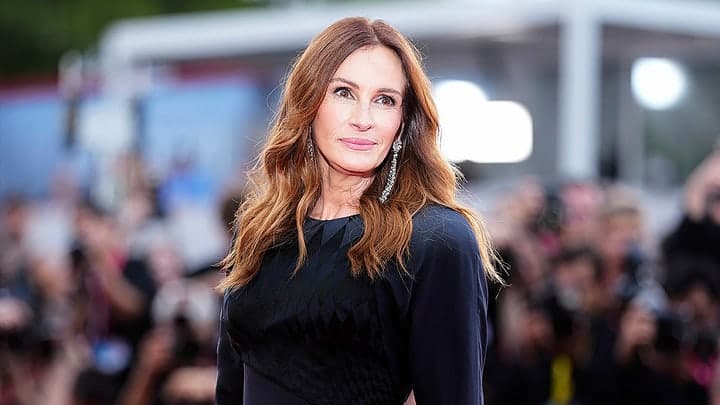
Hollywood Called Her the Next Julia Roberts. She Went Home to Canada Instead
After Mean Girls and The Notebook made her one of the most sought-after actresses on the planet, Rachel McAdams turned down five blockbusters in two years and went home. The films she declined — Iron Man, Casino Royale, The Devil Wears Prada, Mission: Impossible III, and Get Smart — grossed billions. She said she needed to hear her own voice again
By Maya ThorntonApr 28, 2026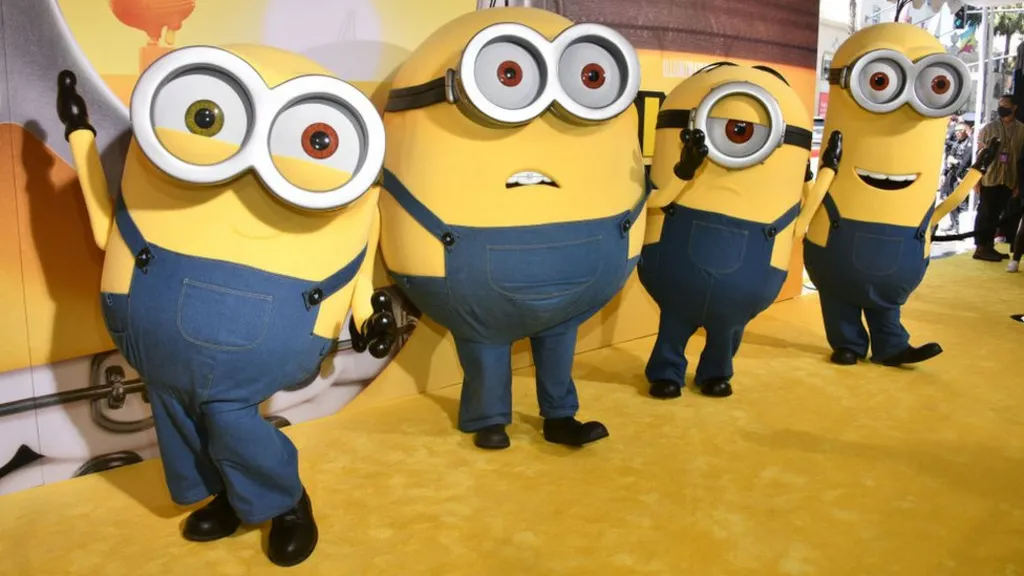
It Started as a Joke in a Lesbian Comic Strip. Then Hollywood Had to Take It Seriously
In 1985, cartoonist Alison Bechdel published a two-page comic strip in which a character stated she would only watch a film if it had at least two women who talked to each other about something other than a man. The last film that had met those requirements, the character noted, was Alien — released six years earlier. Forty years later, that joke is a metric used by Swedish cinemas, European film funds, and Hollywood studios.
By Maya ThorntonApr 27, 2026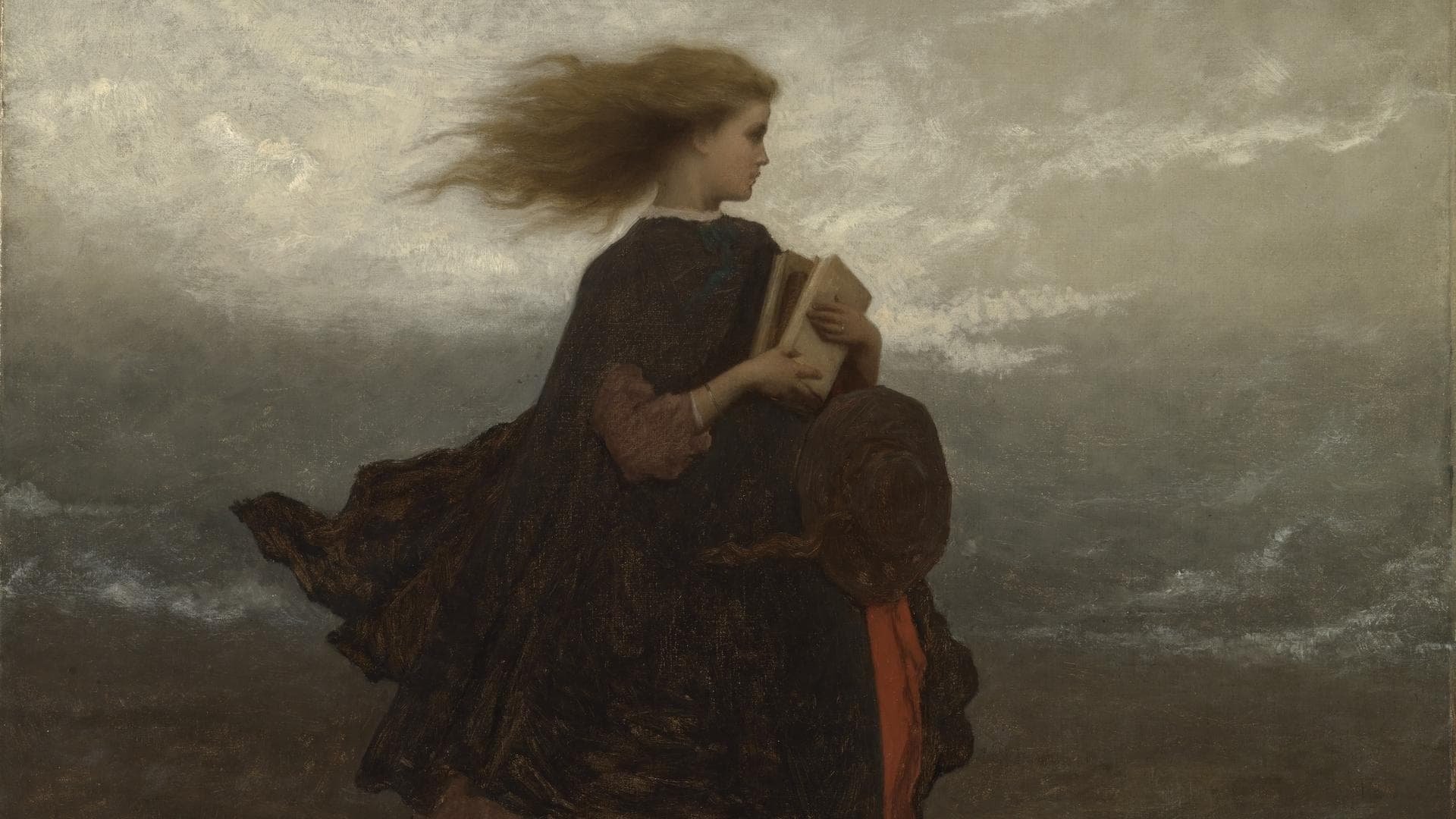
Nostalgia Was Once a Deadly Disease. Here Is Its Strange Medical History.
In 1688 a Swiss medical student named Johannes Hofer noticed that soldiers sent far from their Alpine homes were dying — not from wounds or illness, but from longing. He named the condition nostalgia. For the next two centuries, physicians across Europe and America treated it, recorded it as a cause of death, and argued bitterly about how to cure it.
By Maya ThorntonApr 25, 2026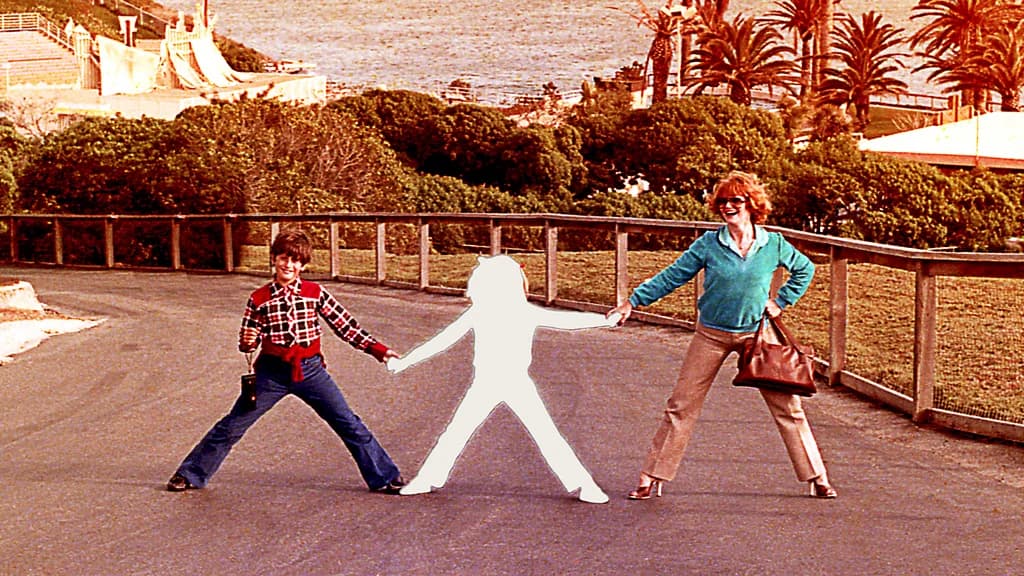
What Decades of Research on Family Estrangement Actually Found
Until about 2015, family estrangement was one of the most common experiences nobody studied. Karl Pillemer at Cornell was stunned to find 27 percent of Americans were currently estranged from a family member. Here is what the research — slowly, carefully assembled across two decades — actually found
By Maya ThorntonApr 23, 2026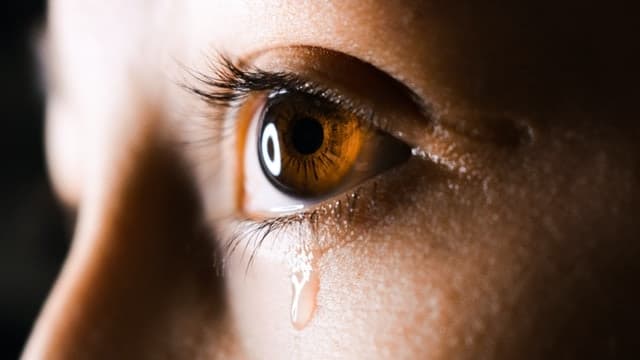
The Real Reason You Feel Better After Crying (It's Not What the Internet Says)
The viral version says your tears contain a painkiller six times stronger than morphine. The actual research — conducted across 35 countries, published in peer-reviewed journals, involving thousands of participants — is more nuanced, more honest, and considerably more interesting.
By Maya ThorntonApr 21, 2026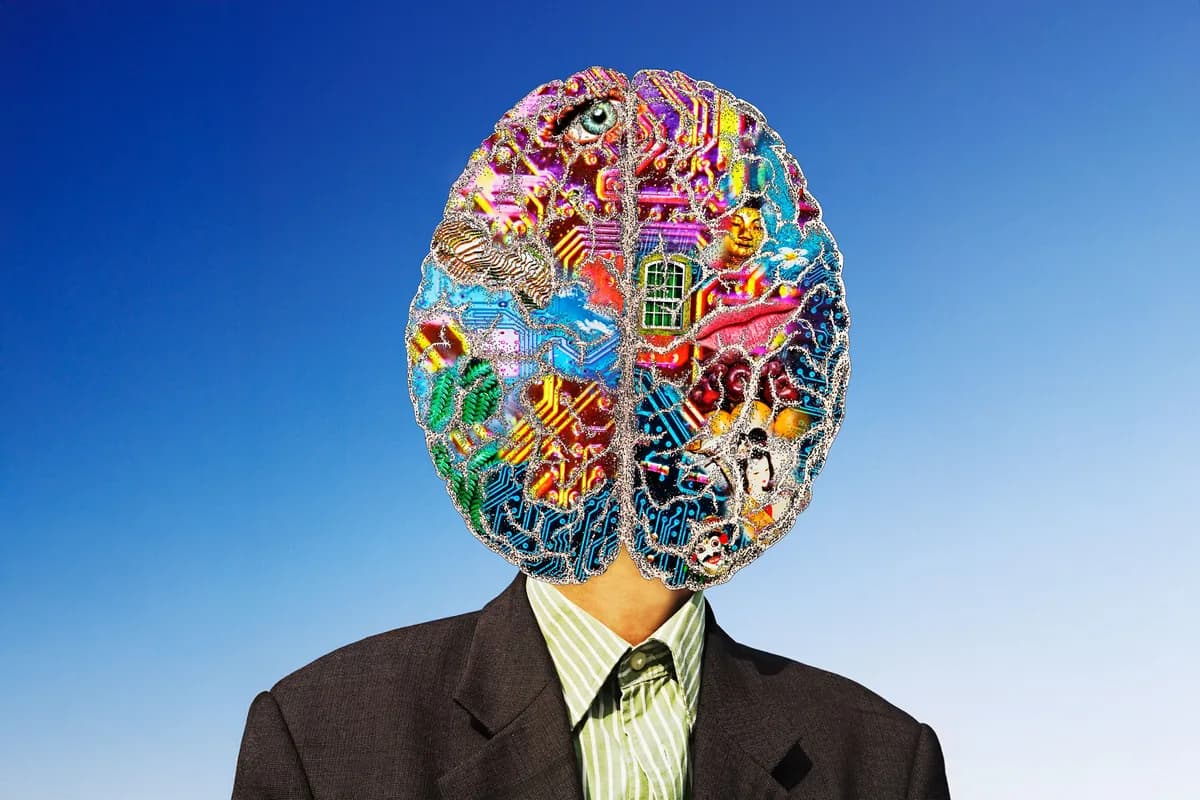
Scientists Actually Mapped Where Emotions Live in the Body. Here's What They Found.
In 2013, a team of Finnish researchers gave 701 people a blank outline of a human body and asked them to colour where they felt each emotion. The results — published in one of the world's most prestigious scientific journals — were consistent across cultures and changed how scientists think about the relationship between the body and the mind
By Maya ThorntonApr 21, 2026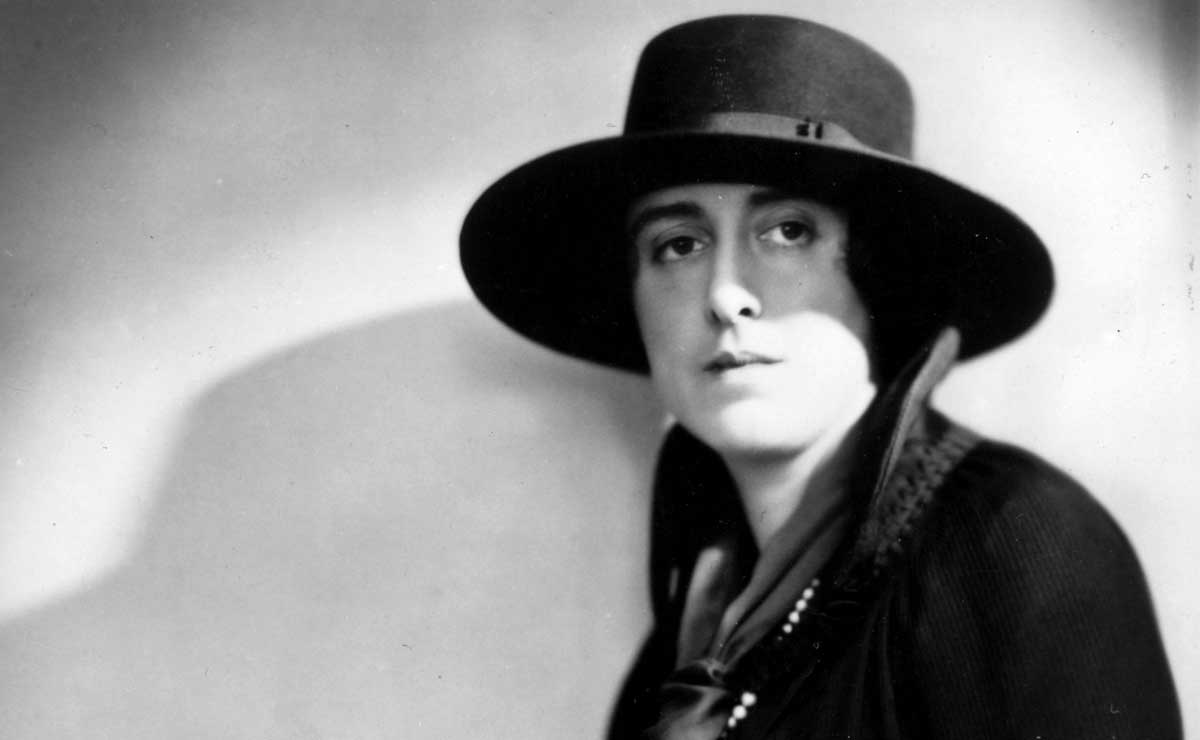
In 1929, Virginia Woolf Stood Up at Cambridge and Said What No One Had Said Before
In October 1928, Virginia Woolf delivered two lectures to the women students of Cambridge University. A year later she published them as a single essay. Ninety-six years on, the argument she made that evening — that literature had been catastrophically impoverished by the doors shut on women — has never been seriously refuted
By Maya ThorntonApr 20, 2026
They Admitted Everything. Here's What Happened Next
Saint Augustine admitted his sins to God and changed Western civilisation. Jean-Jacques Rousseau admitted his failings to the world and invented modern autobiography. Oscar Wilde admitted everything to the man who had destroyed him — and the man burnt the letter without reading it. Confession, it turns out, does not always go as planned
By Maya ThorntonApr 20, 2026
You Would Need Wings the Size of a Bus. The Science of Why Humans Can Never Fly — and What It Reveals About the Most Extraordinary Bodies That Ever Existed.
Scientists have calculated that an average human would need a wingspan of at least 6.7 metres — roughly 22 feet — to generate enough lift to fly. That's the wingspan of a small aircraft. And wings would be the least of your problems.
By Maya ThorntonApr 19, 2026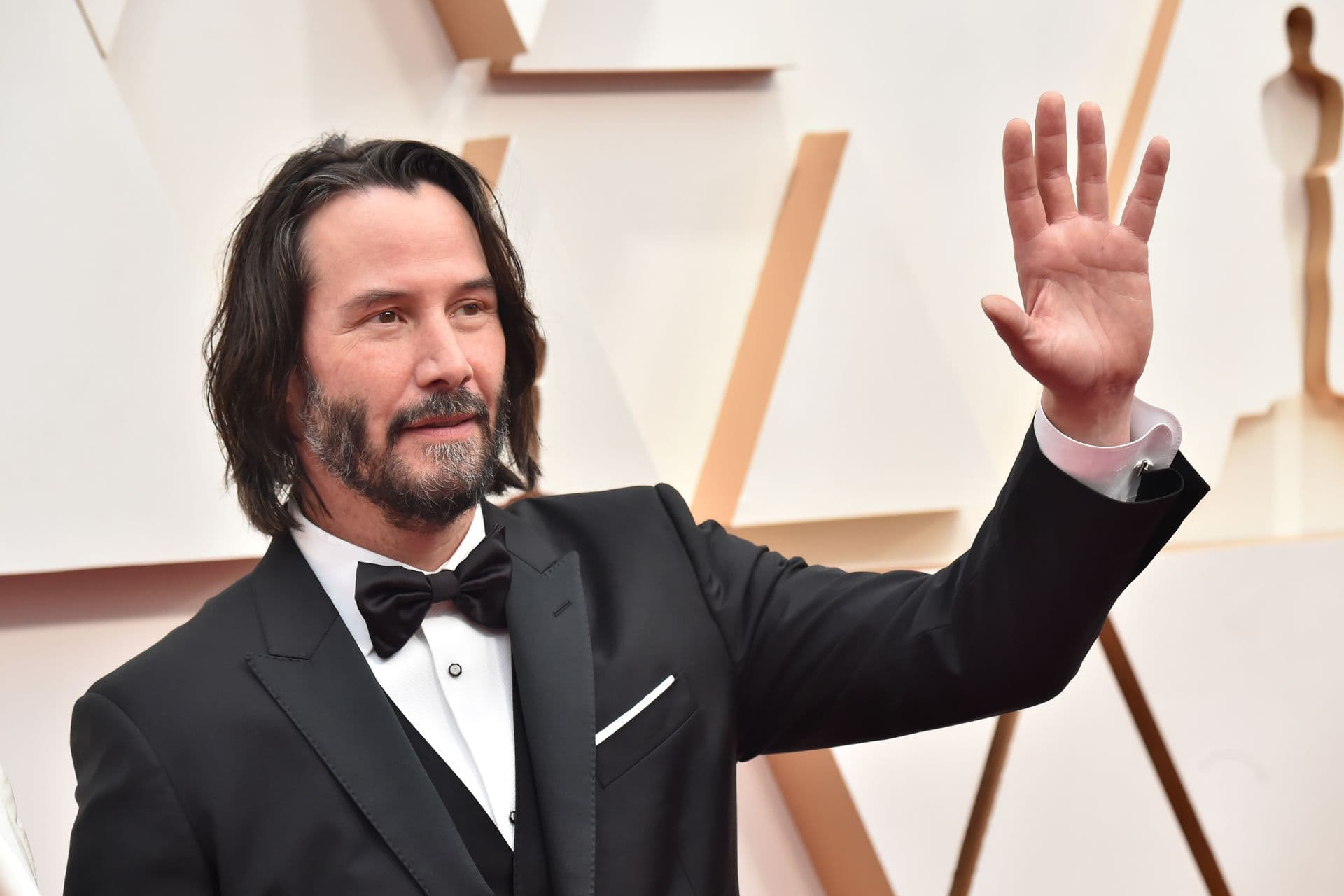
He Never Asked for Credit. That's the Whole Point. The Real Story of Keanu Reeves
The internet has invented a dozen versions of Keanu Reeves — viral stories that are touching but fabricated. The verified truth is more interesting than any of them. And it involves a private foundation he has never put his name on, a house he sold to be closer to his sister, and twelve Harley-Davidsons
By Maya ThorntonApr 19, 2026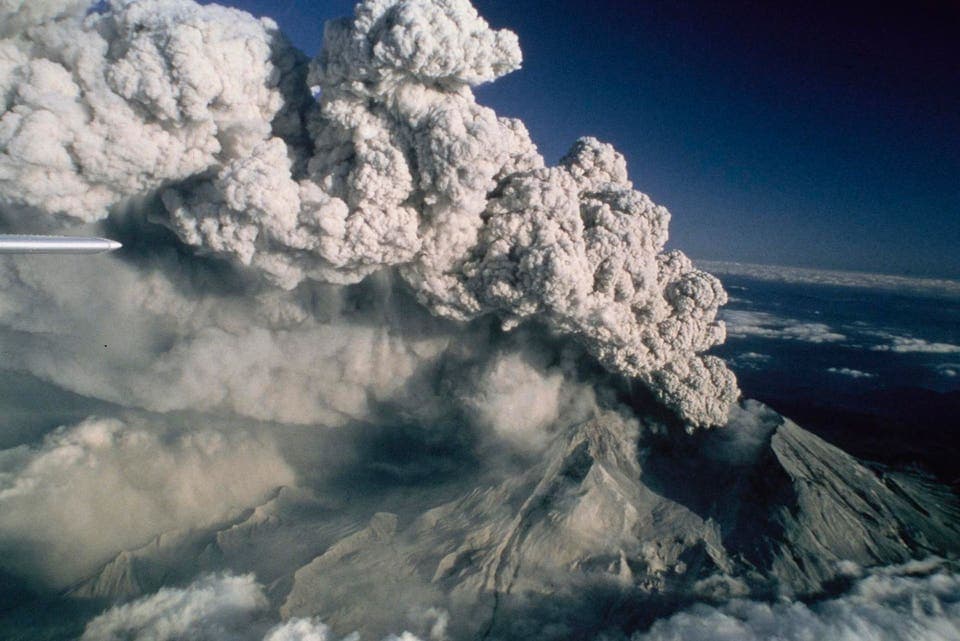
The Science of Why Volcanoes Don't Explode Immediately — and What That Has to Do With Everything That Eventually Does
Mount St. Helens shook for two months and recorded more than 10,000 earthquakes before it exploded. The pressure had been building for 123 years. The science of why volcanoes don't erupt immediately turns out to be one of the most precise explanations in nature for why nothing that eventually breaks does so without warning.
By Maya ThorntonApr 19, 2026
Why the Human Brain Is Wired to Avoid Admitting Mistakes — and What History's Biggest Cover-Ups Reveal About It
In 1957, a psychologist named Leon Festinger proved that human beings will rewrite reality rather than admit they are wrong. History's greatest cover-ups didn't happen because powerful people were uniquely evil. They happened because the human brain was designed to protect itself from a very specific kind of pain
By Maya ThorntonApr 19, 2026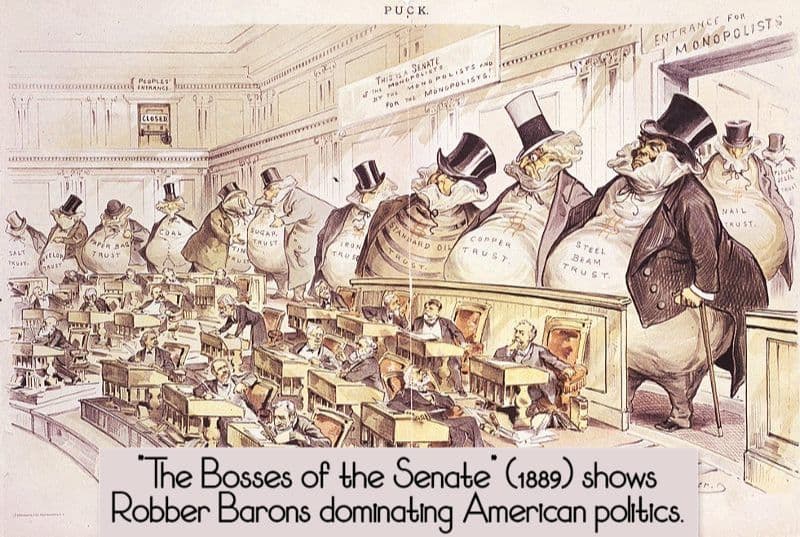
The Man Who Dies Rich Dies Disgraced: The Forgotten History of the Idea That Wealthy People Should Give It All Away
The idea that the rich have an obligation to give away their wealth is not modern. It is not progressive. It is not radical. It is older than Christianity, older than Rome, and it was articulated most bluntly by the richest man in America in 1889, who wrote that dying wealthy was a disgrace.
By Maya ThorntonApr 19, 2026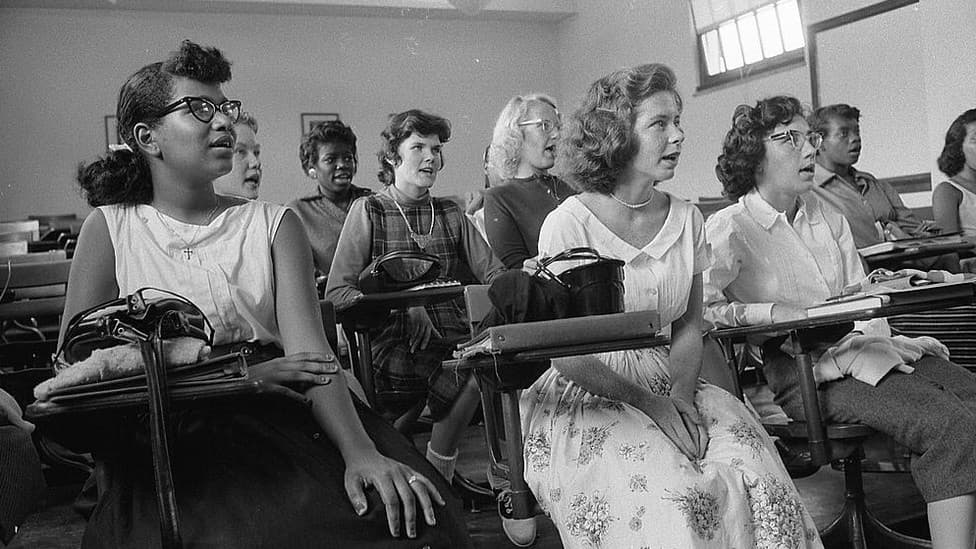
The Acting School in Segregated Atlanta That Said Yes When Everyone Else Said No
In 1960s Atlanta, Walter and Betty Lou Roberts ran the only integrated children's theater in the South. When the Ku Klux Klan blew up a car outside their show, Walter Roberts called intermission and carried on. This is the story that happened before a famous daughter was born.
By Maya ThorntonApr 18, 2026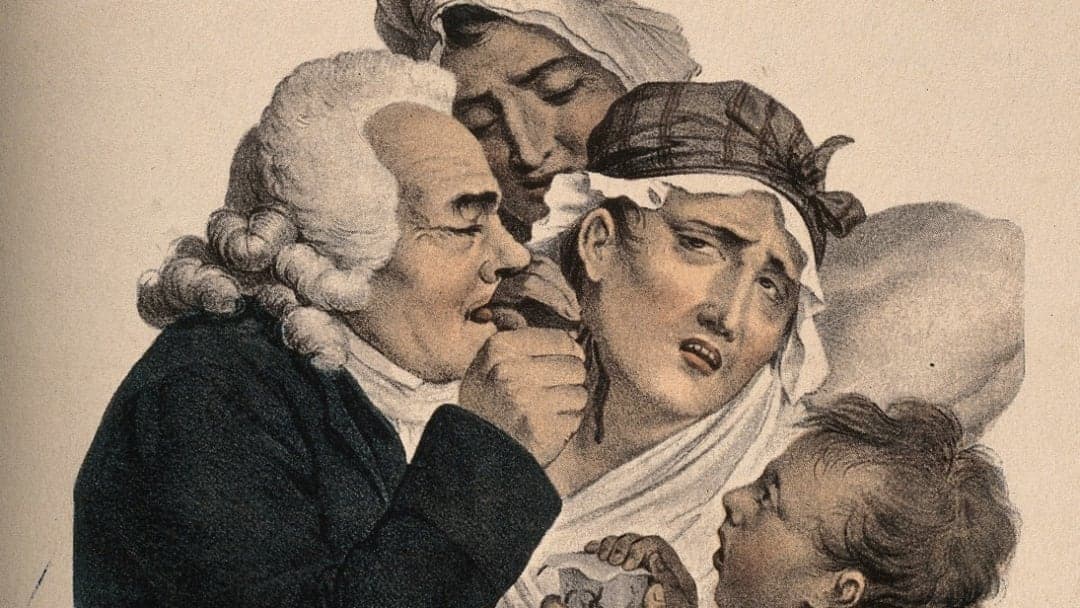
She Went to Bed in 1871 and Didn't Open Her Eyes Again for Nine Years
Ellen Sadler was eleven years old when she fell asleep in a cottage in Turville, England, on a Thursday night in March 1871. Doctors came from across the world. The Prince of Wales visited. People paid for locks of her hair. And still, nobody could explain it.
By Maya ThorntonApr 15, 2026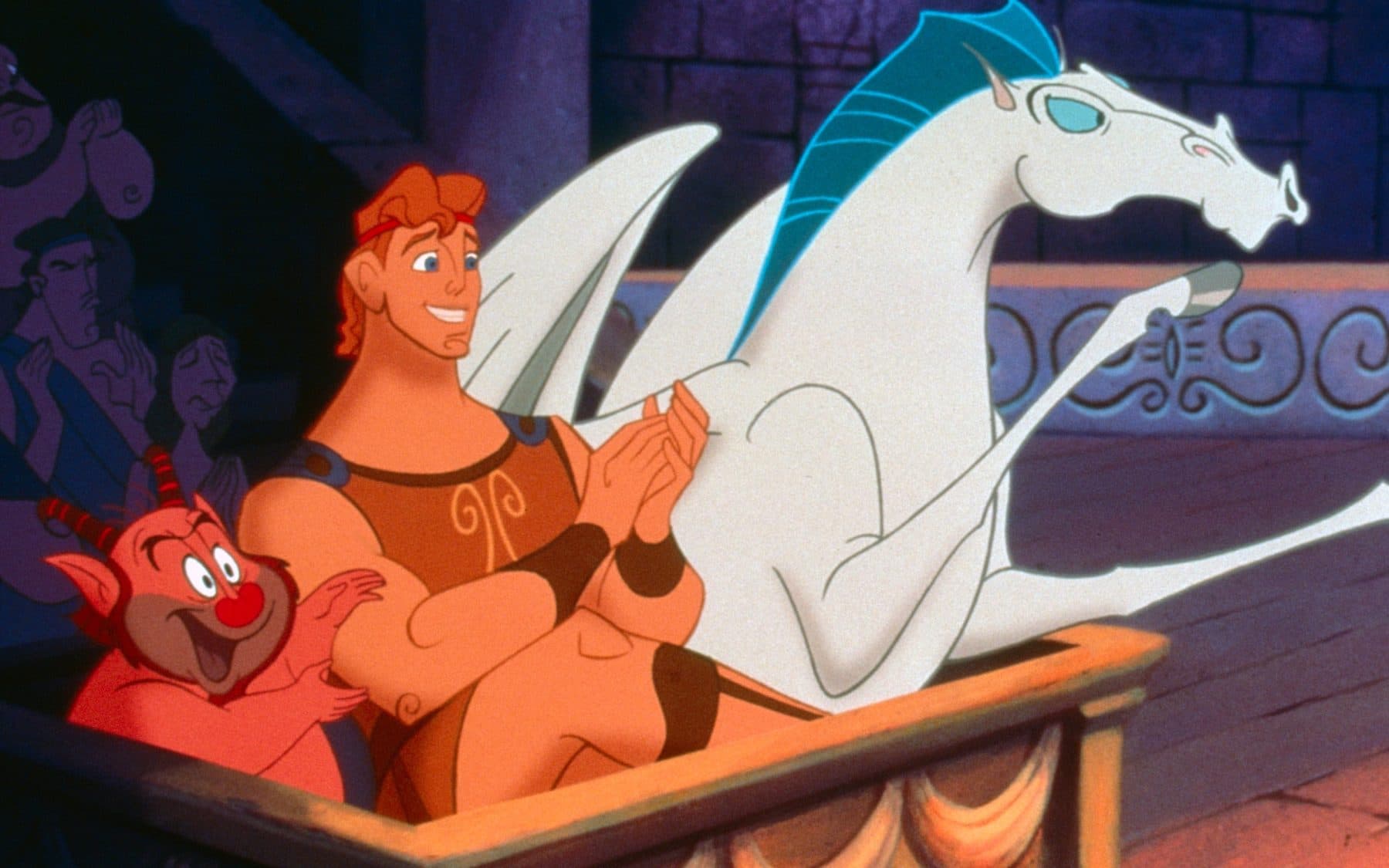
He Could Have. He Didn't. Why Hercules Is Still the Most Quietly Respectful Hero Disney Ever Made.
In 1997, Disney slipped something rare into a summer blockbuster about a demigod. Not strength. Not glory. Just a young man who closed his eyes, pulled a sleeve back up, and gently stepped away. Twenty-seven years later, that detail still matters.
By Maya ThorntonApr 15, 2026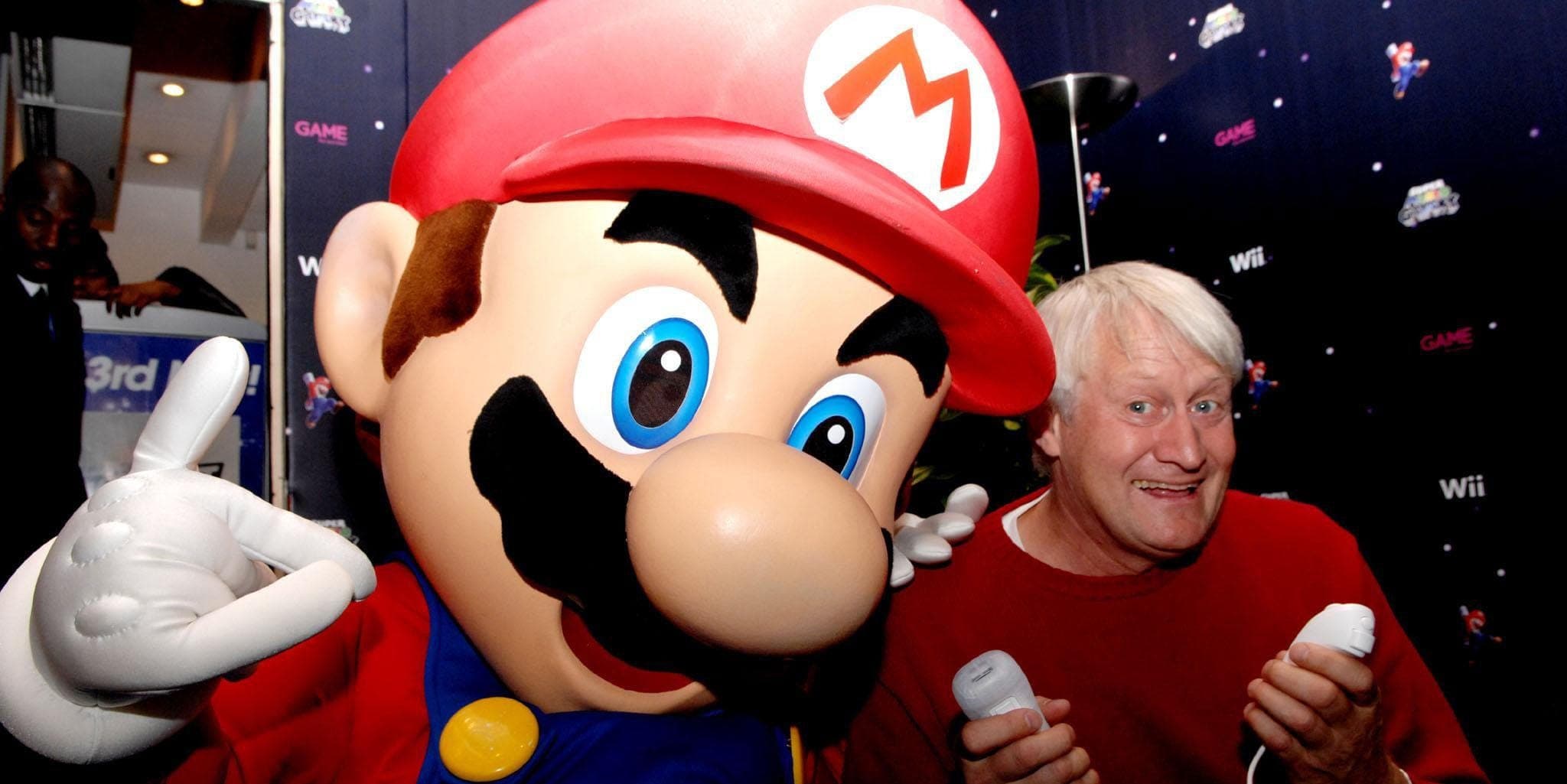
No Saves. No Hints. No Mercy. How the Hardware Limits of the 1990s Accidentally Made the Greatest Games Ever Built.
Shigeru Miyamoto had only kilobytes of memory to build entire worlds. Alexey Pajitnov created Tetris on a computer with less RAM than a modern calculator. The limits weren't obstacles — they were the design. And what they built by accident has never been equalled.
By Maya ThorntonApr 15, 2026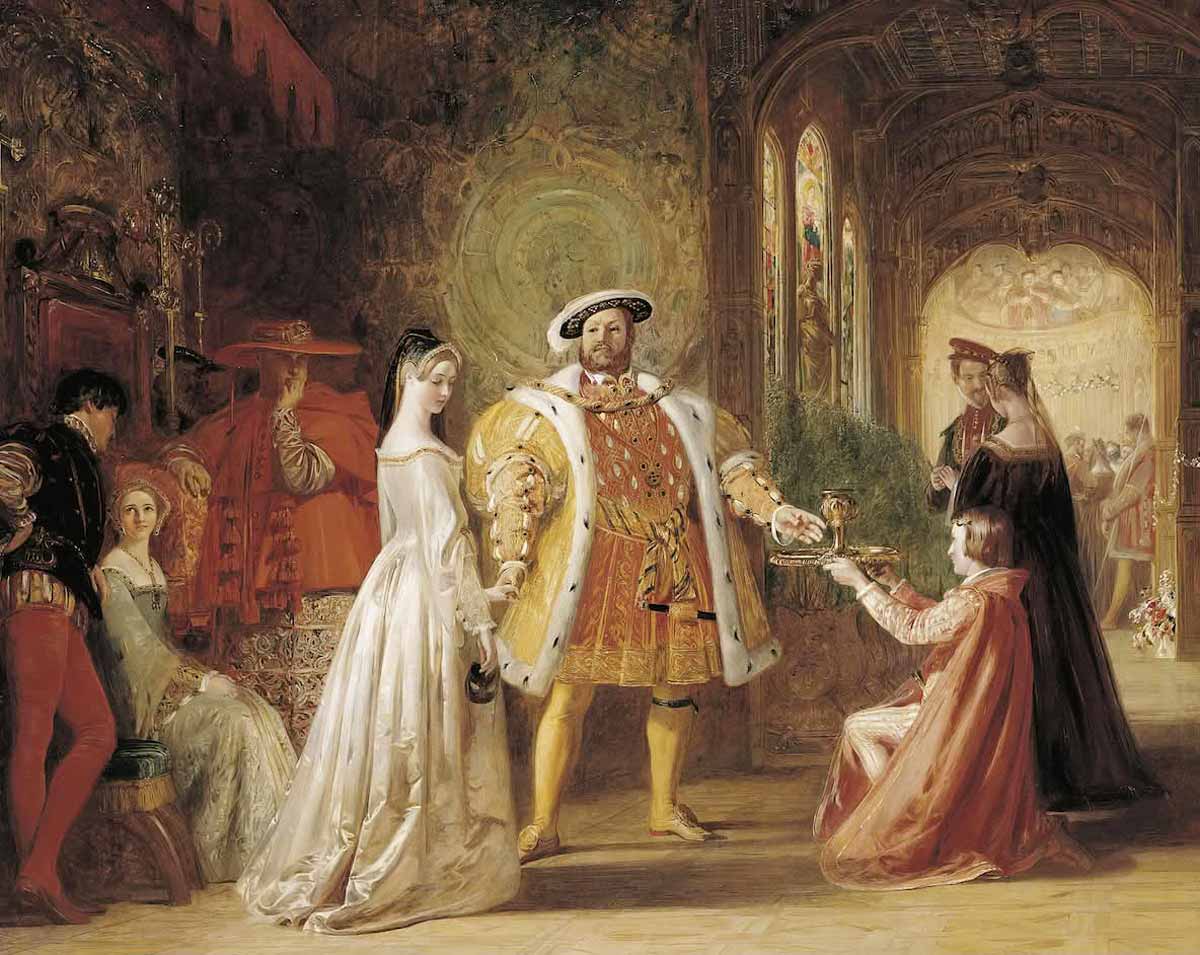
He Defied a Church to Have Her. Three Years Later, He Had Her Killed.
Henry VIII pursued Anne Boleyn for seven years, split from the Catholic Church to marry her, and had her executed three years later. History called it a love story. Psychology calls it something else.
By Maya ThorntonApr 6, 2026
She Was Told Her Accent Would Never Work. She Made $500,000 an Episode
A photographer spotted her on a beach. A cartel killed her brother. Hollywood said her accent was the problem. Sofía Vergara turned every single one of those things into fuel.
By Maya ThorntonApr 3, 2026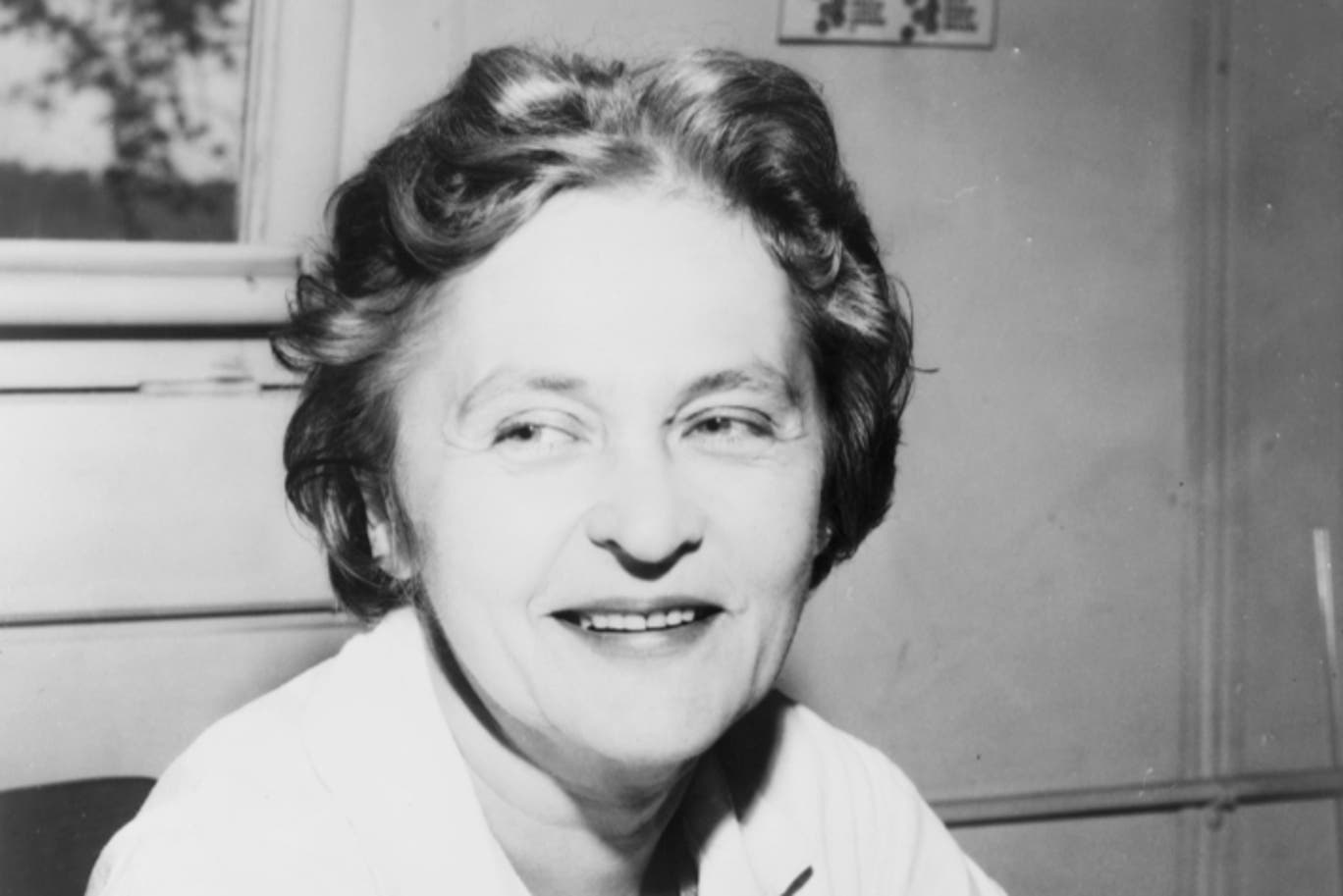
The Woman Who Could Have Saved Thousands — But One Man Kept Delaying the Contract
She built a device that turned seawater into drinking water using only sunlight — and had it ready while soldiers were dying of thirst in the Pacific. Then a man at MIT kept delaying the contracts.
By Maya ThorntonApr 1, 2026
$500, a Kitchen Table, and Every Boutique in Austin Saying No
She dropped out of college to care for her dying stepfather, watched her first business fail, and started her jewelry empire with $500 while pregnant and broke. Every boutique said no. She kept walking.
By Maya ThorntonMar 31, 2026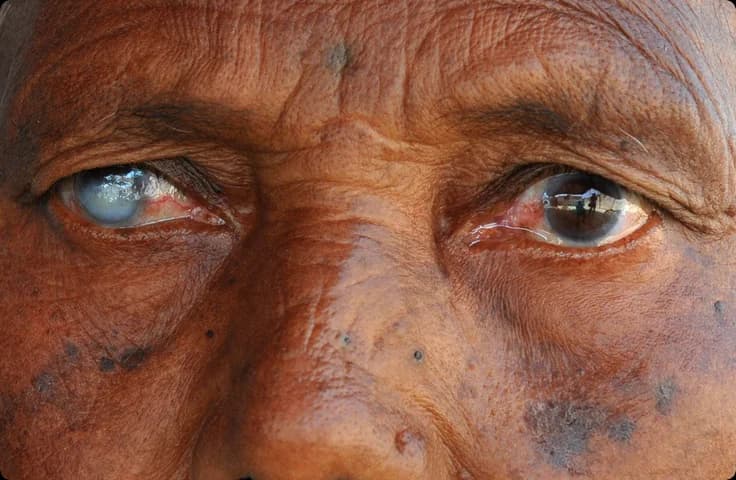
A 300-Year-Old Riddle Was Finally Answered. The Answer Was Disturbing.
In 1688, a philosopher asked a riddle about blindness and sight. It took 315 years and five surgeries to answer it. The answer unsettled everything we thought we knew about how we see.
By Maya ThorntonMar 28, 2026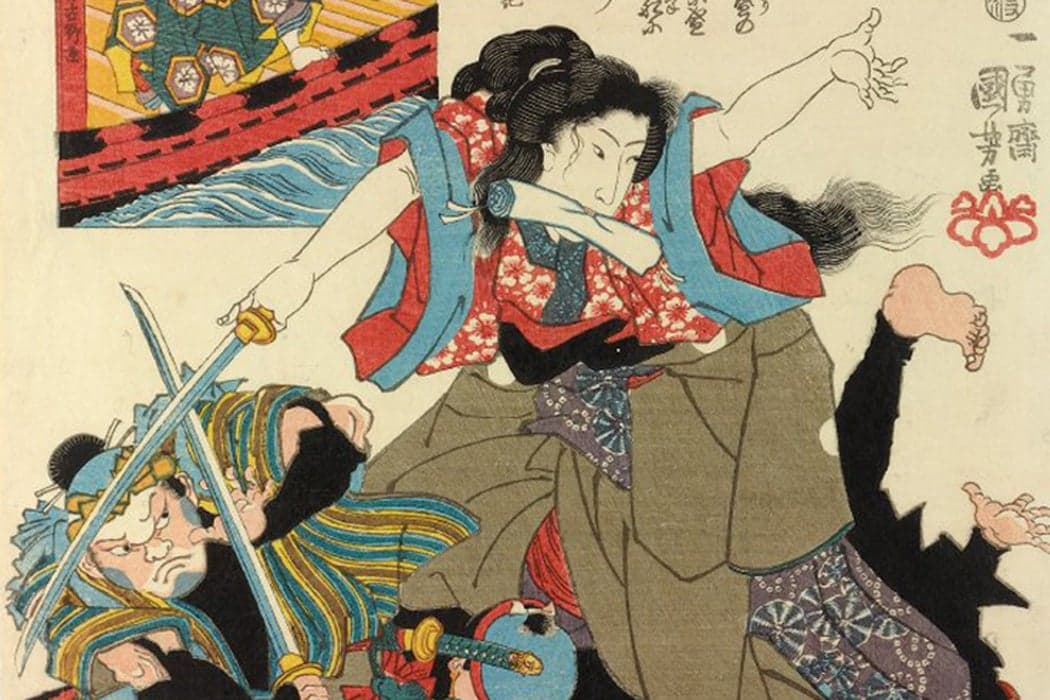
One-Third of the Bones on the Battlefield Were Women
They tested the bones at a famous Japanese battlefield. One in three samurai were women. The ground remembered what the history books erased.
By Maya ThorntonMar 26, 2026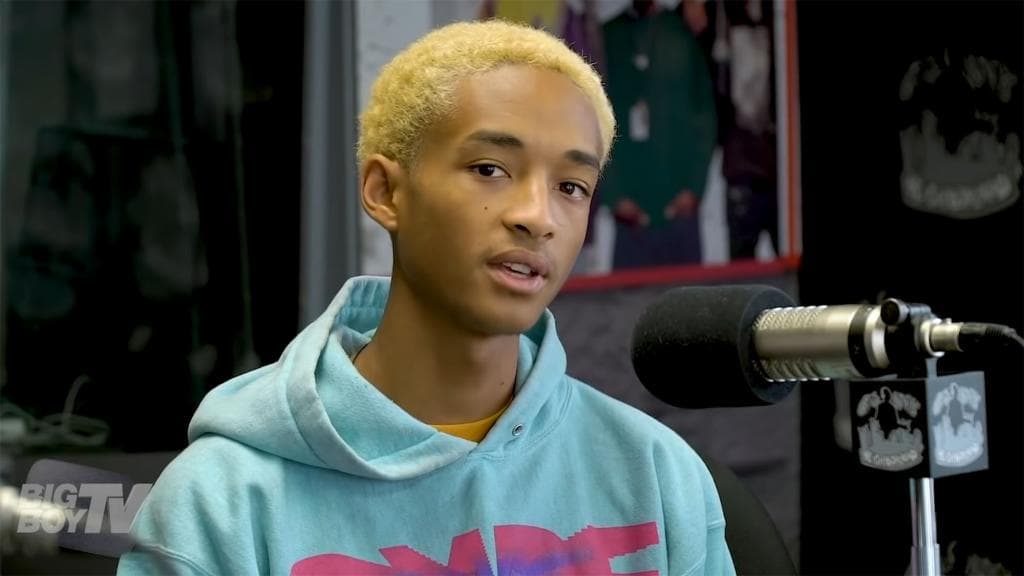
Jaden Smith Did Everything Right — And Got Mocked for It
He fed the homeless, filtered water for Flint, and made rap without degrading women. The internet only wanted to talk about his clothes.
By Maya ThorntonMar 25, 2026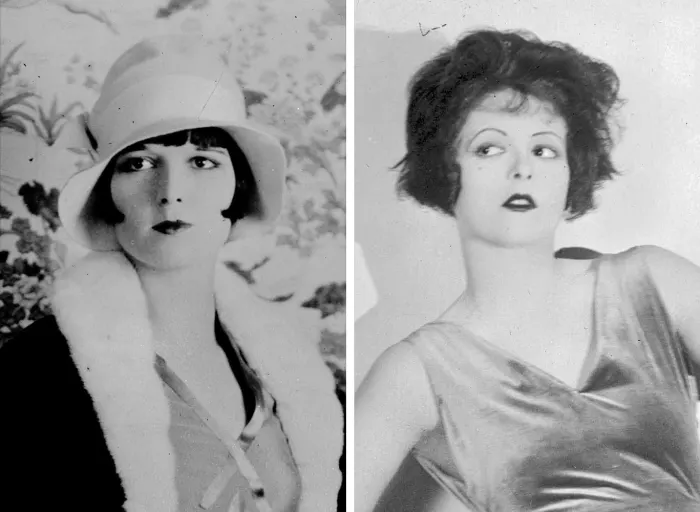
Women Didn't Cut Their Hair Because It Was Trendy — They Cut It Because the Old World Died in the Trenches
Before World War I, a woman's long hair was a symbol of obedience, status, and femininity. Then the men left for the trenches, the women entered the factories, and long hair became a liability. What happened next wasn't a fashion trend. It was the sound of an entire world breaking with everything it had been told to be.
By Maya ThorntonMar 24, 2026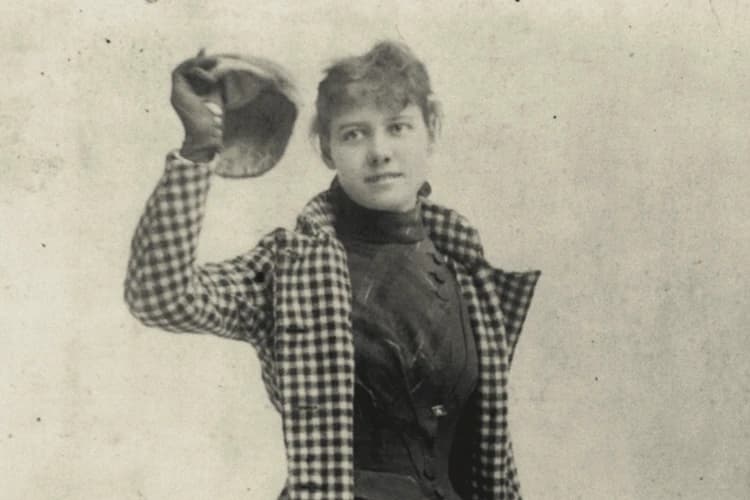
A Male Reporter Said No Woman Could Travel the World Alone — She Did It in 72 Days
A male reporter said no woman could circle the globe alone. Nellie Bly packed one bag, boarded a steamship, and beat a fictional record in 72 days — sending dispatches from every stop. Two years earlier, she had faked insanity to expose an asylum from the inside. She did all of it in an era where women couldn't even vote.
By Maya ThorntonMar 24, 2026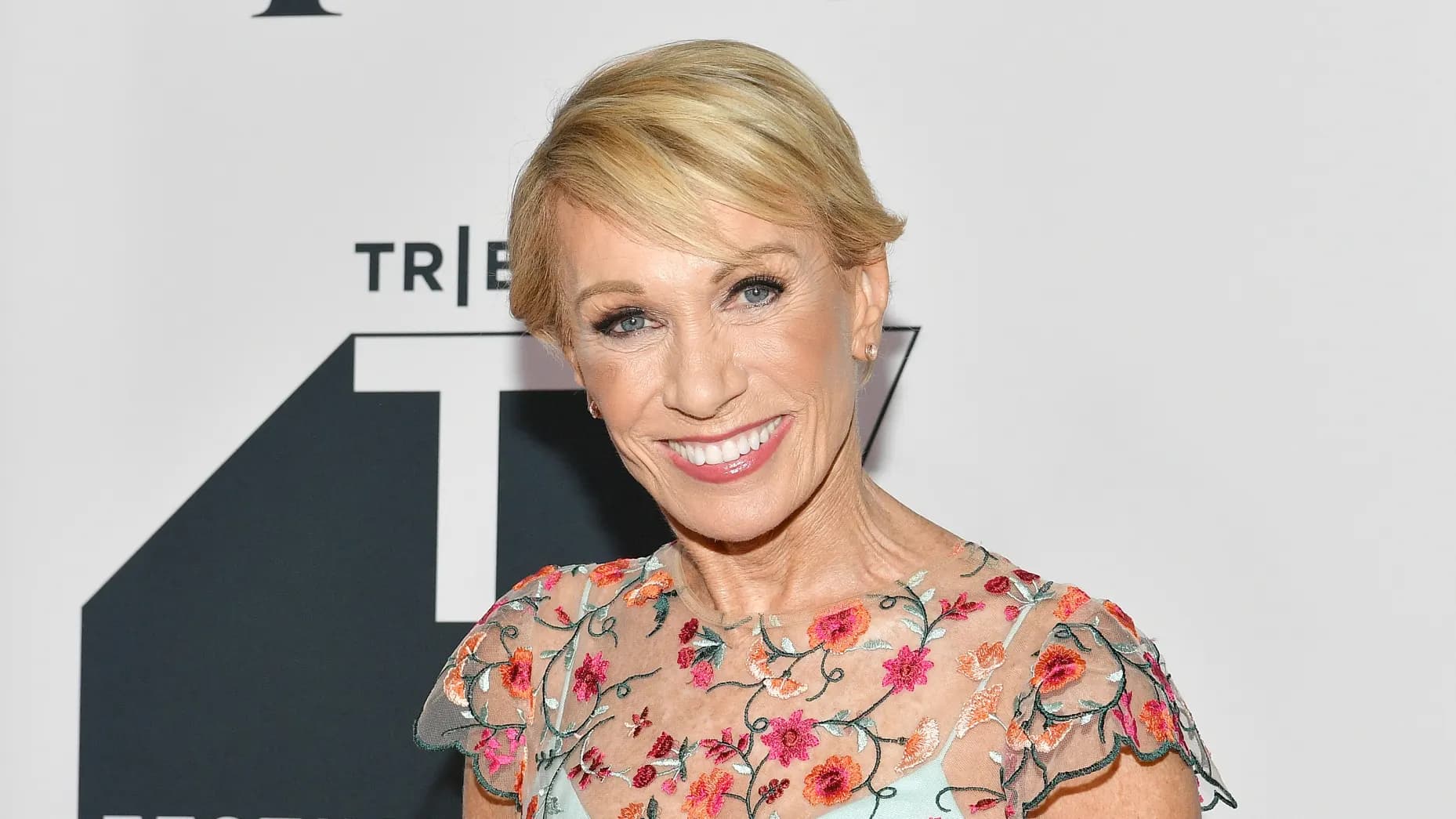
They Called Barbara Corcoran the Dumb Kid — She Built a $66 Million Empire Anyway
Barbara Corcoran was called the dumb kid. She had dyslexia, 20 jobs, no degree, and $1,000. Her boyfriend left and said she'd fail. She built a $66 million empire anyway. The dumb label never survived results.
By Maya ThorntonMar 24, 2026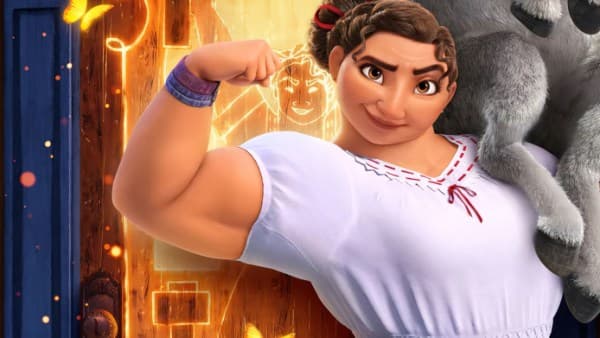
The Kids Want Giant Muscle Lady
Disney's artists fought to give Luisa her muscles. Disney's executives bet little girls would want the pretty one. The little girls had other plans. And what happened next says everything about what children actually need to see.
By Maya ThorntonMar 24, 2026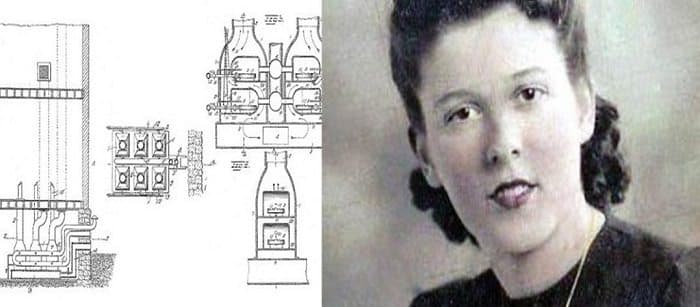
She Wasn't Allowed to Sign Her Own Name
Margaret A. Wilcox invented the technology inside every car, truck, train, and airplane on Earth. She wasn't allowed to patent it under her own name. Ford used her idea. History forgot her name. Almost no one has ever heard it.
By Maya ThorntonMar 24, 2026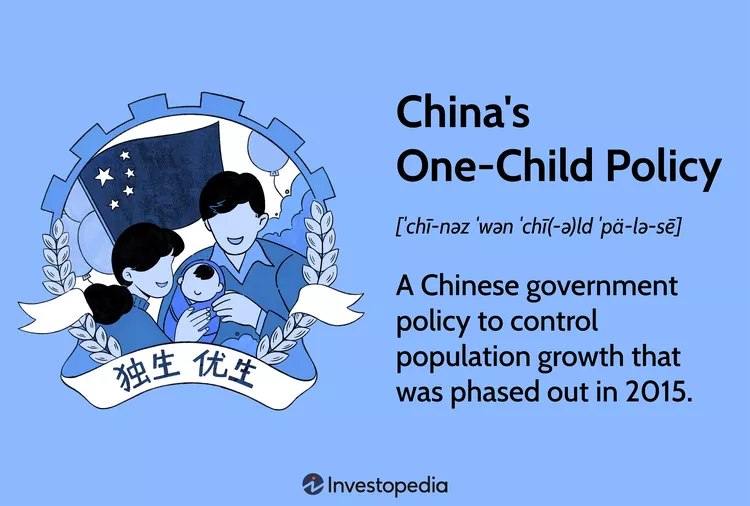
The Demographic Bomb They Built Themselves
China's one-child policy didn't just control population — it detonated a demographic bomb with a 35-year fuse. Now it's going off. Births at 1738 levels. Fertility at 1.0. 400 million seniors by 2035. And no one knows how to stop it.
By Maya ThorntonMar 23, 2026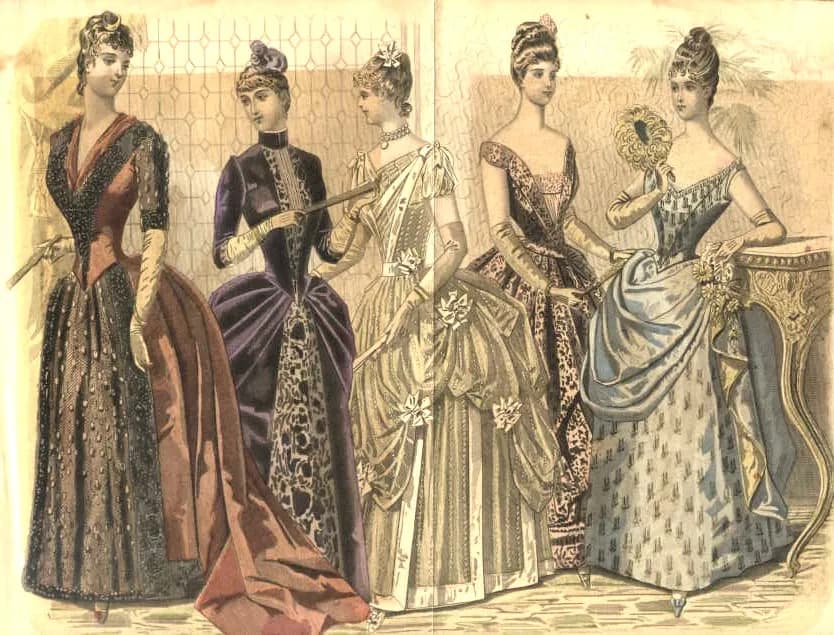
Consumptive Chic
In the Victorian era, tuberculosis didn't just kill millions — it became a beauty standard. Pale skin, wasted figures, and feverish eyes were considered the height of elegance. This is the story of how a deadly plague became fashionable.
By Maya ThorntonMar 23, 2026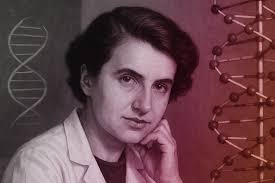
"She Had the Receipts"
Rosalind Franklin captured the most important photograph in scientific history. Then her colleague showed it to Watson and Crick without her knowledge — and they won the Nobel Prize.
By Maya ThorntonMar 23, 2026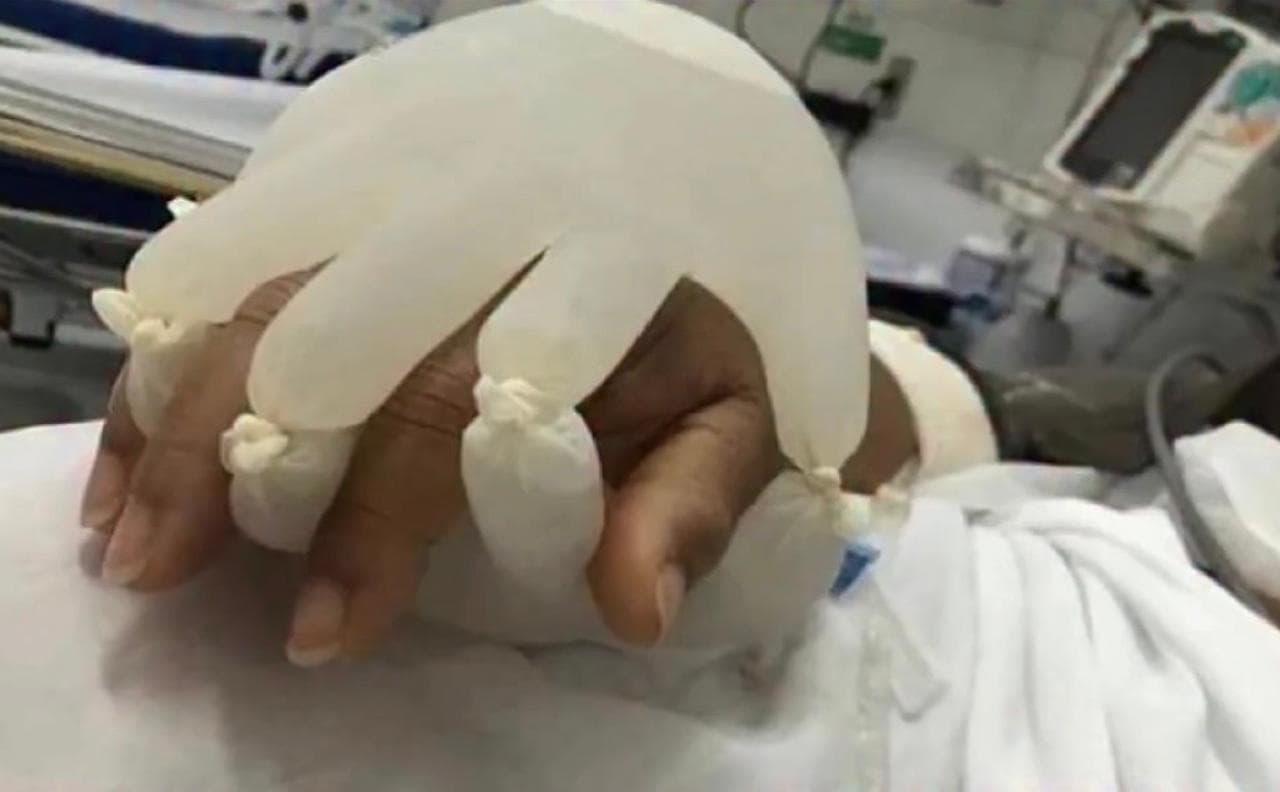
Mãozinha do Amor
In a Brazilian ICU at the height of COVID-19, two nurses filled latex gloves with warm water and changed how the world thinks about medicine
By Maya ThorntonMar 23, 2026