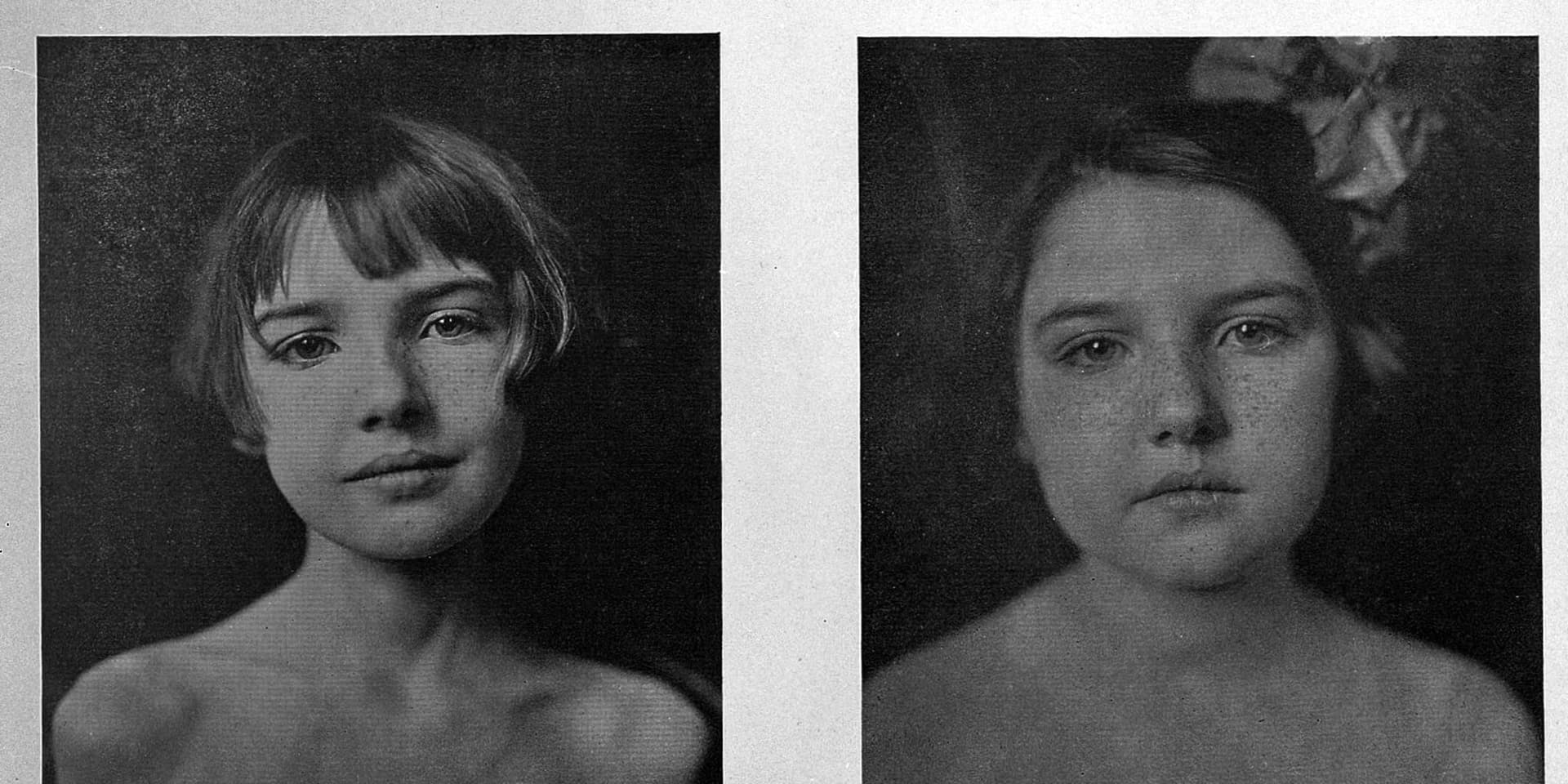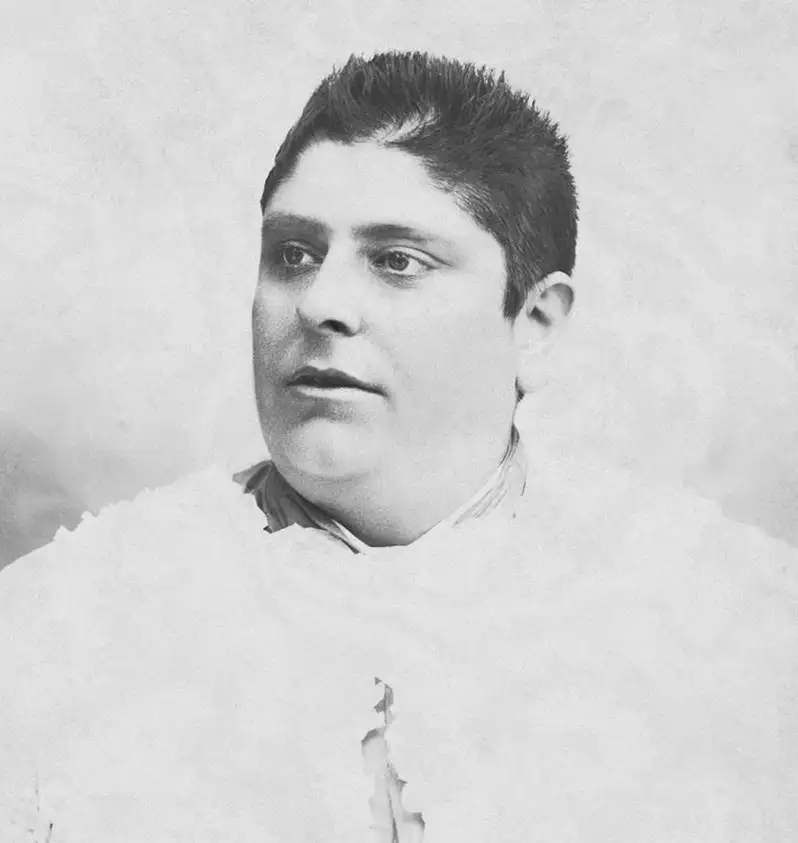
Ellen Sadler was eleven years old when she fell asleep in a cottage in Turville, England, on a Thursday night in March 1871. Doctors came from across the world. The Prince of Wales visited. People paid for locks of her hair. And still, nobody could explain it.

Shigeru Miyamoto had only kilobytes of memory to build entire worlds. Alexey Pajitnov created Tetris on a computer with less RAM than a modern calculator. The limits weren't obstacles — they were the design. And what they built by accident has never been equalled.

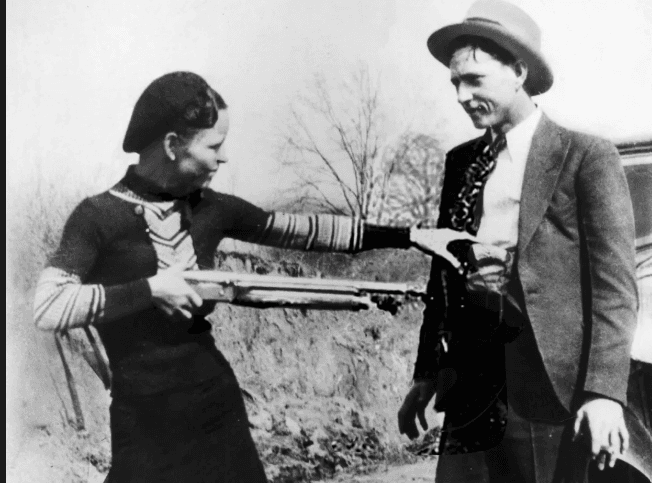
Henry VIII pursued Anne Boleyn for seven years, split from the Catholic Church to marry her, and had her executed three years later. History called it a love story. Psychology calls it something else.

A photographer spotted her on a beach. A cartel killed her brother. Hollywood said her accent was the problem. Sofía Vergara turned every single one of those things into fuel.

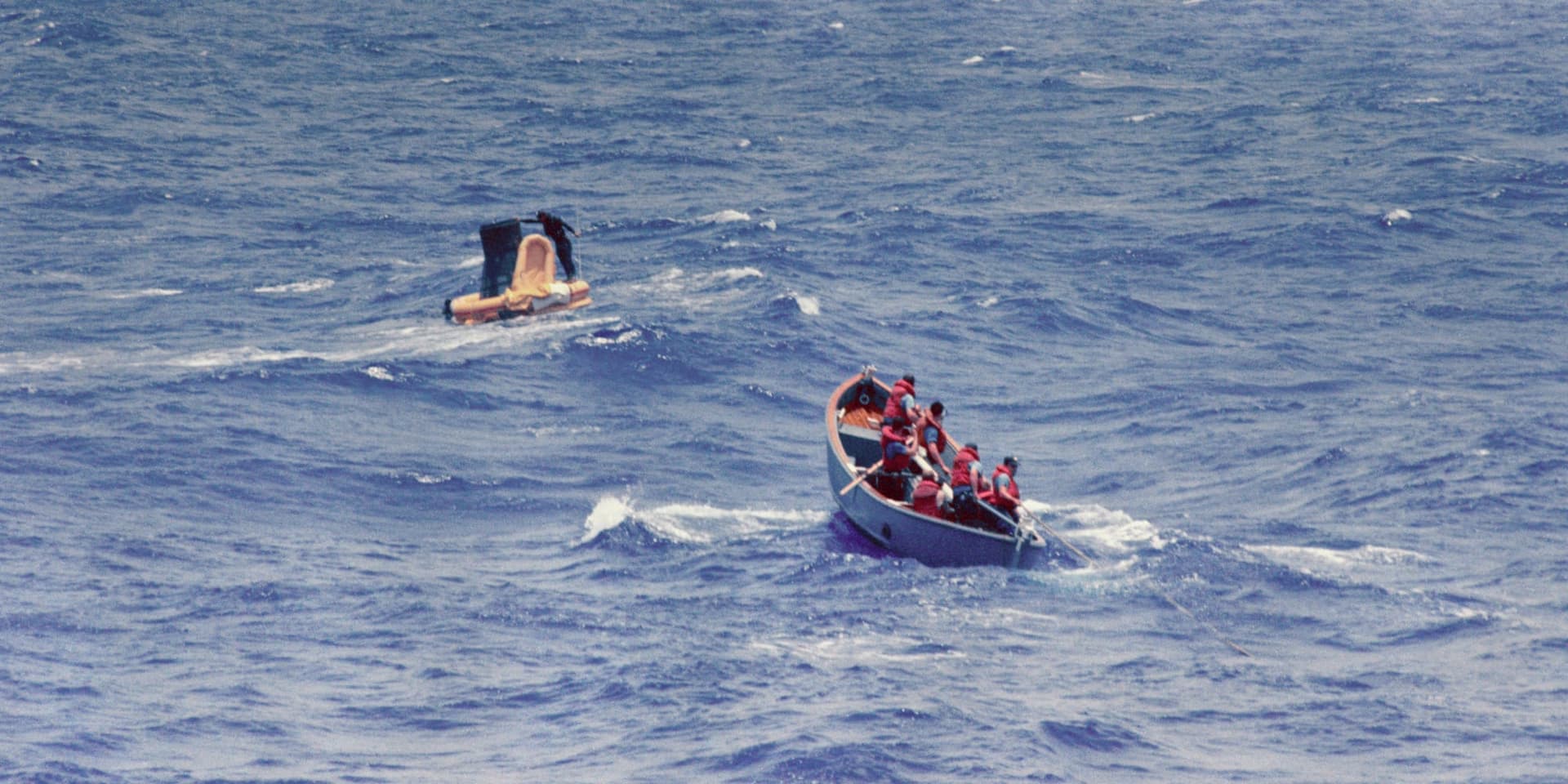
She built a device that turned seawater into drinking water using only sunlight — and had it ready while soldiers were dying of thirst in the Pacific. Then a man at MIT kept delaying the contracts.

She dropped out of college to care for her dying stepfather, watched her first business fail, and started her jewelry empire with $500 while pregnant and broke. Every boutique said no. She kept walking.

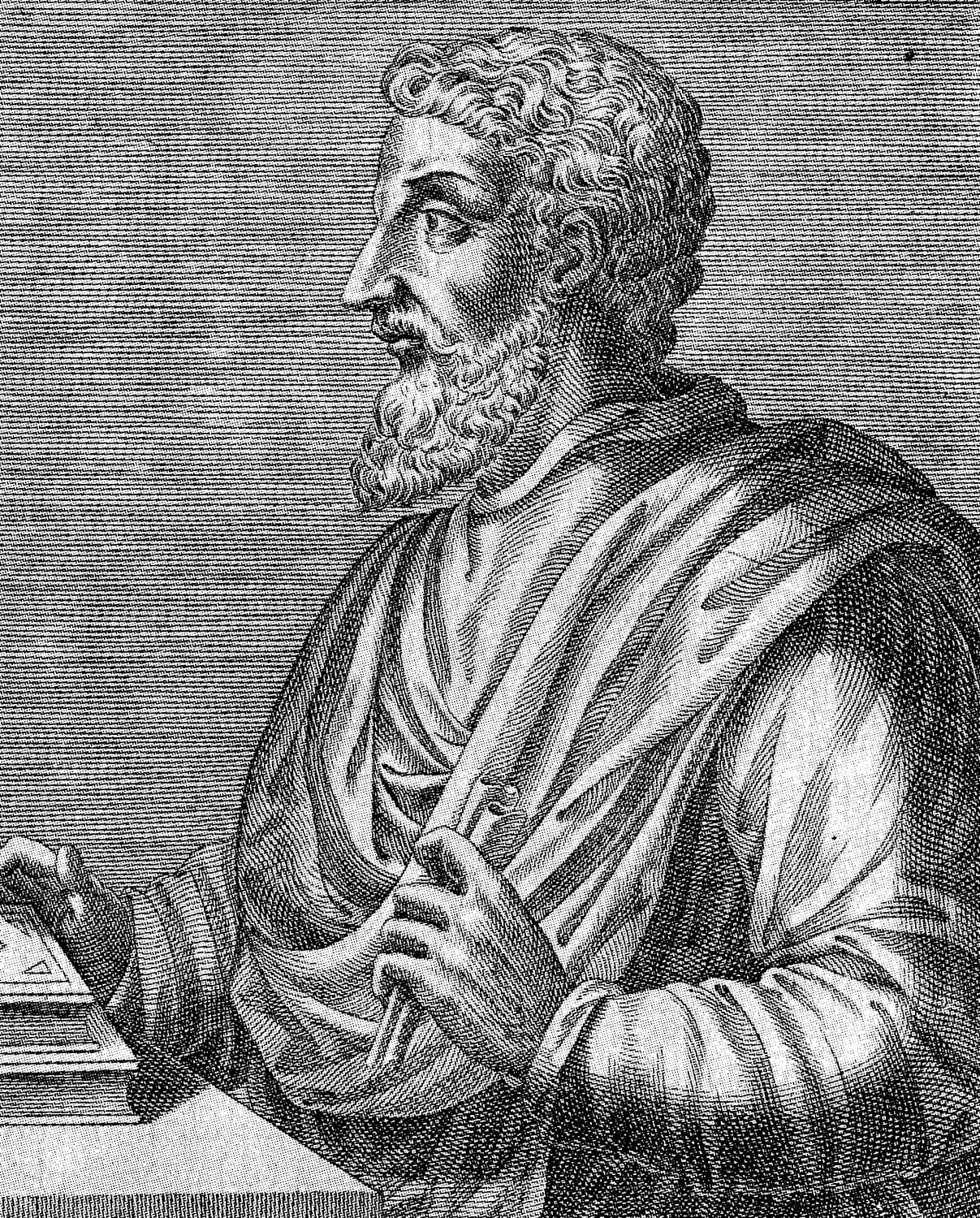
In 1688, a philosopher asked a riddle about blindness and sight. It took 315 years and five surgeries to answer it. The answer unsettled everything we thought we knew about how we see.
Join 4,200+ readers. One story a week. Verified. Important. Impossible to ignore.