Topic
Science
Research, discovery, and the human stories behind the science — explained clearly, sourced to the original studies, and checked before we publish.
14 Articles Published
ScienceVerdict: Missing context
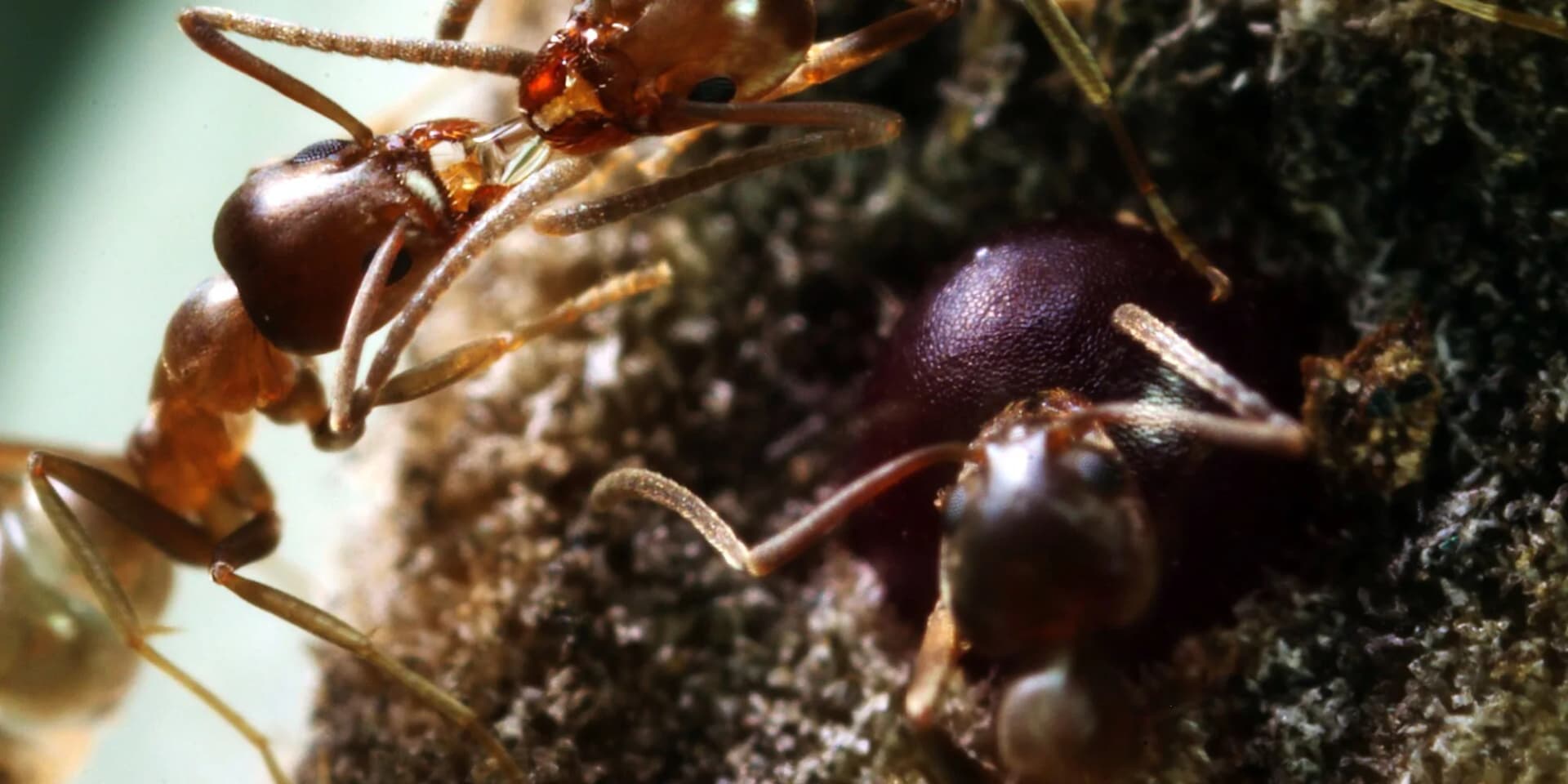
San Diego's Ant War Is Real. The Viral Picture of It Isn't.
Two Argentine ant supercolonies really did fight a deadly border war near San Diego. But the 30 million figure needs context, and the viral image is fake.
 By Akber BukhariOct 16, 2026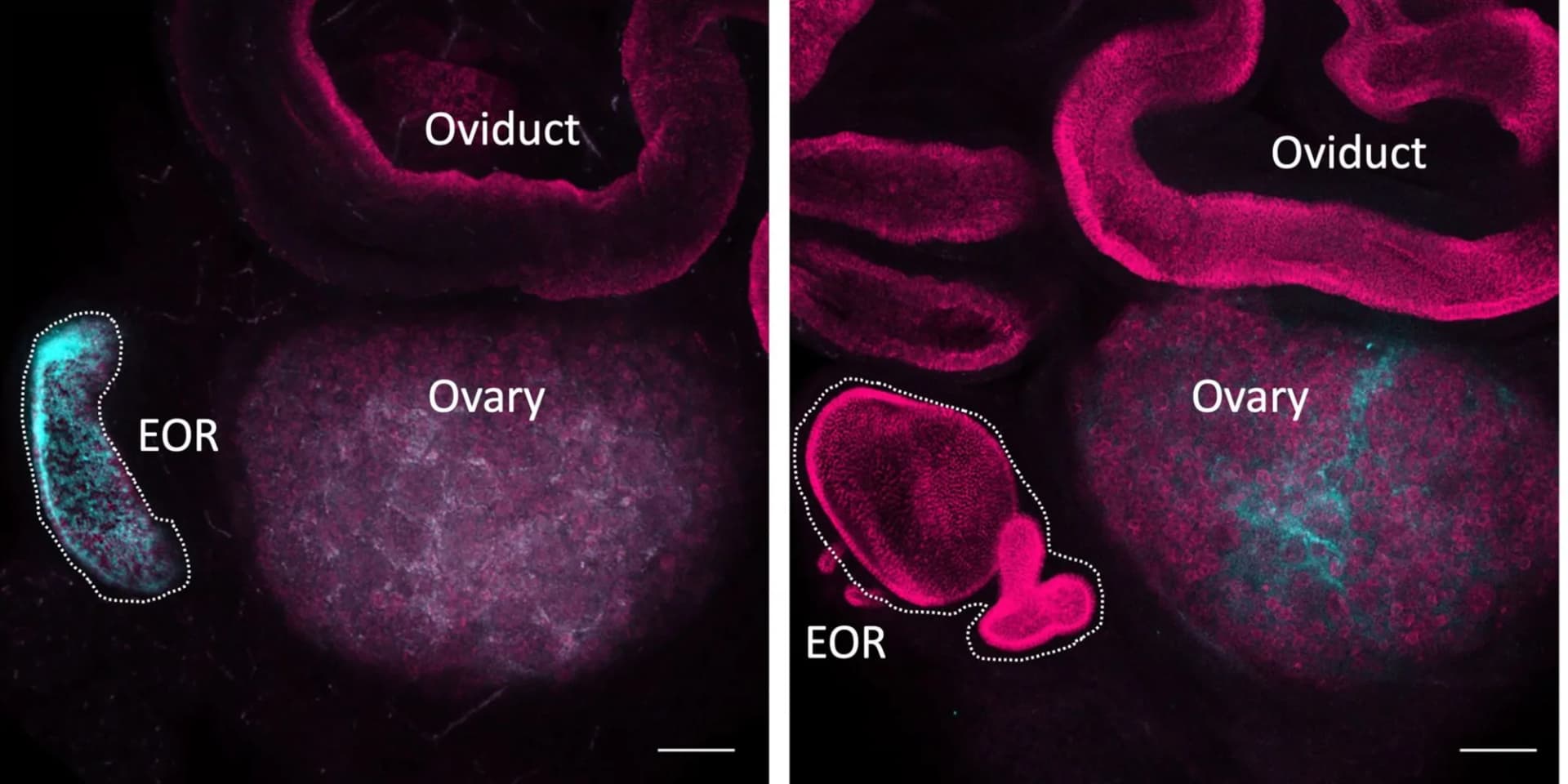
ScienceVerdict: Partly true
Rete Ovarii: The 'New Organ' That's Been Known Since 1870
Viral posts say scientists just found a new organ in the female body. The rete ovarii was described in 1870. What's new is what mouse studies suggest it does.
By Akber BukhariOct 9, 2026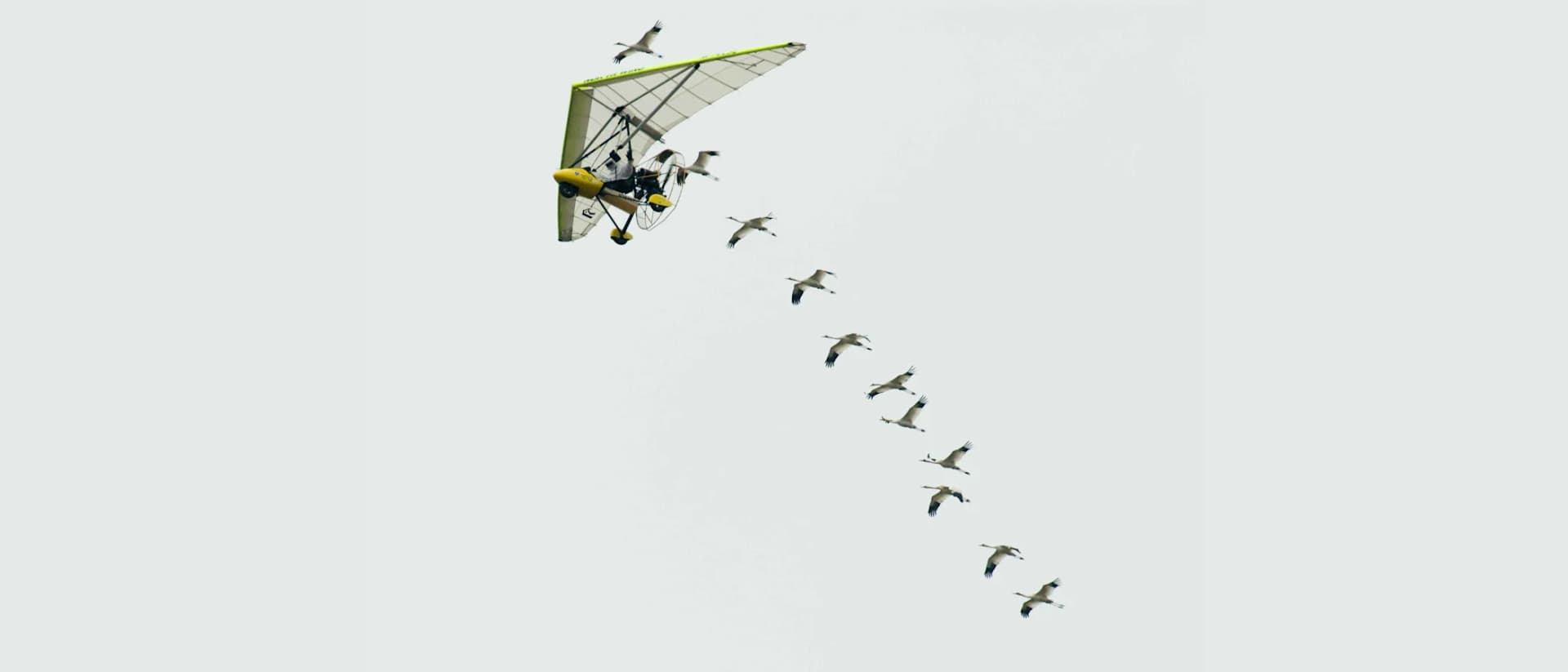
ScienceVerdict: True
Whooping Cranes Learned to Migrate by Following Costumed Pilots
To bring whooping cranes back to the eastern US, pilots in crane costumes led chicks south in ultralight aircraft for 15 years. What worked, and what didn't.
By Akber BukhariOct 8, 2026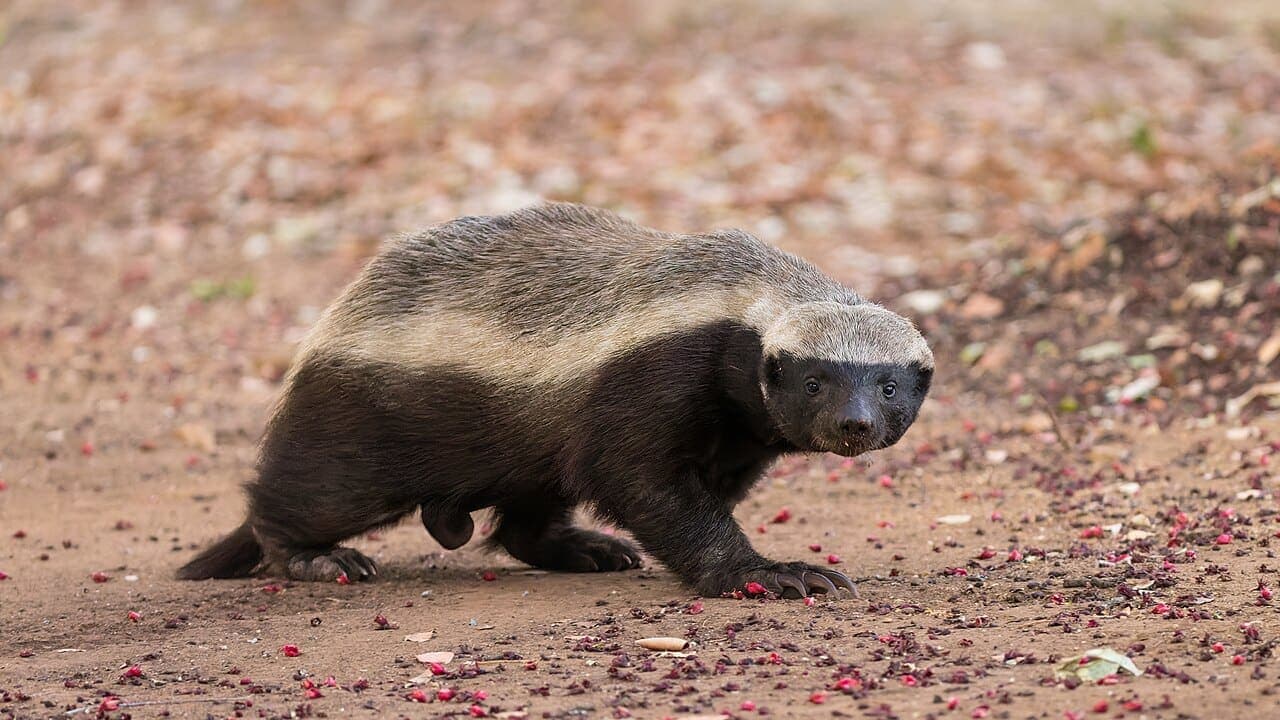
ScienceVerdict: Partly true
Stoffel the Honey Badger: The True Story Behind the Viral Escapes
Stoffel the honey badger really did escape his pen again and again in South Africa. But the viral story about lions and his partner Hammie gets key facts wrong.
By Akber BukhariOct 6, 2026
You Think You’re Resting. Your Brain Might Be Stuck in a Loop.
Losing the urge to go outside isn't laziness — it's a rumination-and-withdrawal loop. Here's the science, and the one small step that actually breaks it.
By Akber BukhariSep 5, 2026
The Science of Staring Into a Fire — and Why the Best Conversations Happen Around One
Watching a fire measurably lowers your blood pressure, and firelight talk is different from daytime talk. Here's the real science of the campfire.
By Akber BukhariSep 3, 2026
If You Always Feel People Don’t Like You, Your Brain Might Be Filtering Out the Proof They Do
If you always feel unliked, psychology says you may be filtering out the proof you're not. It's called rejection sensitivity — and it can be retrained.
By Akber BukhariAug 30, 2026
What Decades of Research on Family Estrangement Actually Found
Until about 2015, family estrangement was one of the most common experiences nobody studied. Karl Pillemer at Cornell was stunned to find 27 percent of Americans were currently estranged from a family member. Here is what the research — slowly, carefully assembled across two decades — actually found
By Akber BukhariApr 23, 2026
The Real Reason You Feel Better After Crying (It's Not What the Internet Says)
The viral version says your tears contain a painkiller six times stronger than morphine. The actual research — conducted across 35 countries, published in peer-reviewed journals, involving thousands of participants — is more nuanced, more honest, and considerably more interesting.
By Akber BukhariApr 21, 2026
Scientists Actually Mapped Where Emotions Live in the Body. Here's What They Found.
In 2013 Finnish researchers had 701 people color where they feel each emotion on a body outline. The maps held across cultures — here's what they found.
By Akber BukhariApr 21, 2026
You Would Need Wings the Size of a Bus. The Science of Why Humans Can Never Fly — and What It Reveals About the Most Extraordinary Bodies That Ever Existed.
Scientists have calculated that an average human would need a wingspan of at least 6.7 metres — roughly 22 feet — to generate enough lift to fly. That's the wingspan of a small aircraft. And wings would be the least of your problems.
By Akber BukhariApr 19, 2026
The Science of Why Volcanoes Don't Explode Immediately — and What That Has to Do With Everything That Eventually Does
Mount St. Helens shook for two months and 10,000+ quakes before it blew — pressure 123 years in the making. The science of why volcanoes don't erupt at once.
By Akber BukhariApr 19, 2026
Why the Human Brain Is Wired to Avoid Admitting Mistakes — and What History's Biggest Cover-Ups Reveal About It
In 1957 Leon Festinger showed people rewrite reality rather than admit they're wrong. History's biggest cover-ups reveal how cognitive dissonance works.
By Akber BukhariApr 19, 2026
A 300-Year-Old Riddle Was Finally Answered. The Answer Was Disturbing.
In 1688, a philosopher asked a riddle about blindness and sight. It took 315 years and five surgeries to answer it. The answer unsettled everything we thought we knew about how we see.
By Akber BukhariMar 28, 2026