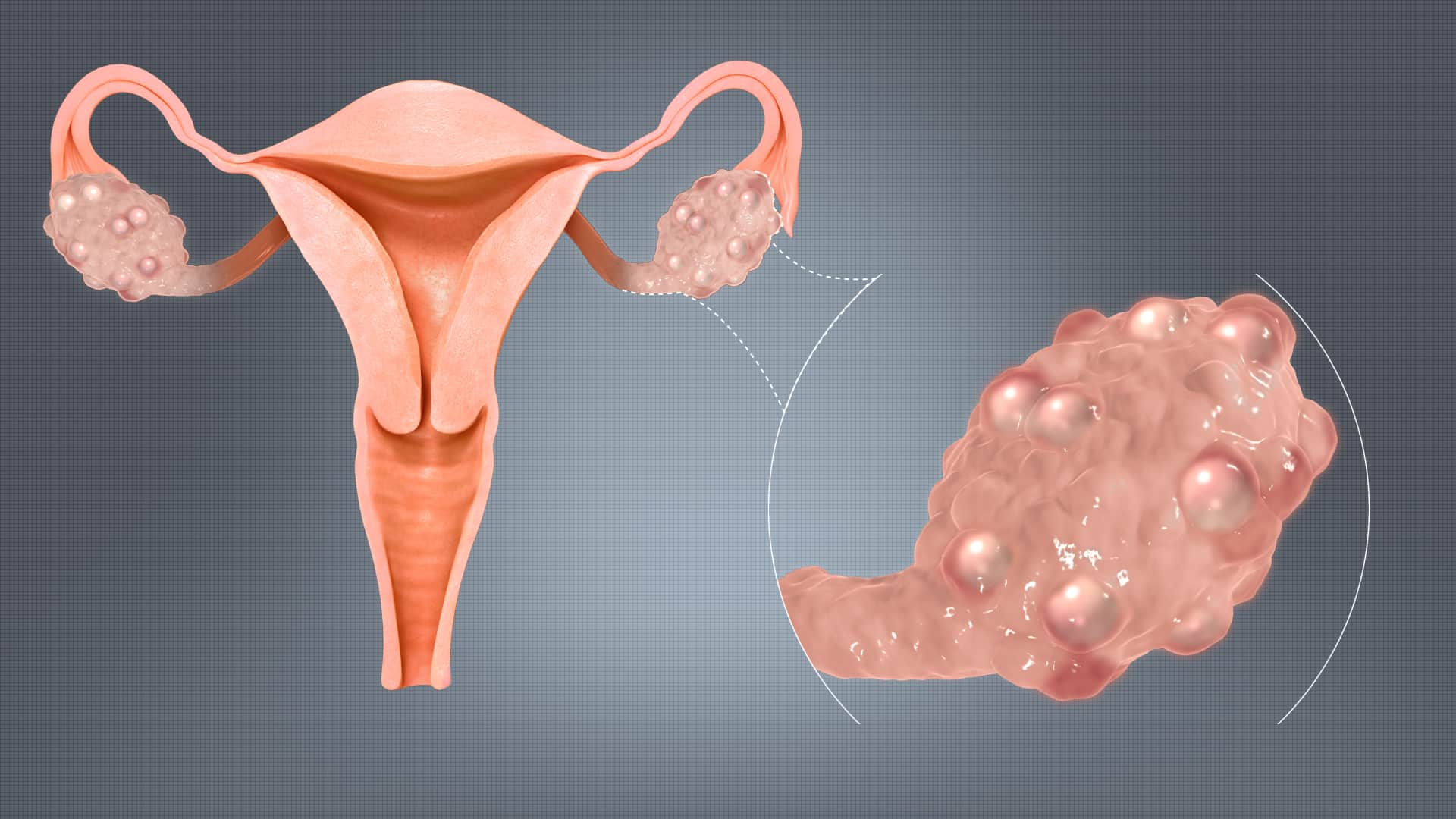
PCOS has always been more than just cysts.
For years, both clinicians and patients have pointed out that calling it "polycystic ovary syndrome" is misleading — the name implies the existence of harmful ovarian cysts, which aren’t actually a hallmark of the condition. What ultrasounds reveal are follicles that have stalled in their development, and this confusion has led to significant delays in diagnosis for as many as 70% of those affected.
This year, after 14 years of collaboration among experts and individuals who have experienced the condition firsthand, the name has finally been updated. The new term, polyendocrine metabolic ovarian syndrome, emphasizes scientific accuracy and acknowledges the condition's complex biology that spans multiple systems, rather than just focusing on one organ.
Just one incorrect term. A century of misunderstanding. Countless missed or delayed diagnoses. Here’s how we finally made it right.
This is not a condition defined by ovarian cysts. It is a complex, multisystem hormonal disorder affecting reproductive health, cardiometabolic risk, mental health, dermatology and more.
dr.rekha kumar, New york presbyterian, 2026
A Name That Was Wrong From the Start
For more than a century, one of the most common hormone disorders affecting women has carried a name built on a misunderstanding.
The Cysts That Weren't Cysts
For many years, both clinicians and patients have pointed out that calling it "polycystic ovary syndrome" is a bit misleading. The name implies that there are harmful ovarian cysts involved, but that's not really the case. What ultrasounds reveal in these patients are actually arrested follicles, not cysts. While that might sound like a technical detail, it has significant implications for millions of people dealing with this condition.
What the Condition Actually Involves
PMOS, which is the term now used, is diagnosed when a woman exhibits at least two out of three specific features: irregular menstrual cycles, elevated testosterone levels or symptoms associated with it, such as excessive facial hair, or a higher number of antral ovarian follicles seen on an ultrasound. It's important to note that women with this condition are not at a greater risk of developing actual ovarian cysts compared to those who do not have it.
The Cost of Getting the Name Wrong
That disconnect between the name and the biology isn’t just a small detail. Studies have revealed that this terminology has caused major diagnostic delays, impacting as many as 70% of individuals with the condition, and resulting in disjointed care. A name centered around the wrong organ has misled countless patients and doctors for decades, sending them searching in all the wrong places.
The 14-Year Journey to Get the Name Right
Fixing a name that millions of people, doctors, and medical institutions had used for decades was never going to happen quickly — and it didn't.
How It Started — A Fight in Sicily
The quest for a new name kicked off back in October 2015, and it was anything but smooth sailing. During a meeting in Sicily, experts gathered to tackle the renaming of PCOS, but they found themselves in a heated debate, each with their own strong opinions. Leading the charge was Professor Helena Teede, the Director of Monash University's Monash Centre for Health Research & Implementation. With decades of research under her belt and a deep understanding of how this condition affects patients, she was determined to see the renaming process through.
Who Led the Process
Teede took the reins on this initiative, working closely with Professor Terhi Piltonen, the President of the International Androgen Excess and Polycystic Ovary Syndrome Society from Oulu University in Finland, Anuja Dokras, the Executive Director of the AE-PCOS Society in the United States, and Rachel Morman, Chair of Verity (PCOS UK). Together, they set up the funding and governance, collaborating with 56 top academic, clinical, and patient organizations.
How the Consensus Was Built
The approach involved conducting iterative global surveys, gathering insights from 14,360 individuals with PCOS and a diverse group of health professionals from around the globe. We also utilized modified Delphi methods and nominal group workshop techniques. Altogether, this patient-centered initiative resulted in over 22,000 survey responses collected through various international workshops.
Not Everyone Fully Agreed
The outcome was almost unanimously agreed upon by a panel made up of clinicians, researchers, and patient advocates. However, there are still some lingering concerns, especially since keeping "ovarian" in the name overlooks the potential, hinted at by early studies, that a male version of the syndrome could exist.
Why "Polyendocrine Metabolic Ovarian Syndrome" Specifically
The new name was not chosen for being catchy. Every word carries deliberate scientific weight, chosen to correct specific failures of the old terminology.
Breaking Down Each Word
The term "Polyendocrine" highlights that this condition is driven by a complex interplay of various hormonal issues, such as insulin, androgens, and neuroendocrine hormones, rather than just being a standalone ovarian problem. "Metabolic" points to the insulin resistance and cardiometabolic challenges that many patients face in their everyday lives. Meanwhile, "Ovarian" maintains the connection to reproductive health without letting it overshadow the bigger picture.
The Science Behind the Decision
PMOS isn't just a standalone ovarian issue; it actually involves a range of interconnected endocrine problems. This idea is backed up by meta-analyses from extensive genomic studies that highlight its multisystem nature. The researchers chose this name because it reflects the complex biology of the disorder without using terms that might carry a negative stigma.
Near-Unanimous Support From Patients and Doctors
A wide range of stakeholders expressed their preference for a name that accurately reflects the biology and symptoms of the condition. In fact, 86% of patients and 71% of clinicians backed this change, citing issues like stigma, confusion, and fragmented care. It's quite remarkable to see such a strong consensus among both patients and the healthcare professionals who care for them, especially for a medical renaming effort of this magnitude.
What the Doctors Leading the Change Are Saying
Melanie Cree, a pediatric endocrinologist at the University of Colorado Anschutz, emphasized that the renaming "is more than just a name change; it’s about truly acknowledging the complete reality of what patients go through." She pointed out that "for far too long, the limited definition of PCOS has ignored its intricate metabolic and hormonal aspects, resulting in many patients being either undiagnosed or misunderstood."
What This Means for Diagnosis, Treatment, and Patients
A name change of this scale is not just symbolic — it is expected to reshape clinical practice in concrete ways.
The Metabolic Risks the Old Name Missed
Insulin resistance is quite prevalent in this condition, even among those who aren't obese, and it’s associated with a higher risk of issues like impaired glucose tolerance, gestational diabetes, dyslipidemia, hypertension, and cardiovascular disease. Nowadays, the focus of treatment is evolving to address the underlying metabolic and neuroendocrine factors, in addition to reproductive goals, to enhance ovulation and improve pregnancy outcomes.
A Global Rollout Across Clinical Guidelines
The official adoption of PMOS is set to replace the cyst-centric label with a more comprehensive terminology that reflects the endocrine, metabolic, and ovarian issues contributing to infertility, menstrual irregularities, and long-term cardiometabolic health risks. The rollout is scheduled to take place over the next three years, with updates to clinical guidelines that will be implemented in 195 countries.
New Tools for Diagnosis
We're shaking things up with a fresh approach to clinical guidelines, medical education, and international disease classification systems. This means the new terminology will be rolled out consistently across the globe. Plus, there's exciting news: a blood test measuring anti-Müllerian hormone levels can now take the place of ultrasounds for diagnosis. This is all part of a larger movement towards diagnostic tools that move away from the term "cysts" entirely.
How Patients Themselves Shaped the Change
What separates this renaming from a typical medical reclassification is how directly patients were involved in producing it.
A Voice From the Patients Who Pushed for Change
Lorna Berry, an Australian woman living with PMOS and a vital part of the renaming effort, expressed, "This is all about accountability and making strides forward. It’s for my daughters, their daughters, and all the countless women who are yet to come. We deserve clarity, understanding, and fair healthcare right from the start."
What the Old Name Cost Patients Day to Day
This condition is thought to impact around 13% of women of reproductive age, leading to a range of symptoms such as weight gain, acne, excessive hair growth, irregular and painful periods, and mental health challenges. Unfortunately, because doctors have traditionally concentrated on the cystic aspect suggested by the old name, patients who don’t show cysts might be overlooked, even though they could be grappling with the metabolic and fertility problems that are genuinely associated with this condition.
What Comes Next
Rachel Morman from Verity (PCOS UK) mentioned that the new name "highlights the hormonal aspects and acknowledges the metabolic side of the condition." She also noted, "Even after years of dedicated advocacy to boost awareness, we realized that the potential benefits of this change would outweigh the risks." For the next few years, both names are likely to be used interchangeably as clinical guidelines and educational systems adapt, with the ultimate aim of getting the World Health Organization to include it in its International Classification of Diseases.