A claim has been circulating online that sounds genuinely alarming: the small brush a doctor uses to collect cells from the cervix during a Pap smear is sterilized using ethylene oxide — “a cancer-causing chemical.”
The unsettling part is that this is not entirely false. Ethylene oxide is real, it is commonly used to sterilize brushes like that, and it is classified as a carcinogen. Taken at face value, it sounds like a reason to avoid the test altogether.
But a true fact can still point to a false conclusion. Once you understand what ethylene oxide is, why it’s used, and how much of it actually ends up on the device that touches you, the picture looks very different — and the real risk turns out to be the opposite of what the post implies.
Where the Claim Comes From
The viral version isn’t invented out of nothing. It takes two accurate facts and welds them into a scary one.
What Ethylene Oxide Actually Is
Ethylene oxide (often written EtO or EO) is a gas used to sterilize medical equipment. Unlike sterilization by heat or radiation, it works at low temperatures, which makes it the go-to method for delicate plastic instruments that would melt, warp, or degrade in an autoclave — including the soft brushes and spatulas used in cervical screening.
Yes, It Really Is a Carcinogen
The claim’s core fact is correct: ethylene oxide is classified as a carcinogen. Long-term exposure is linked to certain cancers, and health agencies treat it as a serious hazard. So the post isn’t lying when it says the brush is sterilized with a cancer-causing chemical. The problem is everything it doesn’t say next.
The Part the Viral Post Leaves Out
Three missing facts turn this from a health scare back into ordinary, safe medicine.
It Sterilizes Half of Modern Medicine
Ethylene oxide isn’t some sinister choice reserved for Pap smears. It sterilizes roughly half of all sterile medical devices — syringes, catheters, surgical kits, IV lines, wound dressings, heart valves. If EtO on a sterilized device were dangerous to patients, essentially all of modern medicine would be, too. It isn’t singled out for cervical brushes; it’s the standard way to make heat-sensitive equipment safe to put near your body.
The Danger Is Inhaling It — Not Touching a Sterilized Device
The cancer risk from ethylene oxide comes from breathing it in over long periods — it’s an occupational and air-quality hazard for workers inside sterilization plants and, in some cases, communities living near them. That is a completely different situation from a patient briefly contacting a device that was sterilized with it and then cleared of the gas. The hazard lives in chronic inhalation of the gas, not in a few seconds of contact with a finished, aerated instrument.
How Little Is Left on the Brush
This is the fact that collapses the whole scare. After EtO sterilization, devices are aerated — deliberately off-gassed — specifically to drive residual chemical down to trace levels. And those levels aren’t left to chance: regulators like the FDA, following the international standard ISO 10993-7, set strict limits on how much residual ethylene oxide a device may carry, based on how long it contacts the body. Allowable residues are measured in milligrams and parts per million, and the limits are tightest for devices with the most contact. A cervical brush touches you for a matter of seconds. The residual exposure is tiny, and it is kept below limits set specifically to protect patients.
The Real Risk Is Skipping the Test
Here’s the part that matters most, and the reason this kind of post is worth pushing back on.
What Pap Smears Actually Do
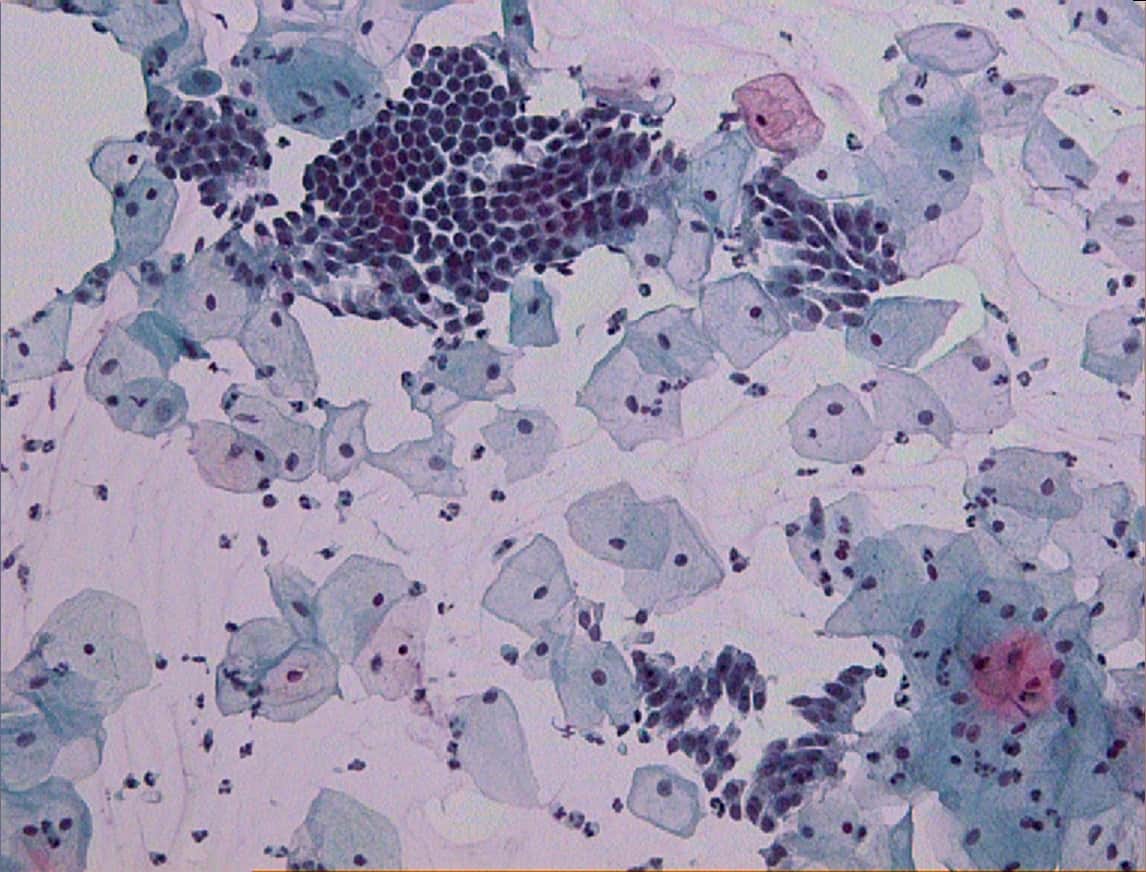
The Pap smear is one of the most successful cancer-prevention tools ever invented. By catching abnormal cervical cells early — often before they ever become cancer — routine screening has driven cervical-cancer rates and deaths down dramatically in countries where it’s widely used. It doesn’t just detect cancer; it heads it off.
That’s what makes the viral framing genuinely harmful. If it persuades even a handful of women to skip screening over a misunderstood detail about sterilization, the outcome isn’t “avoided a chemical” — it’s missed early detection of a cancer that’s highly preventable when caught in time.
The genuinely risky move isn’t getting the Pap smear. It’s not getting it.
The Bottom Line
The scary version is built on a real fact — ethylene oxide is a carcinogen — stripped of the context that makes it safe: it sterilizes half of all medical devices, its danger is chronic inhalation rather than brief contact, and the residual left on your Pap smear brush is a regulated trace amount. The test itself remains overwhelmingly safe and one of the best defenses against cervical cancer there is.
The genuinely risky move isn’t getting the Pap smear. It’s not getting it.
Read next: Why endometriosis is a whole-body disease, and what the PCOS to PMOS name change means.
Sources
- U.S. Food and Drug Administration, “Sterilization for Medical Devices” (about 50% of sterile medical devices in the U.S. are sterilized with ethylene oxide).
- U.S. Environmental Protection Agency, Evaluation of the Inhalation Carcinogenicity of Ethylene Oxide (final report, 2016), concluding it is carcinogenic to humans by inhalation.
- International Agency for Research on Cancer, IARC Monographs Volume 100F, “Ethylene Oxide” (2012), classifying it as carcinogenic to humans (Group 1).
- ISO 10993-7, Biological evaluation of medical devices, Part 7: Ethylene oxide sterilization residuals, International Organization for Standardization.
- National Cancer Institute, “Cervical Cancer Screening”
- World Health Organization, “Cervical cancer” fact sheet