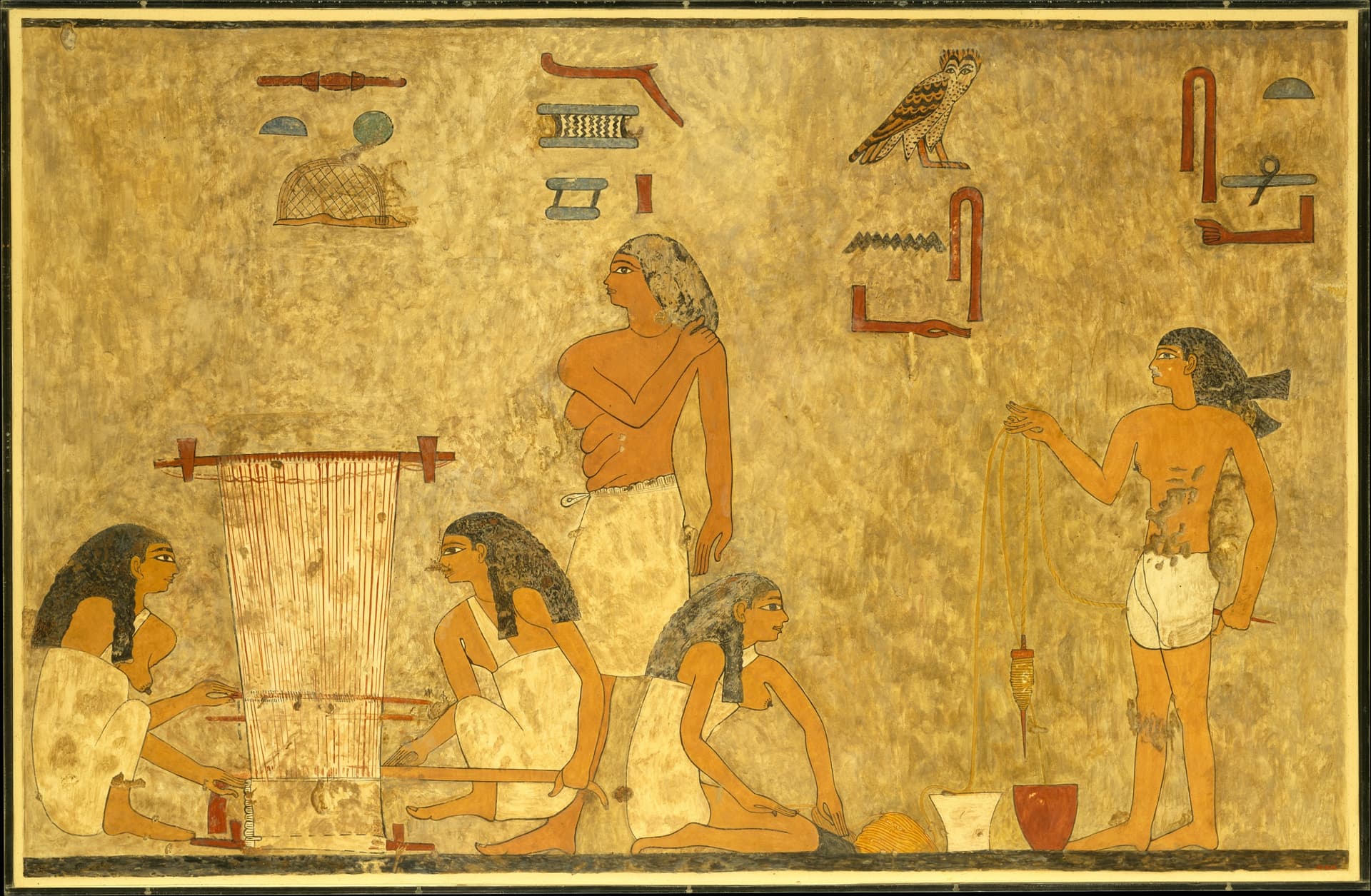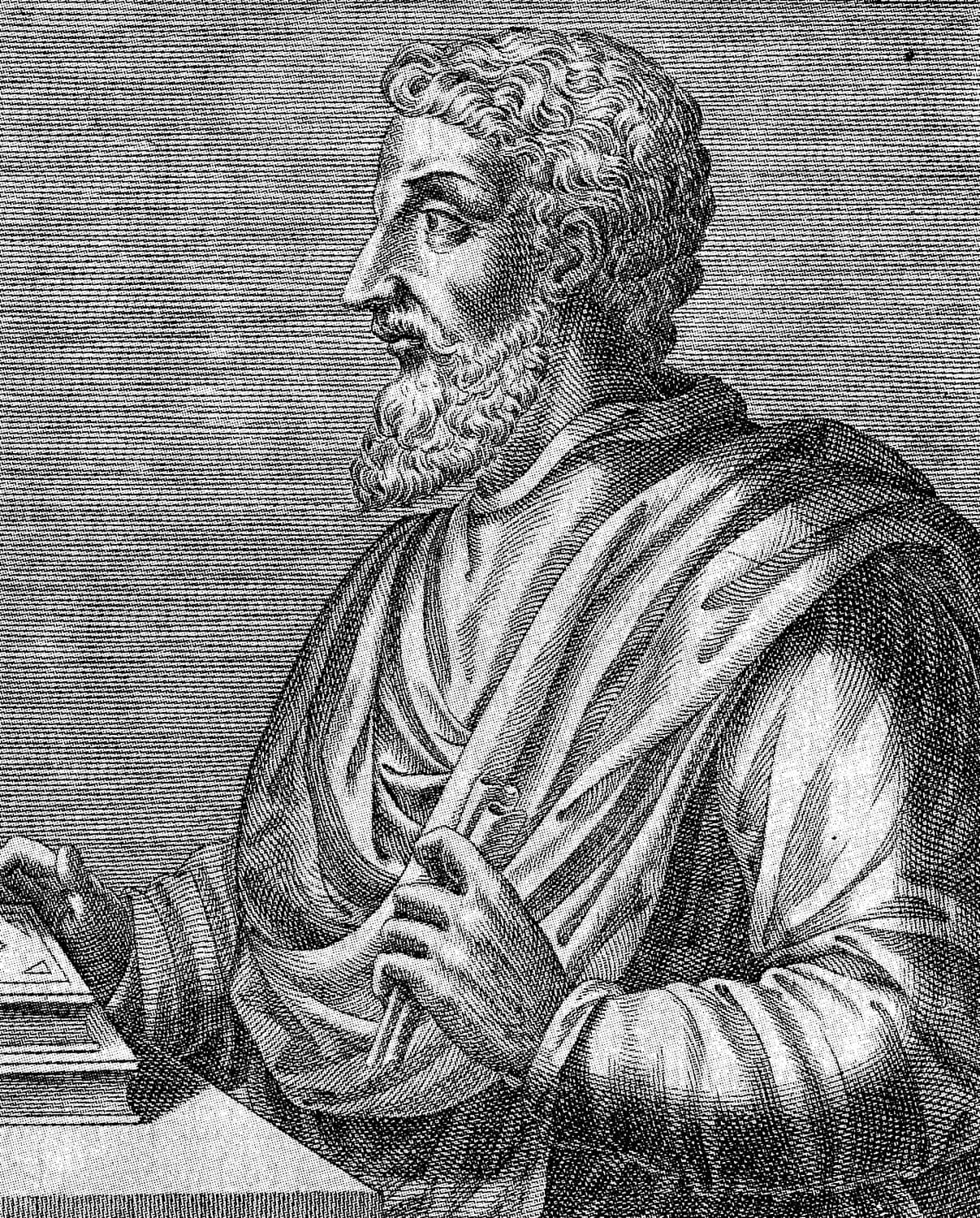
Tucked into a Roman manual on how to run a farm, written around 37 BC, is a sentence that reads as if it slipped in from the wrong millennium. Its author, Marcus Terentius Varro, is explaining where to build a country estate. Avoid swampy ground, he advises, and then gives a reason that no one else in the ancient world would put quite this way.
In such places, he writes, there breed "certain minute creatures which cannot be seen by the eyes," and which drift through the air and enter the body through the mouth and nose, where they cause serious disease. He was describing invisible living things that make people sick. He wrote it roughly 1,700 years before anyone would actually see one.
The line has become a favorite of internet history threads, usually with the claim that Varro "discovered germs" or "invented germ theory." He did not. What he did is stranger, and in some ways more interesting. He guessed, correctly, at something he had no way to prove, and then the world spent nearly two thousand years not listening.
The Essentials
- Marcus Terentius Varro (116–27 BC) was one of Rome's most prolific scholars, later called “the most learned of the Romans.”
- In his farming manual De re rustica (c. 37 BC) he advised avoiding swamps because tiny invisible creatures there enter the body and cause disease.
- It is one of the earliest written suggestions that unseen living things cause illness, but it was a guess, not a tested theory.
- Microorganisms were not actually seen until the 1670s, and the germ theory of disease was not established until the 19th century.
The most learned of the Romans
Varro was not a physician or a natural philosopher by trade. He was a scholar of almost absurd range, a soldier and statesman who wrote on the Latin language, law, history, geography, religion, and agriculture. Ancient sources credit him with something like seventy-four works running to hundreds of individual books. Almost all of it is lost. The rhetorician Quintilian later called him "the most learned of the Romans," and the label stuck.
De re rustica, or On Agriculture, is one of the few things of his that survive more or less intact. He wrote it in his eighties, framing it as practical advice for a friend who had bought a farm. It is a working handbook: how to choose land, raise livestock, keep bees, store crops. The passage about invisible creatures is not a grand theory of disease. It sits in a section on where to place the buildings, right next to notes on drainage and prevailing winds.
There are bred certain minute creatures which cannot be seen by the eyes, which float in the air and enter the body through the mouth and nose and there cause serious diseases.
— Varro, On Agriculture, c. 37 BC
A guess that went further than it had to
To see why the line matters, it helps to know what everyone else believed. The standard explanation for disease in the ancient and medieval world was miasma: the idea that sickness came from bad air, foul vapors rising off rotting matter and stagnant water. Swamps were dangerous, on this view, because they stank. The air itself was the poison.
Varro starts from the same practical observation, that swampy land breeds disease, but he reaches for a different mechanism. He does not blame the air for being bad. He suggests the air is carrying something: tiny living creatures, too small to see, that get inside a person and do the damage. That shift, from poisoned air to invisible organisms riding the air, is the part that sounds modern. He had no microscope, no experiment, and no follower who built on the idea. He simply guessed that the cause was alive and too small to observe.
He was also, in a roundabout way, right about the swamps. The disease that made Roman marshland so deadly was almost certainly malaria, spread by mosquitoes that breed in standing water. Varro could not have known about parasites or about mosquitoes as carriers. But his blunt advice, do not build your house next to a swamp, was sound, and his hunch that something invisible and alive was involved landed closer to the truth than the bad-air theory that would outlast him by centuries.
Key dates
- 116 BCVarro is born; he will become Rome's most prolific scholar.
- c. 37 BCIn his eighties he writes De re rustica, including the line about invisible disease-causing creatures.
- 2nd c. ADGalen systematizes miasma theory; “bad air” stays the standard explanation for disease.
- 1546Girolamo Fracastoro proposes that disease spreads by tiny transferable “seeds” (seminaria), reviving the idea of a particulate cause.
- 1665Robert Hooke's Micrographia reveals a microscopic world, including the empty “cells” of dead cork.
- 1670sAntonie van Leeuwenhoek, using single-lens microscopes, becomes the first to see living “animalcules.”
- 1860s–80sPasteur and Koch establish the germ theory of disease, confirming that microbes cause illness.
Why nobody listened for 1,900 years
A good guess is not the same as a discovery, and Varro's idea had two fatal problems. First, he could not prove it. There was no way to see a creature smaller than the eyes can see, so the claim could only be asserted, never tested. Second, it was competing with a theory that seemed to explain the same facts. Miasma also predicted that swamps and rot were dangerous, and it carried the weight of authority. When the physician Galen formalized the bad-air model in the second century, it became medical orthodoxy across Europe and the Islamic world for well over a thousand years.
The idea did flicker back to life now and then. In 1546 the Italian physician Girolamo Fracastoro argued that epidemics spread through tiny transferable "seeds" of contagion, a claim that rhymes with Varro's across sixteen centuries. But Fracastoro was guessing too. Without any way to see the seeds, his proposal joined Varro's as a clever notion the mainstream could file away and ignore.
So Varro's sentence sat where he left it, in an agriculture book, quoted now and then as a curiosity but never developed. It was not suppressed or forgotten so much as outvoted. Ideas that cannot be demonstrated tend to lose to ideas that can be repeated, and for most of recorded history, no one could demonstrate a microbe.
The century the creatures became visible
The wait ended in the 1600s, and it ended because of glass. In 1665 the English scientist Robert Hooke published Micrographia, a lavishly illustrated tour of the world under a microscope. Looking at a sliver of cork, he saw a honeycomb of tiny compartments and called them "cells," though what he was really seeing were the empty walls of long-dead plant tissue.
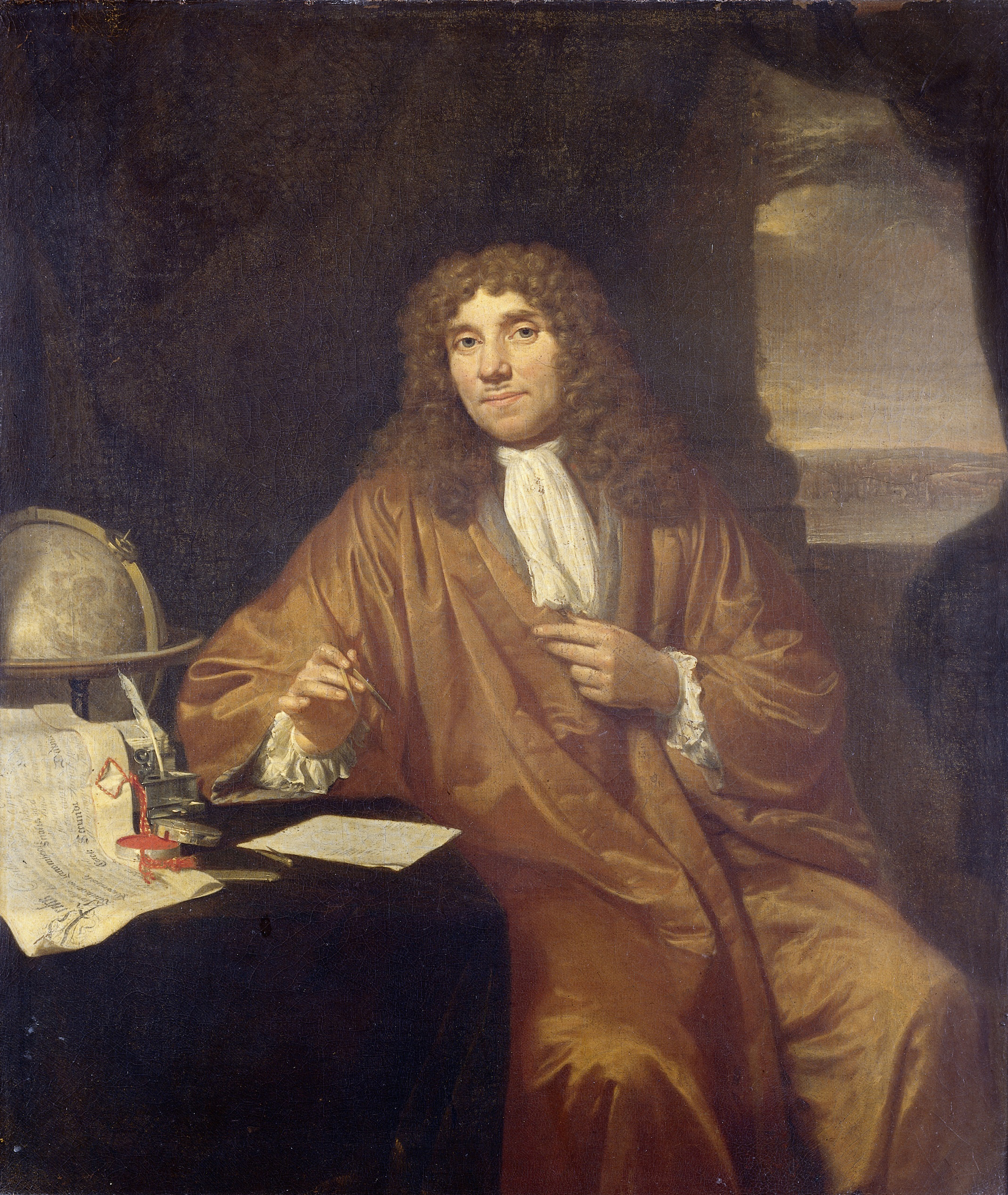
The living proof came from a Dutch draper named Antonie van Leeuwenhoek. Inspired by Hooke's book, he ground his own tiny, powerful lenses and, in the 1670s, turned them on pond water, rainwater, and the scrapings from his own teeth. There, swimming and darting, were the "animalcules" no one had ever seen: protozoa and bacteria, the first microorganisms ever observed. It was the same restless century that produced other strange episodes in the history of medicine and the mind, from the invention of nostalgia as a fatal disease in 1688 to a philosophical riddle about blindness and sight posed that same year.
Even then, seeing the creatures was not the same as blaming them for disease. That last step took another two centuries. Only in the 1860s and 1870s did Louis Pasteur and Robert Koch assemble the evidence that specific microbes cause specific illnesses, finally turning Varro's throwaway line into something the world could no longer outvote.
Prescient, not scientific
It is tempting to crown Varro as the man who saw it all coming, and the internet usually does. The more honest reading is smaller, and arguably more human. He noticed a real pattern, that swamps sicken people, and offered an explanation that happened to point in the right direction. He did not test it, could not have tested it, and built nothing on it. Calling that "germ theory" flattens the difference between a lucky intuition and the centuries of painstaking work it took to prove one.
What the line really shows is that the right idea can exist long before the tools to confirm it, and that being early is not the same as being believed. Varro had the thought. It took seventeen centuries, a Dutchman's homemade lenses, and two more centuries of laboratory evidence before the rest of the world caught up to a sentence buried in a book about farming.
The Bottom Line
- Varro really did describe invisible, disease-causing creatures in a farming manual around 37 BC.
- It was a prescient guess, not germ theory: he could not see, test, or prove it, and built nothing on it.
- Miasma (“bad air”) theory dominated instead, for roughly 1,900 more years.
- Microbes were first seen in the 1670s and only tied to disease in the late 1800s, by Pasteur and Koch.
Sources
- Varro, De re rustica I.12 (c. 37 BC), Latin text and translation via Wikipedia: De re rustica.
- "Marcus Terentius Varro," Wikipedia.
- On Varro's animalia quaedam minuta and the etiology of disease, PubMed.
- "The History of Germ Theory," Royal College of Physicians of Edinburgh.
- Antonie van Leeuwenhoek, Britannica.