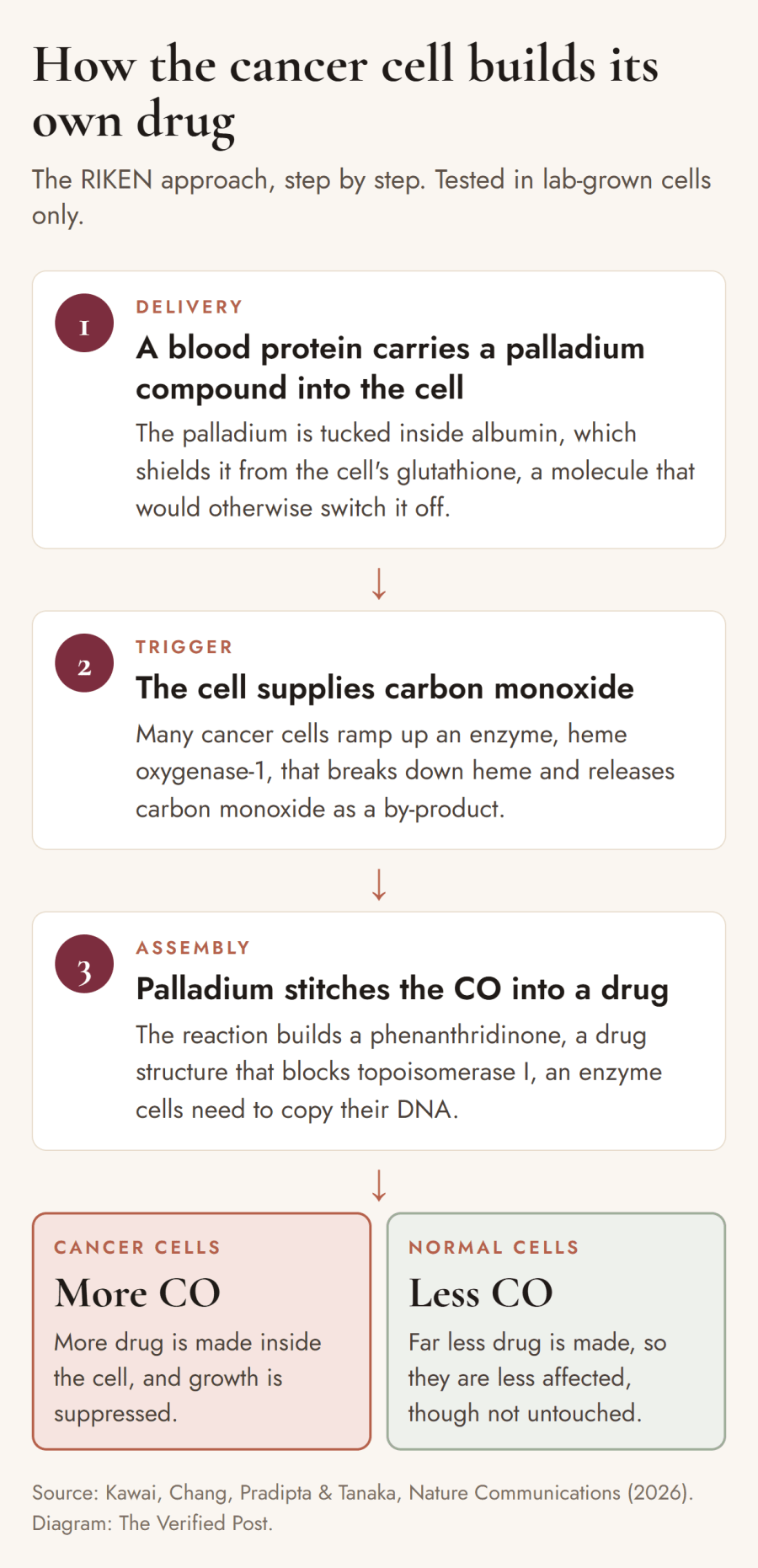
The study behind this one is real, and it's clever. A team at RIKEN and the Institute of Science Tokyo found a way to use a gas that cancer cells overproduce, carbon monoxide, as a raw ingredient. Their compound slips into the cell, grabs that carbon monoxide and uses it to assemble a cancer drug on the spot. The more carbon monoxide a cell makes, the more drug it ends up building against itself.
The viral post says scientists in Japan have figured out how to make cancer cells poison themselves with a toxin that reacts with carbon monoxide, and that normal cells were unharmed. The core idea is right, but the post oversells it. Everything happened in cells grown in dishes. The authors themselves describe the cell-killing effect as modest. And the normal cells they tested were not unharmed. They were affected less, at roughly a third of the potency.
Why carbon monoxide?
Carbon monoxide is best known as the deadly gas from car exhausts and faulty boilers, but the body makes small amounts of it all the time. An enzyme called heme oxygenase-1 breaks down heme, the iron-carrying part of haemoglobin, and releases carbon monoxide along with iron and a green pigment. At low levels the gas works as a signalling molecule.
Tumours are often under heavy chemical stress, and many cancer cells respond by turning up heme oxygenase-1. That means they produce more carbon monoxide than healthy cells. Researchers have mostly treated that as something to detect. The RIKEN team, led by chemist Katsunori Tanaka, wanted to use it as a building block instead.
How the trick works
The chemistry starts with palladium. Certain palladium compounds can take a molecule of carbon monoxide and use it to close a ring, producing a structure called a phenanthridinone. Some phenanthridinones are drugs: the one the team aimed for blocks topoisomerase I, an enzyme cells need to manage their DNA as they copy it.
The catch is that cells are full of glutathione, a molecule that latches onto palladium and switches it off. So the team hid the palladium inside albumin, the most common protein in blood plasma, anchoring it in one of albumin's water-repelling pockets. In the protein's shelter the catalyst survived, and cells took the whole package in.
What the experiments showed
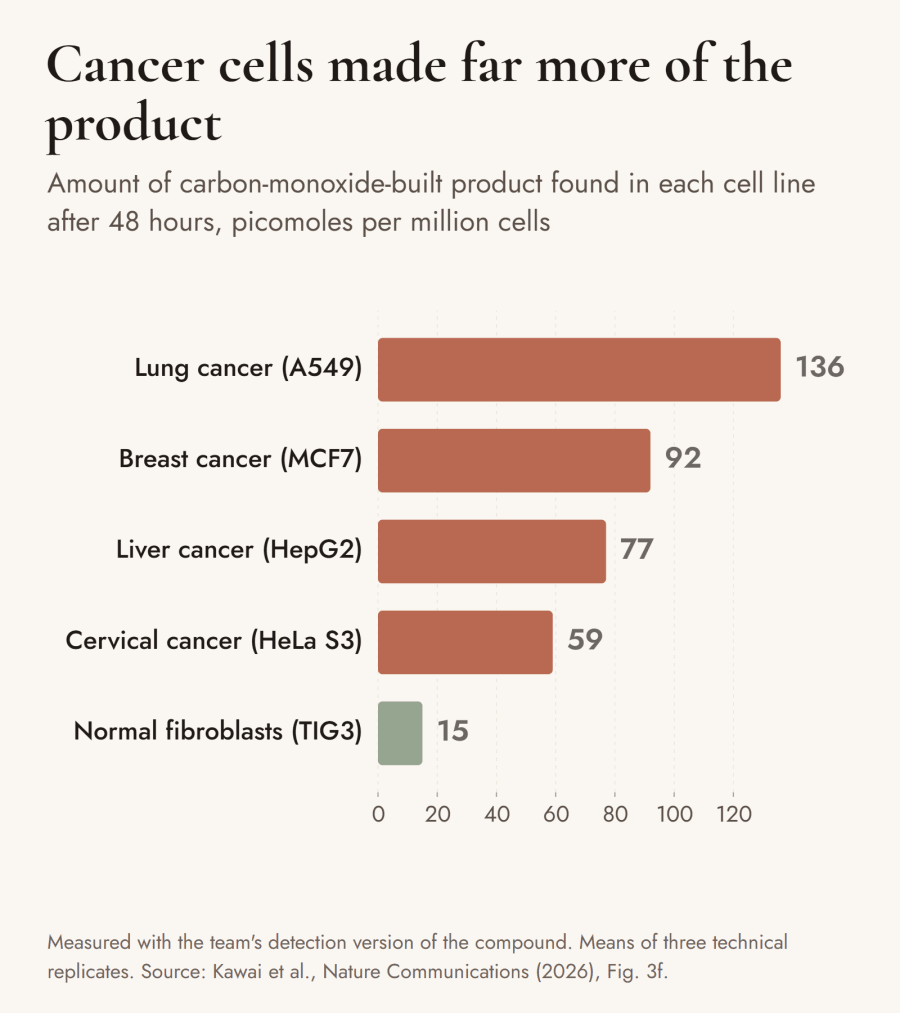
First the team tested a version of the compound built to glow, so they could measure how much product each cell made. After 48 hours, four human cancer cell lines (lung, breast, liver and cervical) had produced four to nine times as much as a line of normal fibroblasts, the connective-tissue cells the team used as its healthy comparison.
Then they switched to the drug-making version. In liver cancer cells it produced the topoisomerase blocker inside the cells, and it cut their viability in half at a concentration of about 14 micromolar. Normal fibroblasts needed about 37.5 micromolar for the same effect. That is a real difference, about threefold, but the paper calls it a "modest therapeutic window".
Two further tests support the carbon-monoxide explanation. When the team blocked heme oxygenase-1, the compound became much less toxic to the cancer cells. And when they exposed the compound to carbon monoxide gas before adding it to normal fibroblasts, it became more than twice as toxic to them. In other words, the normal cells were spared mainly because they had less carbon monoxide to work with, not because they were immune. In a 12-day test, the compound also significantly reduced the number of colonies breast cancer cells formed, at doses as low as 5 micromolar.
Although the associated cytotoxicity is modest, the approach nonetheless suppresses cancer cell growth.
— Kawai, Chang, Pradipta & Tanaka, Nature Communications, 2026
What the post says
Normal cells were unharmed in lab tests.
What the paper shows
Normal fibroblasts were harmed too, at about three times the dose that halved liver cancer cells' viability. The authors call the gap modest.
The study in numbers
What hasn't been tested yet
No animal or person has been treated. The closest the study comes is a safety check outside the body. Because blood also carries carbon monoxide, there was a risk the compound could assemble the drug while travelling to a tumour. In fresh mouse blood kept at body temperature for four hours, it formed no detectable product. The authors think that is because the gas in blood is locked up by haemoglobin, while cancer cells release a steady supply of free carbon monoxide.
RIKEN says the next step is animal studies, to see whether the compound reaches tumours, makes enough drug and leaves healthy tissue alone. Tanaka's lab has taken similar "make the drug at the tumour" ideas into mice before. In 2021 it reported a drug precursor switched on by acrolein, another molecule cancer cells produce, that shrank tumours in mice, and in 2022 it assembled anticancer drugs near tumours in mice using metal catalysts. This carbon-monoxide version has not reached that stage.
The essentials
- The study is real: Kawai, Chang, Pradipta and Tanaka, Nature Communications, published 17 September 2026.
- It uses cancer cells' own carbon monoxide to assemble a drug inside them, with a palladium compound carried by albumin.
- All results come from cells in dishes. No animals or patients were treated.
- Normal cells were less affected, not unaffected: about three times less sensitive in the key test.
- It is an early proof of concept, not a treatment, and nobody should change their care because of it.
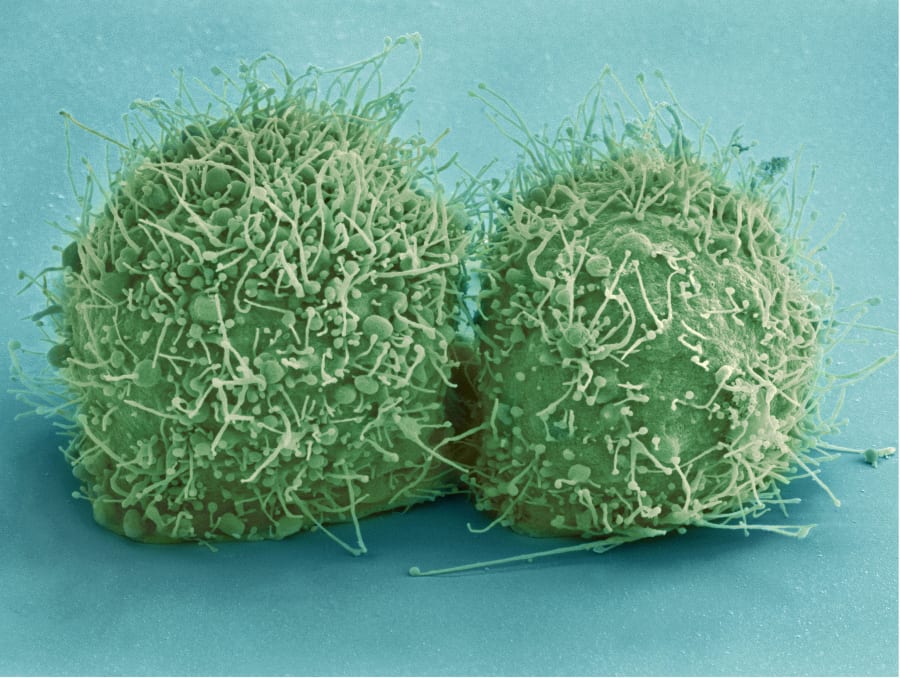
The image attached to the viral post, a cluster of glossy spheres beside a Japanese flag, appears to be an illustration, not a picture from the research. The real study is less dramatic than the caption and more interesting. Getting cancer cells to supply the raw material for their own treatment is a genuinely new trick. Whether it works anywhere other than a dish is the question the next round of experiments has to answer.
Related: Is the "cancer-causing chemical" on your Pap smear brush dangerous? · The 1922 discovery that turned diabetes from fatal to manageable
Sources
- Kawai M, Chang T-C, Pradipta AR, Tanaka K. "Harnessing endogenous carbon monoxide for cancer-selective drug synthesis", Nature Communications (2026). DOI: 10.1038/s41467-026-77616-8.
- RIKEN, "がん細胞が生む一酸化炭素から抗がん剤合成に成功" (press release, 29 September 2026), and the English release "Cancer cells killed with their own carbon monoxide" via EurekAlert!
- RIKEN, "Cancer cell chemical activates anti-tumor drug to avoid side effects of conventional therapy" (2021).
- RIKEN, "Cancer therapy using on-site synthesis of anticancer drugs" (2022).
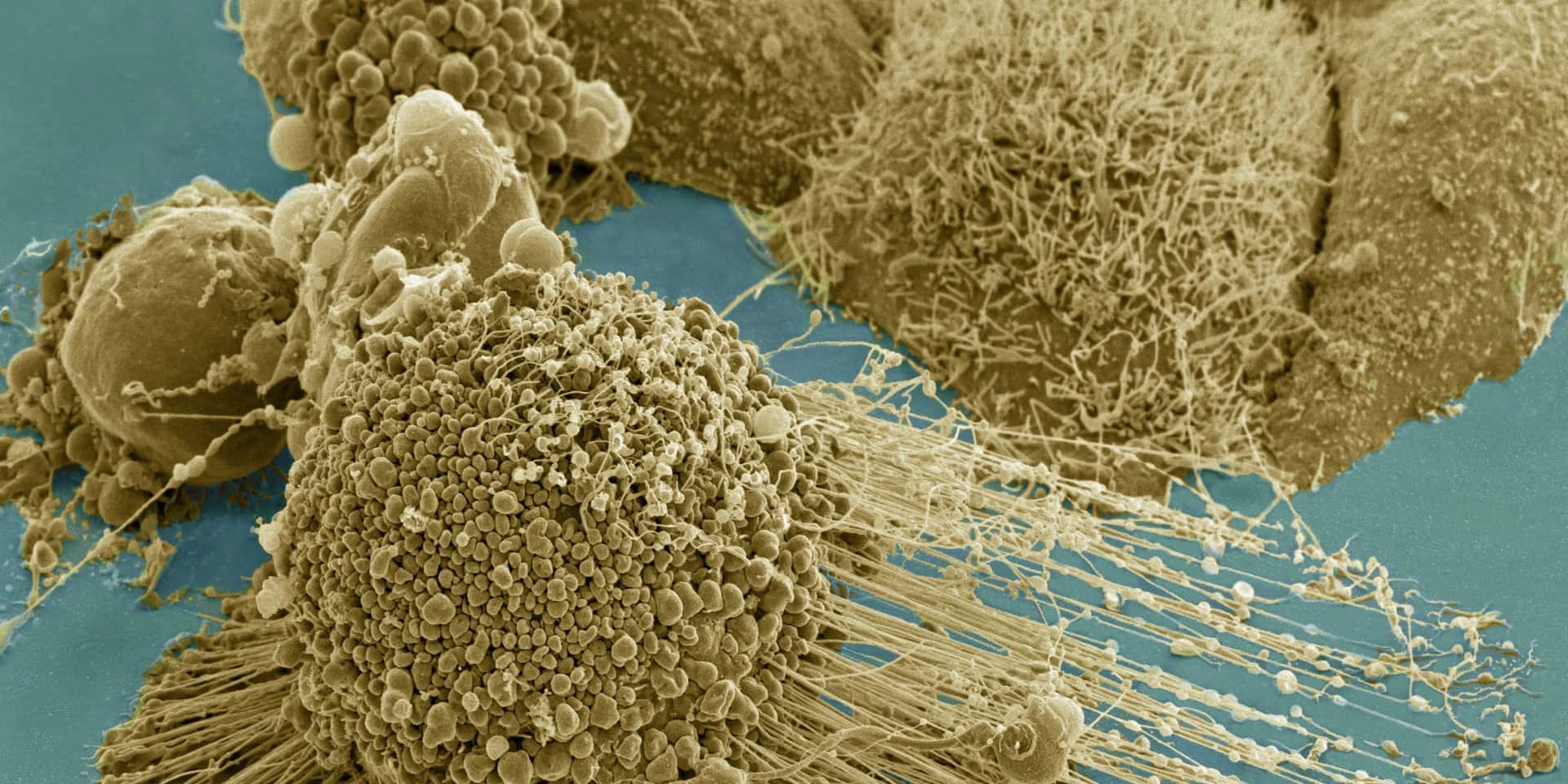
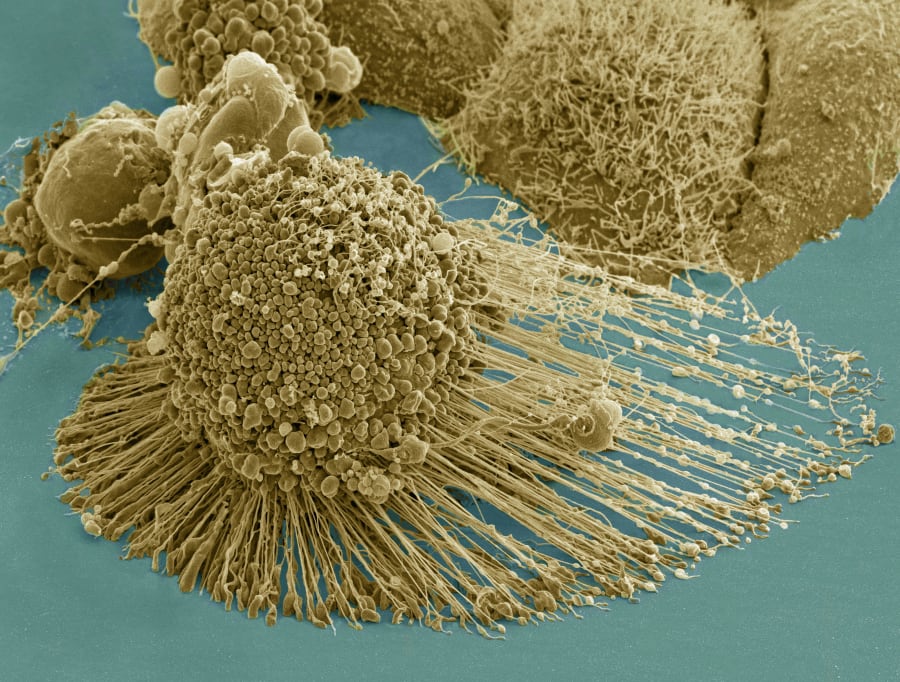
- Images: National Institutes of Health, public domain, via Wikimedia Commons: HeLa-IV and HeLa-V. Diagram and chart, The Verified Post.