Topic
Technology
3 Articles Published
OpenAI Promised to Save Humanity. Then It Removed the Profit Cap.
OpenAI began as a nonprofit “for all humanity.” A decade later it's an ~$852B company with no profit cap. Here's what's true — and what's just anger.
 By Akber BukhariSep 5, 2026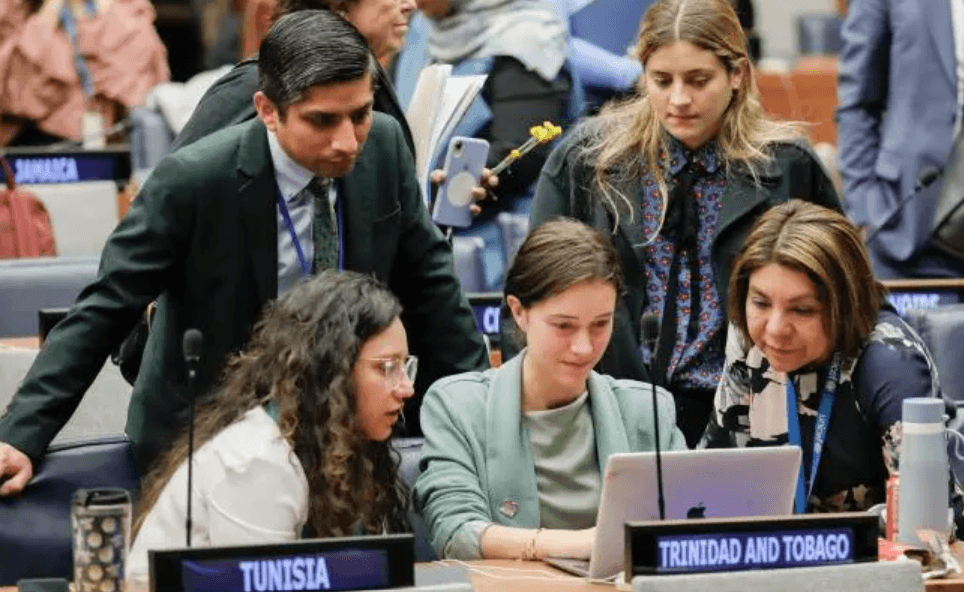
What Did UNESCO Find About AI and Gender Bias?
When UNESCO researchers tested some of the world's most widely used AI language models, they were not looking for subtle bias. They found something far less subtle. Women were described as working in domestic roles four times as often as men. Male names were consistently linked to words like "business," "executive," and "career." Female names were linked to "home," "family," and "children". In nearly 20% of responses from one model, women were portrayed as sex objects or described as property of their husbands. The study examined GPT-3.5 and GPT-2 by OpenAI and Llama 2 by Meta — and found unequivocal evidence of bias against women in every single model tested. This is what the research actually found, why it matters, and what UNESCO says needs to happen next. Read the full story below.
By Akber BukhariJun 25, 2026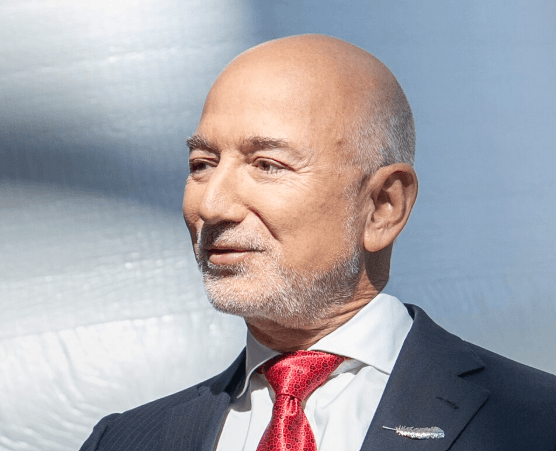
Jeff Bezos Sparks Backlash Over AI vs. Human Water Use
"Biological limits are real, but digital potential is infinite." That is what Jeff Bezos told a packed audience at VivaTech 2026 in Paris — and it is the line that has since ignited a fierce online debate. Speaking about the resources required to power AI data centers, Bezos argued that human water consumption may need to take a back seat to the cooling needs of AI infrastructure. "Sometimes you've got to prioritise intelligence that will save us over biology," Bezos said, framing the trade-off as a necessary step toward a future where advanced AI could solve the very resource problems its development creates. Critics were quick to push back, calling the logic circular — and, for many watching from water-stressed regions, deeply tone-deaf. Here is the full quote, the context behind it, and why it has people talking. Read the full story below.
By Akber BukhariJun 20, 2026