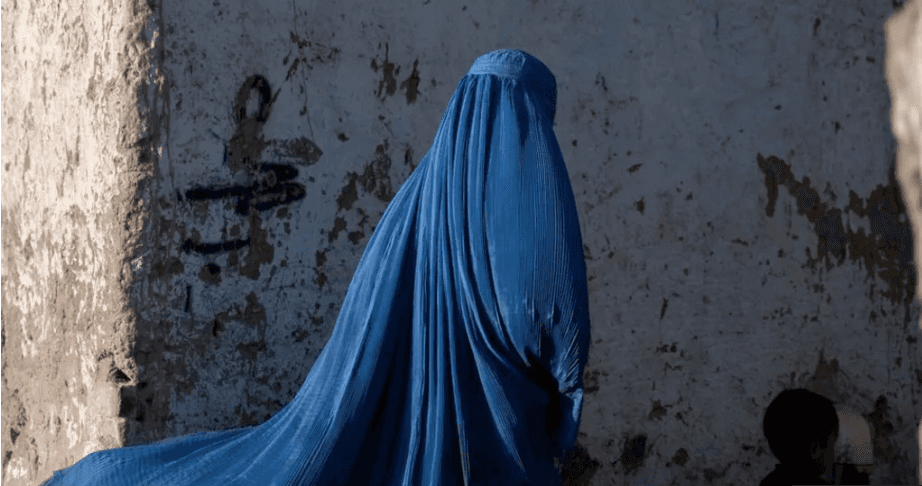
The Taliban did not just take Afghan women's education. They took their bodies too.
Since returning to power in 2021, the Taliban administration has issued a steady, escalating series of restrictions targeting women's access to healthcare — culminating in a ban on contraception that has removed one of the last remaining tools Afghan women had to make decisions about their own survival.
The consequences are not theoretical. Maternal deaths in Afghanistan are projected to rise by 50% in 2026. Women are giving birth without doctors, miscarrying without treatment, and dying from conditions that a single prescription could have prevented.
This is not collateral damage. This is the point.
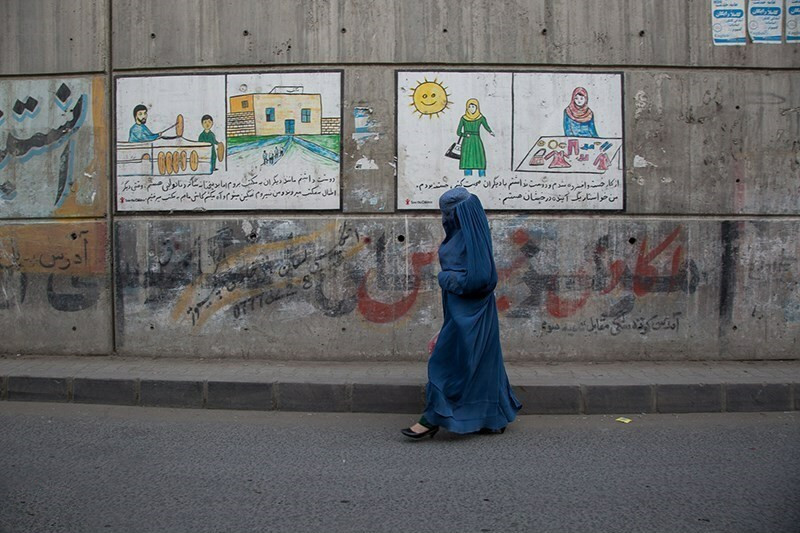
"Soon after the Taliban took power in 2021, they banned high school for girls. We already knew then, that sooner or later they will close universities as well, because naturally there will be no high school graduates to join the universities. And this is exactly what happened. The Taliban officially banned girls and women from attending universities and from working in national and international NGOs. In a matter of seconds, we lost everything we had worked for our entire lives." ~ Sania, a woman in Afghanistan
The Ban That Started It All — Taliban's Contraception Policy Explained
You need to know what took from Afghan women and in what order if you want to know the situation in 2026.
In August 2021, when the Taliban took power again, they did not issue a single blanket ban on women's rights at that time. It had a much more systematic outcome than this — a series of increasing restrictions, one upon another, each one blocking an escape route that was left open for the one before.
By the time the contraception ban came down, Afghan women had lost everything and many observers had ceased keeping score. It's designed to do just that.
What the Contraception Ban Actually Prohibits
The bans on the use of contraception by the Taliban are not prescribed in one written policy document. They function, however, as a mixture of formal bans, pharmacy regulations, and the removal of the health care system that used to provide access to contraceptives.
In reality, this has the following implications for women in Afghanistan. In much of the country, contraceptive pills have come off the pharmacy shelves. Other types of family planning, such as intrauterine devices and injectable contraceptives, which were once available at public health clinics, are not available in most provinces today. In most settings, women health workers, who were previously involved in the distribution of contraceptives at the community level, are no longer allowed to do so as access to clinics is always restricted in rural Afghanistan.
The effect is not just that contraception is less available. It's that for millions of Afghan Women it is completely unavailable.
Why Contraception Access Is a Life-or-Death Issue
In the debate over contraception restrictions, the debate is often focused on the right of women to choose whether and when to become pregnant. This is the right and significant framing. It is also incomplete.
In a country like Afghanistan, contraception is no longer only a family planning measure. It's a survival mechanism. Maternal mortality rate in Afghanistan is one of the worst in the world, even before the Taliban came back into power. Even in the past, pregnancy in Afghanistan, especially in rural areas, has been a risky endeavor.
High-risk pregnancies are those with complications from the previous birth, underlying health conditions or pregnancies too close together, and have a risk which, without adequate medical care, is often life-threatening.
In this context, contraception is the way women prevent pregnancies that are likely to be fatal. It is not simply choice that is taken away when it is removed. It takes away the main mechanism by which an Afghan woman would be able to aid her own survival from a setting where health care was woefully inadequate.
The Sequence of Restrictions That Led Here
The contraception ban wasn't a stand-alone issue. It came as the next step in a line of marches, like the rest of: Girls' secondary education banned in 2021. In 2022, women were denied most kinds of jobs. Female NGO workers banned from operating in 2022. March 2022, women were prohibited from accessing universities. Women not allowed into parks, gyms, or public spaces. Lowering, then prohibiting, female healthcare workers to most jobs.
Every one of the restrictions eliminated a support system that Afghan women relied upon. By the time that access to contraceptives was effectively outlawed, the female doctors who might have dealt with the complications, the female community health workers who might have supplied alternatives, and the international NGOs who might have filled the voids were banned or already were too restricted to be useful.
The contraception ban was not a complete stand-alone measure. It was the next step in a long march that had been under way for years.
What No Doctors Actually Means — The Collapse of Afghan Maternal Healthcare
There's a phrase that pops up a lot when we talk about the healthcare crisis in Afghanistan — women are giving birth without doctors. You’ll find it in UN reports, NGO briefings, and social media posts that rack up hundreds of thousands of views.
And yes, it’s true. But on its own, it doesn’t tell the whole story. This phrase oversimplifies a complex issue that needs to be looked at from multiple angles — it’s not just about the absence of doctors, but also about why they’re missing, what that absence means for medical care, and the impact on the women who desperately need help in a country where the nearest alternative could be hours away or might not even exist.
How the Female Doctor Ban Works in Practice
Afghanistan's healthcare system, even when it was functioning at its best, relied heavily on female healthcare workers to care for female patients. This wasn’t just a preference; it was a fundamental reality shaped by the country’s social and cultural landscape, where many Afghan women felt unable or unwilling to seek treatment from male doctors. Over the years, and with considerable international support, the system had developed around female doctors, nurses, and community health workers, who became the main point of contact for women’s healthcare.
The Taliban's restrictions on female employment didn’t just abstractly push women out of the workforce; they specifically removed the very individuals that half of Afghanistan's population relied on for medical care.
Female doctors have been largely banned from practicing in most settings. Female nurses face significant restrictions. Female community health workers — the vital frontline providers who reached women in remote villages — have been mostly eliminated. What’s left is a healthcare system dominated by male providers, serving a female population that often can’t access these services due to the requirement for a male guardian to accompany them to any medical appointment.
This guardian requirement isn’t just a minor inconvenience. For women whose husbands are deceased, absent, or unwilling, it becomes an insurmountable barrier. For those facing obstetric emergencies — where every minute counts — it can be a death sentence.
Giving Birth Without Medical Assistance — The Real Numbers
Before the Taliban's return, Afghanistan was already struggling with one of the lowest rates of skilled birth attendance in the world — that is, the percentage of births overseen by trained healthcare professionals. According to data from WHO and UNICEF during that time, only about 58% of births in Afghanistan had skilled health personnel present, which is significantly lower than the global average. In rural areas, that number was even worse.
These figures reflected years of international investment and efforts to develop healthcare within the country. While they weren't great by global standards, they did show progress — tangible, documented progress achieved over two decades.
Unfortunately, that progress has been undone. The bans on female healthcare workers, the closure of clinics, and the collapse of international funding following the Taliban's takeover have drastically reduced the rates of skilled birth attendance. Current estimates from humanitarian organizations working in Afghanistan indicate that in many parts of the country, most births are now happening without any trained medical professional present.
In practical terms, this means women are giving birth on the floors of their homes, with only family members who lack medical training to assist them. It leads to serious obstetric complications — like hemorrhage, eclampsia, and obstructed labor — going untreated. These deaths are not just tragic; they are predictable and preventable, yet they continue to occur.
Miscarrying Without Treatment
Miscarriage management is a fundamental aspect of reproductive healthcare. When a miscarriage is incomplete—meaning that not all pregnancy tissue has been expelled—it necessitates medical attention. If left untreated, it can lead to infections, and without addressing those infections, sepsis can occur. Sepsis, without antibiotics and proper care, can be fatal.
This situation isn’t complicated from a medical standpoint. It’s one of the most recognized and treatable issues in obstetrics. What’s needed is a trained healthcare provider, basic surgical skills or medication, and antibiotics. These resources are available, yet a significant and growing number of women in Afghanistan cannot access them.
Women in Afghanistan are losing their lives due to incomplete miscarriages. This isn’t because the necessary treatments aren’t available; it’s because the healthcare system has been restructured in a way that deliberately excludes them.
International Response — Who Is Watching and What Are They Doing
The international community hasn’t exactly been quiet about Afghanistan. They've made statements, passed resolutions, held discussions, and released reports. They've shown concern, deep concern, and even grave concern. They've urged the Taliban to honor women's rights, change its policies, and allow humanitarian aid to flow in.
Yet, the Taliban hasn’t budged on its policies.
This part isn’t meant to argue that international engagement is pointless. Instead, it’s a genuine effort to evaluate what that engagement has accomplished and what it hasn’t — and to highlight the disconnect between the response and the current reality.
The UN Position and Its Limitations
The United Nations has been one of the most outspoken organizations regarding the plight of women in Afghanistan. Agencies like UN Women, UNFPA, UNICEF, and WHO have all put together detailed reports on the healthcare crisis that Afghan women are facing. The UN Special Rapporteur on human rights in Afghanistan has released several reports that highlight the systematic restrictions imposed on these women. In 2023, the UN General Assembly adopted a resolution that voiced concern over the treatment of women and girls in the country. In the years that followed, UN bodies have kept up their efforts to document, report, and advocate for change.
However, documenting issues and taking action are two very different things. The Taliban doesn’t have a seat on the UN Security Council, nor are they signatories to the agreements that UN resolutions reference. They aren’t reliant on UN approval for their governance within the country. The ways in which international pressure can lead to policy changes in a place like Afghanistan are often limited, slow, and, in this case, have yet to yield any results.
This isn’t meant to criticize the UN as an institution; rather, it’s a recognition of the inherent limitations of institutional diplomacy when dealing with a government that has shown a consistent disregard for international perspectives.
Humanitarian Aid — What Is Getting Through and What Is Not
International humanitarian organizations — including the International Committee of the Red Cross, Médecins Sans Frontières, and various UN agencies — have maintained some operational presence in Afghanistan since 2021. The work they are doing is genuine, significant, and insufficient.
The ban on female NGO workers, issued in 2022, severely constrained the ability of international organizations to deliver services to Afghan women. Female aid workers are the primary mechanism through which humanitarian organizations reach women in conservative communities where contact with male workers is restricted. Removing them does not just reduce organizational capacity. It severs the specific connection through which female beneficiaries could be served.
Some organizations have continued operating through negotiations with local Taliban authorities that allow limited exceptions. Others have suspended operations entirely rather than operate under conditions that effectively prevent them from serving the population they came to help. The result is a patchwork of partial access that leaves significant portions of the country's most vulnerable women unreached.
Funding is the second constraint. International donor fatigue — the documented phenomenon by which humanitarian crises that persist beyond a certain point begin to attract declining funding as attention shifts to newer emergencies — is a real factor in Afghanistan. The crisis has been running for five years. Donor attention has moved. The funding has not kept pace with the need.
Diplomatic Engagement — The Record So Far
Multiple governments have been vocal about the plight of Afghan women in both bilateral and multilateral diplomatic discussions. The United States, along with European Union member states, the United Kingdom, Canada, and Australia, have all put out formal statements denouncing the Taliban's treatment of women. Many have even taken steps to impose sanctions on key figures within the Taliban leadership. Yet, the Taliban continues to uphold its policies without change.
This isn’t a call for disengagement. The impact of diplomatic pressure, sanctions, and international isolation can be long-lasting, even if it’s tough to see immediate results. However, we need to be honest about where we stand: after five years of diplomatic efforts, not a single major Taliban policy affecting women has been reversed.
The tragic reality is that women are dying in Afghan homes from preventable childbirth complications, and it’s not because the international community has remained silent. They are suffering because the actions taken so far haven’t been enough to alter the situation on the ground.
What Happens Next — The Long-Term Consequences of Erasing Women From Healthcare
The projection of a 50% maternal mortality rate by 2026 reflects the current situation. However, it fails to capture the broader implications for a society when an entire gender is systematically denied access to healthcare—not just for a year or a political term, but potentially for an entire generation.
This section aims to explore that very question. It’s not only about what’s happening now, but also about the long-term effects. The repercussions of the Taliban's actions on Afghan women's healthcare will linger long after their policies are lifted. These consequences will echo for decades, and grasping this ongoing impact is crucial to understanding why our response must be as urgent as the scale of the harm being inflicted.
The Generational Health Deficit
When women are cut off from healthcare during their reproductive years, the fallout isn't just felt by them. It ripples out to the children they carry and eventually bring into the world. Maternal malnutrition can lead to low birth weight babies who are more susceptible to illness and developmental hurdles. If mothers have untreated infections during pregnancy, those risks can pass on to their newborns. Without antenatal care, issues that could be identified and managed—like gestational diabetes, preeclampsia, or problems with fetal positioning—can catch everyone off guard at delivery, impacting both mother and child.
Right now, the children being born in Afghanistan—those whose mothers have had no antenatal care, who are delivering without skilled help, and in homes lacking clean water or basic medical supplies—are starting their lives at a significant health disadvantage that will influence their futures for years to come. This isn’t just a guess; it’s a well-documented trend seen in similar public health situations throughout history.
Afghanistan isn’t merely losing mothers; it’s also determining the health path of the next generation even before they take their first breath.
The Healthcare Workforce Collapse
Afghanistan's female healthcare workforce took decades to develop. It was built through medical education programs, international training initiatives, and the gradual accumulation of institutional knowledge and professional skills that can't be rushed. Now, it's being dismantled in just a few years.
Female medical students have been barred from universities, and those female doctors who are currently practicing are forbidden from working. Female nurses and community health workers have been let go. The pipeline that was meant to nurture the next generation of female healthcare providers has been completely cut off.
If — or when — Afghanistan's political landscape changes and restrictions on women are lifted, the healthcare workforce needed to support Afghan women will be nonexistent. It will have to be rebuilt from the ground up, all while facing a population whose health outcomes have worsened significantly in the meantime. Rebuilding healthcare capacity typically takes years, and under the challenging conditions Afghanistan will encounter, it will take even longer.
The harm being inflicted now isn't just a present issue; it's a future crisis being solidified, year after year, as the workforce that is absent today becomes the workforce that can't be quickly summoned tomorrow.
Mental Health — The Crisis Within the Crisis
The physical maternal mortality rate is just one glaring aspect of the healthcare crisis that Afghan women are facing. But it’s far from the only issue. The mental health toll of living under such strict conditions—where women can’t leave home without a male guardian, can’t work, can’t pursue education, and can’t seek medical care on their own—is profound and well-documented. According to the limited mental health data from organizations working in the region, depression, anxiety, and post-traumatic stress disorder are widespread among Afghan women.
Even before 2021, Afghanistan's mental health infrastructure was barely there, and since then, it has all but vanished for women. Those who are struggling with their mental health under Taliban rule find themselves with nowhere to turn, no professionals to consult, and no reliable access to medication.
Mental health issues during pregnancy can lead to serious complications, affecting both maternal well-being and birth outcomes. The crises surrounding mental health and maternal health are intertwined; they exacerbate each other in a population that has already lost all support.
My Thoughts
That 50% figure isn’t just a number; it represents a woman in a village in Kunduz, giving birth on a bare floor, bleeding heavily, with no trained medical help nearby. It’s a woman in Kandahar, suffering a miscarriage, battling an infection that could be easily treated with penicillin, but she dies from sepsis because the pharmacy won’t give her the medicine without her husband present, and he’s nowhere to be found. It’s a woman in Kabul who finds herself pregnant again, despite not wanting to be, simply because the contraception that could have prevented this situation is no longer available.
These aren’t just statistics; they were real people with names, families, and lives that the international community has spent two decades and billions of dollars trying to improve. They are losing their lives to preventable causes, in numbers that could have been avoided, all because of choices made by those who understood the consequences yet went ahead anyway.
The only question left is whether our response to this reality will finally be proportional to the scale of the tragedy.
Read next: Fariba Hashimi, the Afghan cyclist who won Asian Games silver, and the killing of Khalida Chandio.