The photo shows a row of Waorani elders and leaders in a plain courtroom in Ecuador's Amazon, fists raised, grinning. It's from 2019, and it captured one of the most celebrated Indigenous legal victories of the past decade.
The viral caption attached to it says an Amazon tribe won a lawsuit against Big Oil, saving millions of acres of rainforest. The win was real. But nearly every other detail in that sentence needs fixing: the Waorani sued their own government, not an oil company; the ruling covered about half a million acres, not millions; and seven years later, the same land is back in Ecuador's oil plans.
Here's what actually happened, and why the story isn't over.

Who the Waorani are
The Waorani are an Indigenous people of Ecuador's Amazon. According to Ecuador's Constitutional Court, they were first contacted by the outside world only around half a century ago, and the Court has treated the Waorani of Pastaza as a "people of recent contact" deserving extra protection.
Their territory sits on top of something the Ecuadorian state badly wants: oil. Oil is one of Ecuador's biggest sources of revenue, and successive governments have tried to push drilling deeper into the southern Amazon.
The auction that started it
In 2012, Ecuador ran what it called a consultation with Indigenous communities in the south-central Amazon before dividing the region into oil blocks for an international auction. One of those blocks, Block 22, lay over Waorani land in Pastaza province.
The Waorani said that consultation was a sham. According to the court that later heard the case, as reported by Al Jazeera, meetings were called with too little notice, too few elders were present, there was no real dialogue, and there were no clear translations into the Waorani language. Community members testified that the meetings promoted oil extraction rather than explaining its risks.
Ecuador's constitution lets the state develop oil on Indigenous land, but it requires the communities affected to be properly consulted first: what's known as free, prior and informed consultation.
The lawsuit
On February 27, 2019, Ecuador's Ombudsman's Office, the Waorani organization of Pastaza and 16 Waorani communities filed a constitutional "protection action." The defendants weren't oil companies. They were the Ministry of Energy and Non-Renewable Natural Resources, the Ministry of Environment and the state attorney general's office. One of the lead plaintiffs was Nemonte Nenquimo, the Waorani leader who helped organize the case.
The hearing opened in April 2019, and on April 26 a three-judge panel in Pastaza ruled for the Waorani: the 2012 consultation had violated their collective rights to self-determination and prior consultation. The written judgment followed on May 9, ordering the state to repeat the consultation properly if it wanted to proceed. The judges did not find a violation of the rights of nature, because no oil activity had yet begun.
The government appealed. On July 11, 2019, Pastaza's provincial court rejected the appeal, upheld the ruling, extended it to more Waorani communities, and ordered officials to be trained and investigated.
The government's interests in oil is not more valuable than our rights, our forests, our lives.
— Nemonte Nenquimo, Waorani leader, after the April 2019 ruling (Al Jazeera)
The ruling covered Block 22, which spans roughly 180,000 hectares, or about half a million acres. That's the figure used by the Goldman Environmental Prize, which honored Nenquimo in 2020; that same year she was named to TIME's list of the 100 most influential people.
What the viral post gets wrong
The viral claim
An Amazon tribe won a lawsuit against Big Oil, saving millions of acres of rainforest.
What the record shows
The Waorani won in 2019, but against Ecuador's government over a flawed consultation. The ruling covered about 500,000 acres, and Block 22 has reappeared in Ecuador's 2026 oil plans.
"Against Big Oil." No oil company was a defendant. The case targeted the state's consultation process before any company had been awarded the block.
"Millions of acres." The ruling protected roughly half a million acres. The "millions" may come from a related figure: the government's plans for the region covered 16 oil blocks spanning more than 7 million acres of Indigenous territory, and campaigners argued the precedent could affect all of it. But the court's order applied to Block 22.
"Saving." The ruling didn't ban oil drilling in Waorani territory forever. It voided the 2012 consultation and required a proper one before any new auction. Personally, I think this is the detail that matters most, because it's exactly where the story picks up again.
Seven years later: back on the table
The case went on to Ecuador's Constitutional Court, which selected it in 2020 to set national precedent. In August 2025, ruling on a separate complaint that the 2019 judgments hadn't been carried out, the Court found that the order to repeat the consultation couldn't currently be enforced, because the government had no active plan to auction Block 22; that the training of officials was only partly done; and that the deadline to discipline the officials responsible had passed. It stressed that the state would still have to consult the Waorani properly before any future project.
Then, on November 13, 2025, the Court issued its main ruling in the case, setting binding national standards for consultation with peoples of recent contact. Consultation must aim at consent, be culturally appropriate and in good faith, and the state must be willing to change or cancel a project in response. But the majority also held that, in exceptional cases and with reinforced justification, the state can still proceed without consent. A dissenting opinion argued that for recently contacted peoples, it should not be able to.
Meanwhile, the oil plans came back. In 2026, Ecuador announced new licensing rounds for the south-central Amazon and sub-Andean region, with a tender expected to open in December 2026 covering 18 blocks, according to the Ecuadorian outlet El Oriente. Waorani leaders and the outlet Mongabay report that Block 22 is included. In July 2026, Waorani communities told an Ombudsman's hearing in Daipare that they reject oil activity in the block, and accused the state of ignoring the 2019 rulings.
Where things stand
- The 2019 rulings in the Waorani's favor are final and still stand.
- Ecuador's Constitutional Court set binding consultation standards in November 2025, but allows exceptional projects without consent.
- Block 22 is reportedly part of a new oil licensing round expected to open in December 2026.
- Waorani communities have publicly rejected any oil activity in the block.
The Waorani case: key dates
- 2012Ecuador holds a consultation and divides the south-central Amazon into oil blocks, including Block 22.
- Feb 27, 2019The Waorani of Pastaza and Ecuador's Ombudsman file a constitutional protection action.
- Apr 26, 2019A Pastaza court rules the consultation violated the Waorani's rights, suspending the auction of their land.
- Jul 11, 2019The provincial appeals court upholds the ruling and widens it.
- 2020Nemonte Nenquimo wins the Goldman Environmental Prize and is named to the TIME 100.
- Aug 2025The Constitutional Court rules the re-consultation order can't currently be enforced, with no active plan for Block 22.
- Nov 13, 2025The Constitutional Court sets binding national standards on consultation with recently contacted peoples.
- 2026Block 22 reappears in Ecuador's new oil licensing plans; Waorani communities reject it at a July hearing.
So the Waorani did win, and it mattered: it forced a government to admit that a box-ticking meeting isn't consent, and it gave other Amazonian nations a precedent. What the viral caption misses is that in the Amazon, a court victory is rarely the end of the fight. It's usually just the round you won.
Read next: Greenland's IUD scandal: Denmark is now paying the women it wronged · The Navajo First Laugh Ceremony · How whooping cranes learned to migrate by following costumed pilots
Sources
- Corte Constitucional del Ecuador, selection order, Case 1296-19-JP (case history, 2019 rulings).
- Corte Provincial de Justicia de Pastaza, appeal judgment, July 11, 2019.
- Corte Constitucional del Ecuador, Sentencia 172-22-IS/25 (August 2025).
- AVL Abogados, summary of Sentencia 1296-19-JP/25 (November 13, 2025).
- Al Jazeera, "Indigenous Waorani win landmark legal case against Ecuador gov't" (April 26, 2019).
- Reuters, "Ecuador tribe wins legal battle over the Amazon" (July 12, 2019).
- Goldman Environmental Prize, Nemonte Nenquimo (2020); Britannica.
- Amazon Frontlines, appeal ruling report (July 2019; advocacy group that supported the plaintiffs).
- Infobae, report on Block 22's return (July 15, 2026); Mongabay Latam (July 6, 2026); El Oriente (2026).
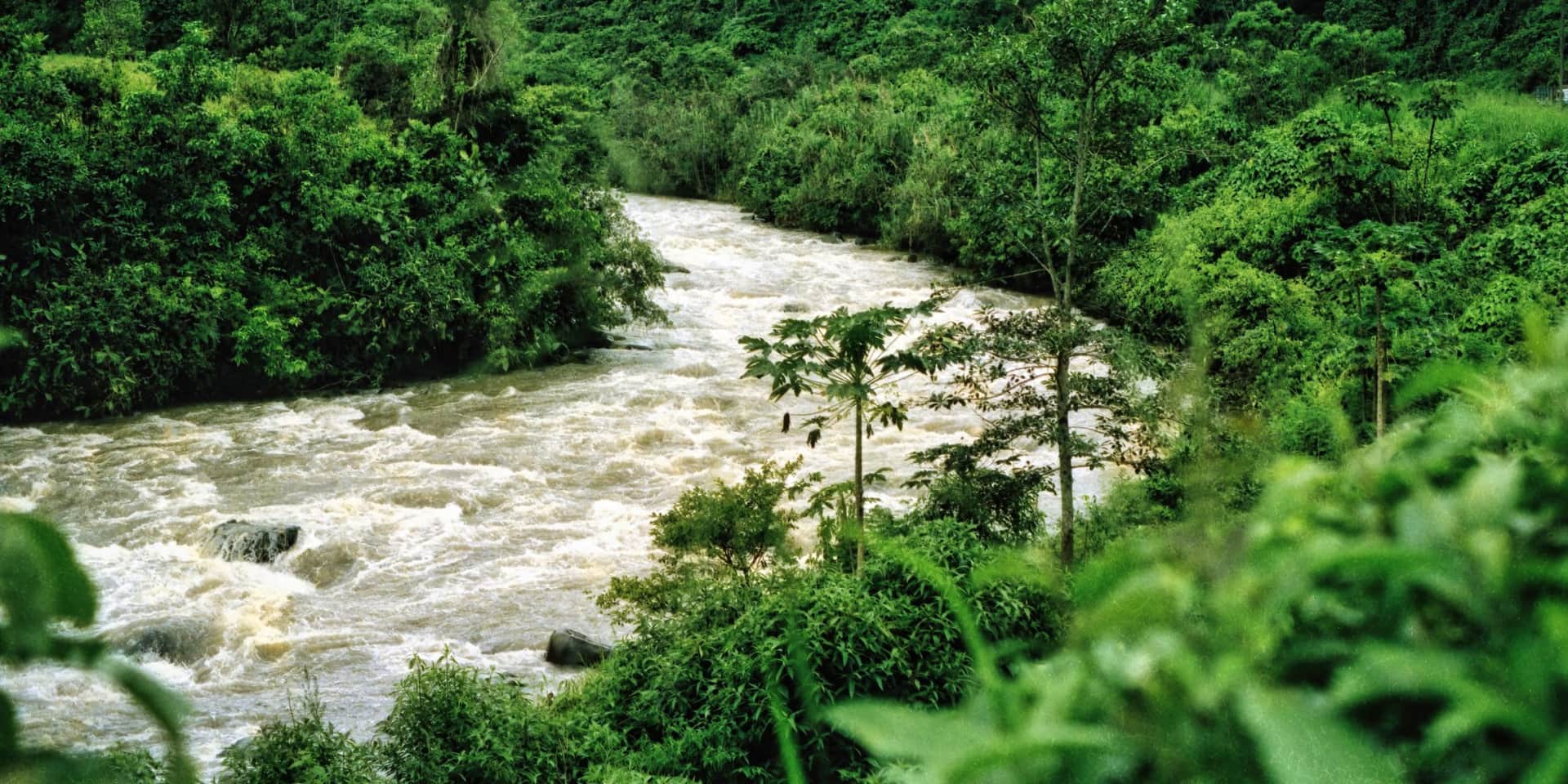
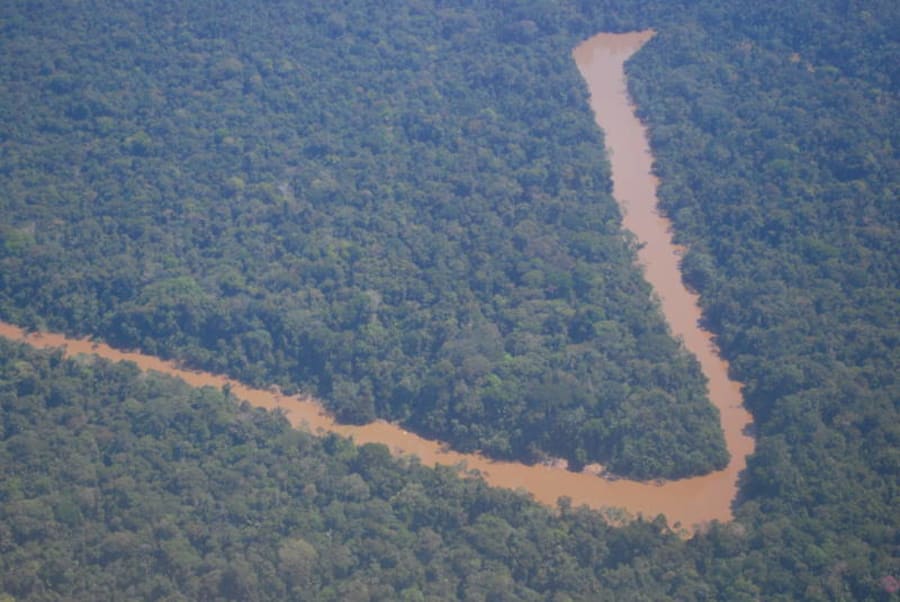
- Images: cover, Tom Fisk / Pexels (illustrative). Curaray River, Diego Tirira, Wikimedia Commons, CC BY-SA 2.0. Map, The Verified Post.