On 20 November 2002, a poet stood beside a coffin in Amsterdam and read to a funeral with no mourners. The man inside had died with no one to bury him. The poem, by F. Starik, addressed him as a man without papers or identity, and asked what he had been looking for and how much he had lost along the way.
That reading was the start of what the Dutch call de eenzame uitvaart, the lonely funeral. A viral post now describes the practice like this: when someone in the Netherlands dies with nobody to attend the funeral, a poet comes anyway, pieces together the stranger's life from whatever was left behind, and reads a poem beside the coffin. The core of that is true. Two details need correcting. It does not happen everywhere in the Netherlands, only in the cities where poets and local officials have set it up. And it did not begin in Amsterdam. It began six months earlier, in Groningen.
Who ends up with a lonely funeral
Dutch law does not let a body go unburied. Under article 21 of the Burial and Cremation Act, if nobody arranges a funeral, the mayor of the municipality where the body is found must do it. The city tries to recover the cost from the estate. When there is nothing to recover, the municipality pays.
In Amsterdam, that work fell for about 20 years to a small team that included a civil servant named Ger Fritz. By his own account, written for the foundation's latest annual report, his office received roughly 500 death reports a year. For about half, investigators found relatives who took over. The city arranged the other 250 or so itself. At the end of that line was a smaller group with no one at all: about 15 people a year, according to Starik in 2005, a figure the Washington Post also reported in 2006.
The Amsterdam foundation has a precise definition. A lonely funeral is a burial or cremation attended by nobody except the funeral director, four bearers and a cemetery employee. The people involved have included unidentified drug users, undocumented migrants, older people found weeks after their deaths, and people who had cut off every contact, sometimes with their own families, a pattern researchers have spent decades trying to understand.
Amsterdam's unattended dead
Writing a poem for someone you never met
When the city takes charge of a funeral, its staff visit the dead person's home to settle bills and paperwork, and they photograph what is left behind. When a lonely funeral comes up, the city contacts the project's coordinator, who asks a poet from a rotating group the Amsterdam poets named the Poule des Doods, roughly the "pool of the dead".
What the poet receives can be very little. Accounts of the project describe a glass of water by a bed, a TV guide with a favourite programme circled, a note written in Spanish. Sometimes there is nothing but a body recovered from a canal. Some poets go looking for more, talking to neighbours or searching online when a name is known. The poet Maria Barnas has described her first assignment, for a man from China who had jumped from a window to escape a fire. She went to his street and looked at the building opposite, at what he would have seen as he fell.
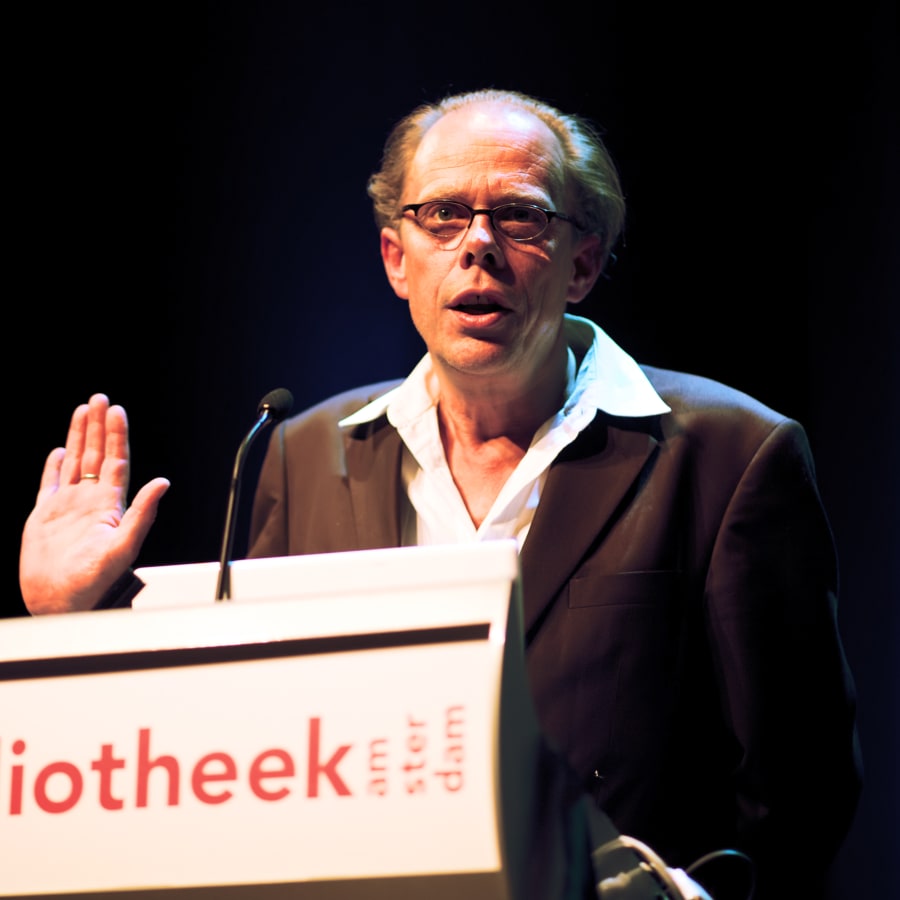
The poem is read at the service, in a chapel or at the graveside. According to The Low Countries, it is then sealed in an envelope, laid on the coffin and buried or cremated with the dead person. A copy goes on the foundation's website, where Amsterdam's poems are numbered. By 2023 the count had passed 282.
…return stories to people who somehow have lost theirs along the way.
— F. Starik, describing the lonely funeral to the BBC World Service, 2010
The poets are paid a modest fee, €350 per funeral in recent years. Since 2018 the Amsterdam coordinator, writer Joris van Casteren, has also written up many of the funerals for the newspaper de Volkskrant, without naming the dead.
Groningen came first
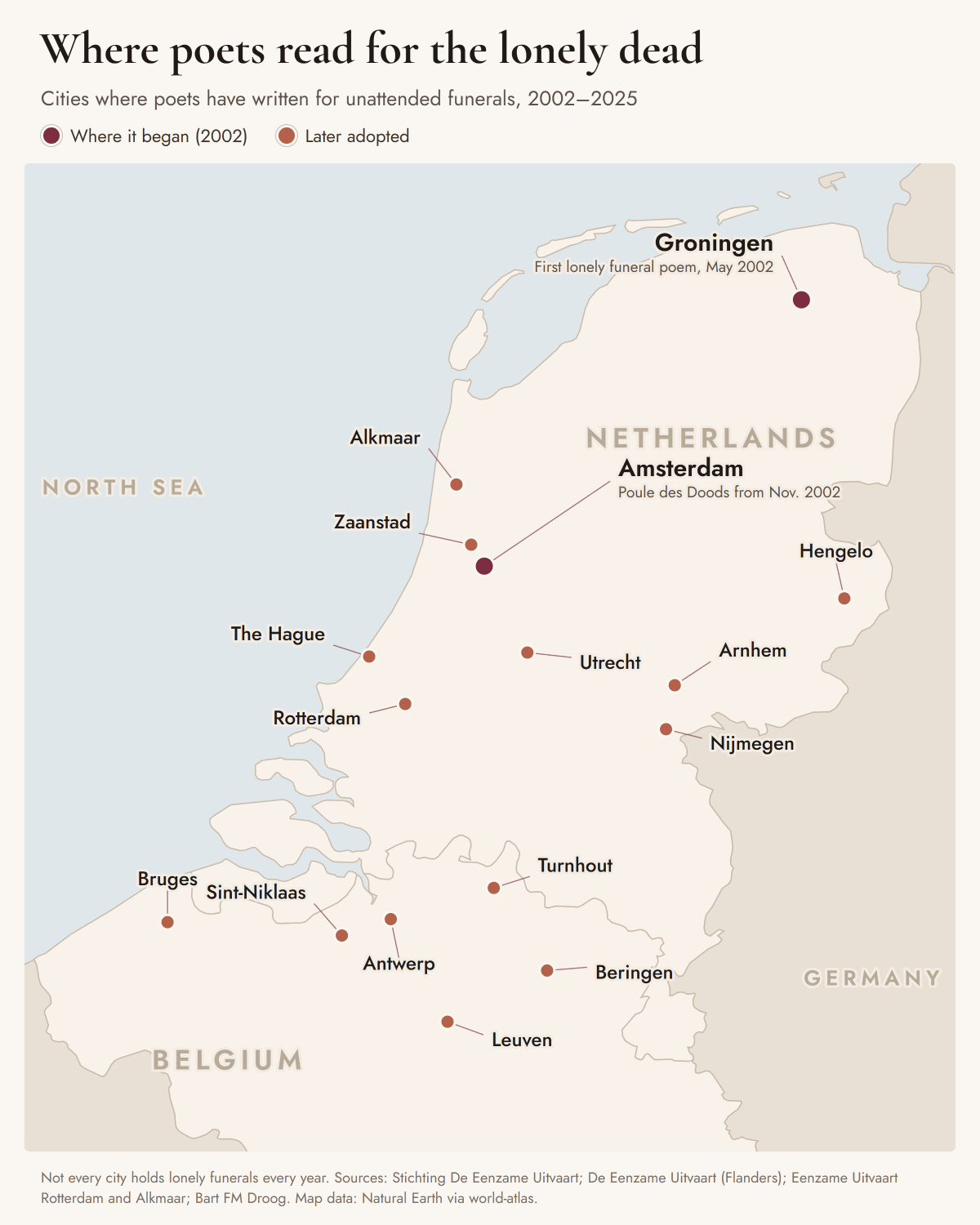
The idea belongs to Bart FM Droog, who became Groningen's city poet in January 2002 and decided that writing for the city's unattended dead was part of the job. Droog has said he conceived it in 2001. The first Groningen lonely funeral poem was read on 29 May 2002, for a man named John Mulder.
Later that year Starik asked Droog whether he could do the same in Amsterdam. He then had to persuade Fritz, who at first said no. Fritz had his own Groningen connection. According to a 2008 Radio Netherlands report, he had modelled Amsterdam's simple ceremonies, with flowers and music, on a Groningen practice, dating back to 1990, of giving these funerals some dignity. Once Fritz agreed, Amsterdam's first poem was read in November.
Amsterdam is where the idea became famous. Starik set up a foundation in 2006, published books of the poems and recruited poets in other cities. Droog has argued publicly that, over time, the project came to be presented as an Amsterdam invention. In 2021 he took a complaint to the Dutch press council over a radio interview in which Van Casteren described Starik as the founder. The council rejected it, finding no plainly incorrect statements; the broadcaster had argued that Van Casteren was talking about the Amsterdam branch. Both things are true: Groningen had it first, and Amsterdam built it into a movement.
From two cities to more than a dozen
Rotterdam set up its own foundation. Poets also took on lonely funerals in The Hague, Utrecht, Nijmegen, Zaanstad, Hengelo and Arnhem, and in Alkmaar, where the city poet began in 2009. The same year, the poet Maarten Inghels brought the project to Antwerp, and it has since spread across Flanders. A selection of the poems appeared in English in 2018 as The Lonely Funeral, translated by David Colmer.
How the lonely funeral spread
- Jan 2002Bart FM Droog becomes Groningen's city poet and resolves to write for the city's unattended dead.
- 29 May 2002First lonely funeral poem in Groningen, for John Mulder.
- 20 Nov 2002F. Starik reads at Amsterdam's first lonely funeral.
- 2006The Amsterdam initiative becomes a foundation, Stichting De Eenzame Uitvaart.
- 2009Maarten Inghels starts the project in Antwerp; Alkmaar's city poet begins writing for the lonely dead.
- 2015Leuven joins.
- 2018Starik dies in March; Joris van Casteren takes over in Amsterdam. The Lonely Funeral appears in English.
- 2023–2025Bruges, Beringen, Sint-Niklaas and Turnhout join in Flanders.
Fewer funerals, the same promise
The numbers have dropped lately. The foundation's annual report says there were seven lonely funerals in Amsterdam in 2023 and seven in 2024. Five each year were arranged with the city's funeral service and two were paid for by the foundation itself, including one with the city's drug-users' chaplaincy. The report says the decline was temporary, while the foundation and the city re-examined how they define a lonely death and how they work together. There were none in The Hague in those years.
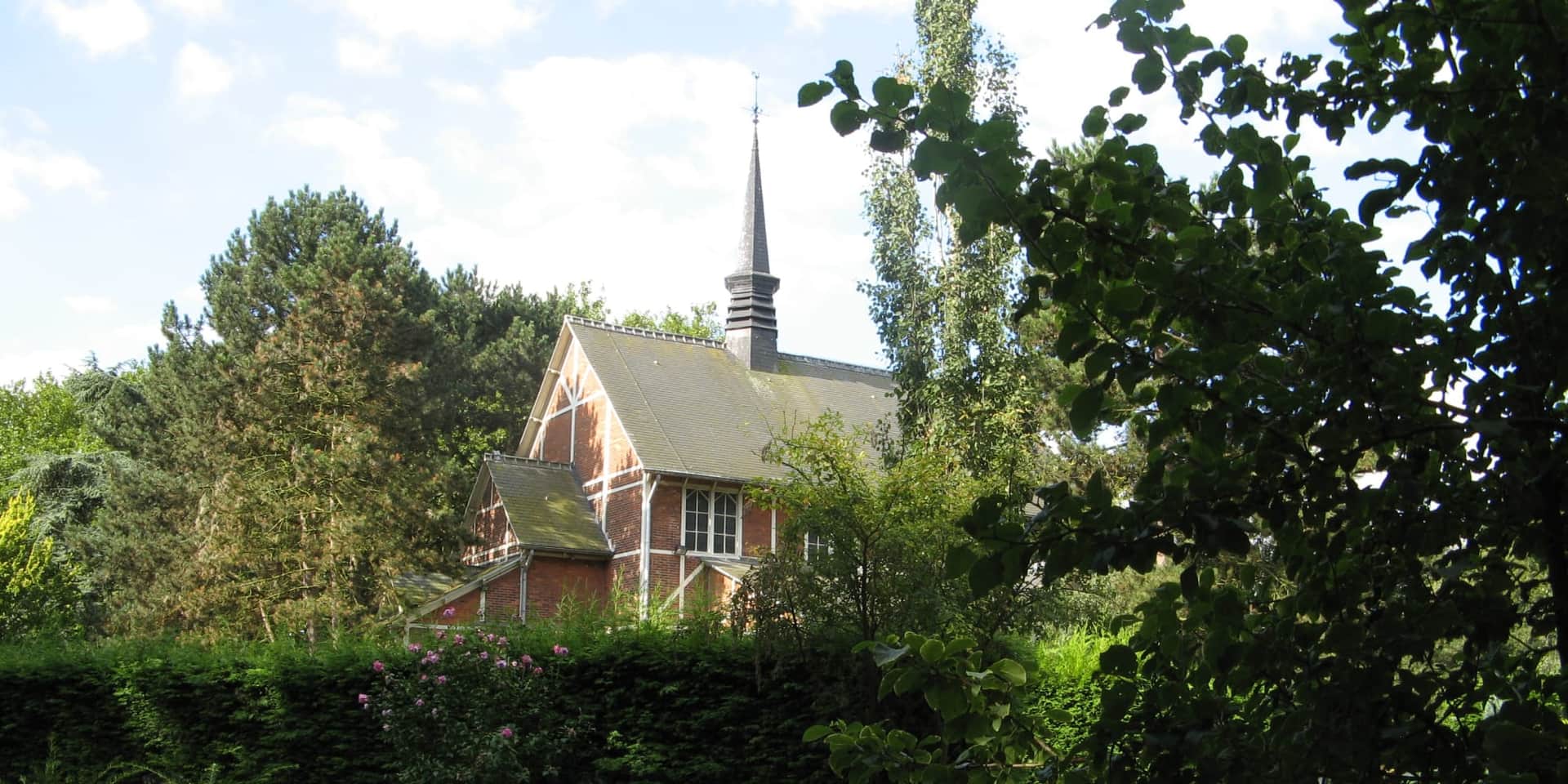
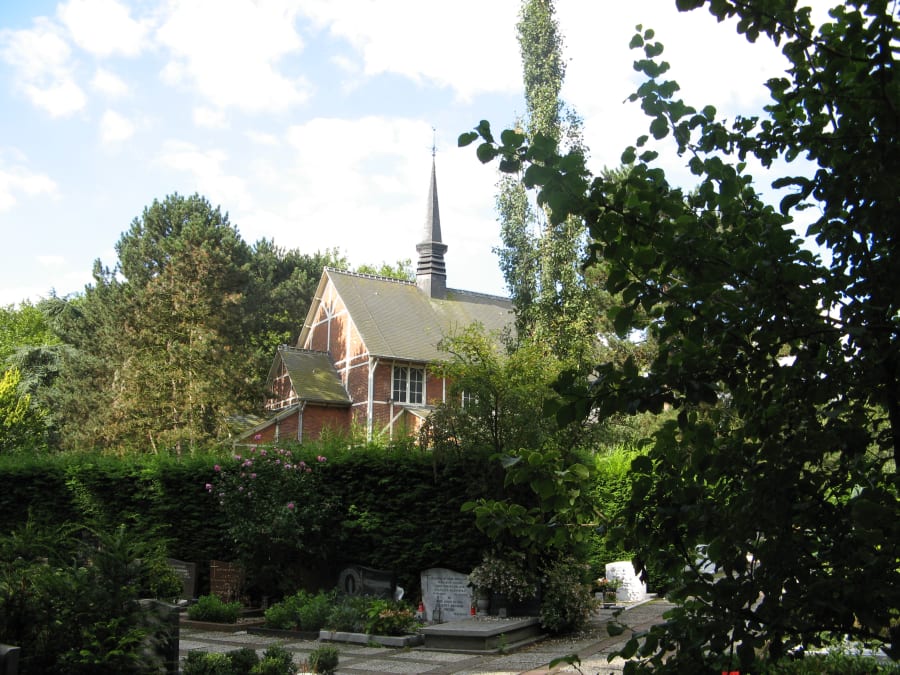
The foundation says it expects to return to full strength. It plans a new website with the complete archive of poems, and the artist Siba Sahabi is working with Van Casteren on a memorial to the lonely dead at St Barbara cemetery, where Starik himself is buried.
In 2023, Fritz awarded the foundation's annual prize for the best lonely funeral poem to Pieter Boskma, for poem No. 282. It was written for a woman known in the records only by an initial. The poem imagines someone, somewhere, who still remembers her and does not yet know she has died.
Related: What decades of research on family estrangement actually found · The real science of why crying helps
Sources
- Stichting De Eenzame Uitvaart, De Stichting / The Foundation and Jaarverslag 2023 en 2024 (annual report, PDF).
- Droog BFM. "The Theft of the Lonely Funeral", Droog Magazine (2021).
- Raad voor de Journalistiek, B.F.M. Droog / F. Smit en de hoofdredacteur van Brainwash (HUMAN), 2021/44.
- VNG (Association of Netherlands Municipalities), "Wat te doen als niemand zorg draagt voor de overledene?" on article 21 of the Wet op de lijkbezorging.
- BBC World Service, "The Lonely Funeral" (2010).
- Hudson A. "Poetic Justice for Amsterdam's Dead", The Washington Post (2006).
- The Low Countries, "Poems for Lonely Funerals" (2020).
- Radio Netherlands, "Lonely funeral: Burying Amsterdam's anonymous dead" (2008).
- Ro C. "The Dutch City Poets Who Memorialize the Lonely Dead", Ploughshares (2016).
- Tot Zover, "Poets of Service" exhibition (interviews with Maria Barnas and F. Starik).
- De Eenzame Uitvaart (Flanders), "Over het project"; Eenzame Uitvaart Rotterdam; Eenzame Uitvaart Alkmaar, "Geschiedenis".
- Images: St Barbara cemetery, Amsterdam, by Natalie Maynor, Wikimedia Commons, CC BY 2.0. F. Starik (2011) by Sebastiaan ter Burg, Wikimedia Commons, CC BY-SA 4.0. Map, The Verified Post.