What did the ancient Egyptians actually believe about women?
The viral version of the answer — that women were considered goddesses because they could create life — is the kind of claim that spreads fast because it sounds satisfying. It is also not quite what happened.
The real answer is more layered, and arguably more impressive. Egyptian religion placed enormous symbolic weight on goddesses associated with motherhood, magic, and balance. That symbolism did not turn ordinary women into deities. But it helped produce a society where women could own land, run businesses, take people to court, and in rare but real cases, rule the entire kingdom as pharaoh.
That is not mythology. That is documented legal history.
Setting the Record Straight — Were Egyptian Women Actually Worshipped as Goddesses?
The claim spreads easily because it sounds like exactly the kind of thing the ancient world should have believed and never did: that women, simply by virtue of being able to create life, were considered divine.
The real history is more precise, and more interesting, than that.
What Egyptians Actually Believed
In ancient Egyptian religion, a handful of major goddesses held immense significance — among them were Isis, Hathor, Maat, and Neith. Each of these powerful figures was linked to themes like creation, motherhood, magic, wisdom, and the cosmic order. They carved out a vital symbolic space, representing protection and balance in a society where kingship was predominantly male.
However, this symbolic power didn’t translate into the belief that every Egyptian woman was a goddess. Instead, historians suggest that Isis, in particular, came to symbolize balance and equality, influencing the actual social status of women in Egypt. This connection is often referred to as the "Gifts of Isis."
Why the Distinction Matters
This distinction goes beyond mere technicality. It highlights the gap between a delightful yet misleading meme and a truly significant piece of history. Egyptian women weren’t considered divine, but the concept of the divine feminine—represented by goddesses associated with creation and motherhood—translated into something that was quite rare for women in the ancient world: real legal personhood.
Numerous surviving documents reveal that Egyptian women were able to act on their own behalf in matters like property ownership, contracts, and court appearances. This legal personhood stood on its own, separate from religious symbolism, even though that symbolism often reinforced and mirrored their rights.
A Civilization Ahead of Its Time
In contrast to many women in the ancient world, Egyptian women were seen as more equal to men, enjoying a range of legal and economic rights, a unique social status in marriage and family life, and, on rare occasions, the chance to rise to the highest positions in society.
This blend of symbolic religious influence and genuine legal rights is what the viral claim is hinting at. However, it glosses over the complexities involved in that reality.
The Legal Reality — What Rights Egyptian Women Actually Had
If the religious symbolism is where the viral claim starts, the legal reality is where the real story gets interesting — because it is verifiable, specific, and genuinely unusual for the ancient world.
Property, Contracts, and Court
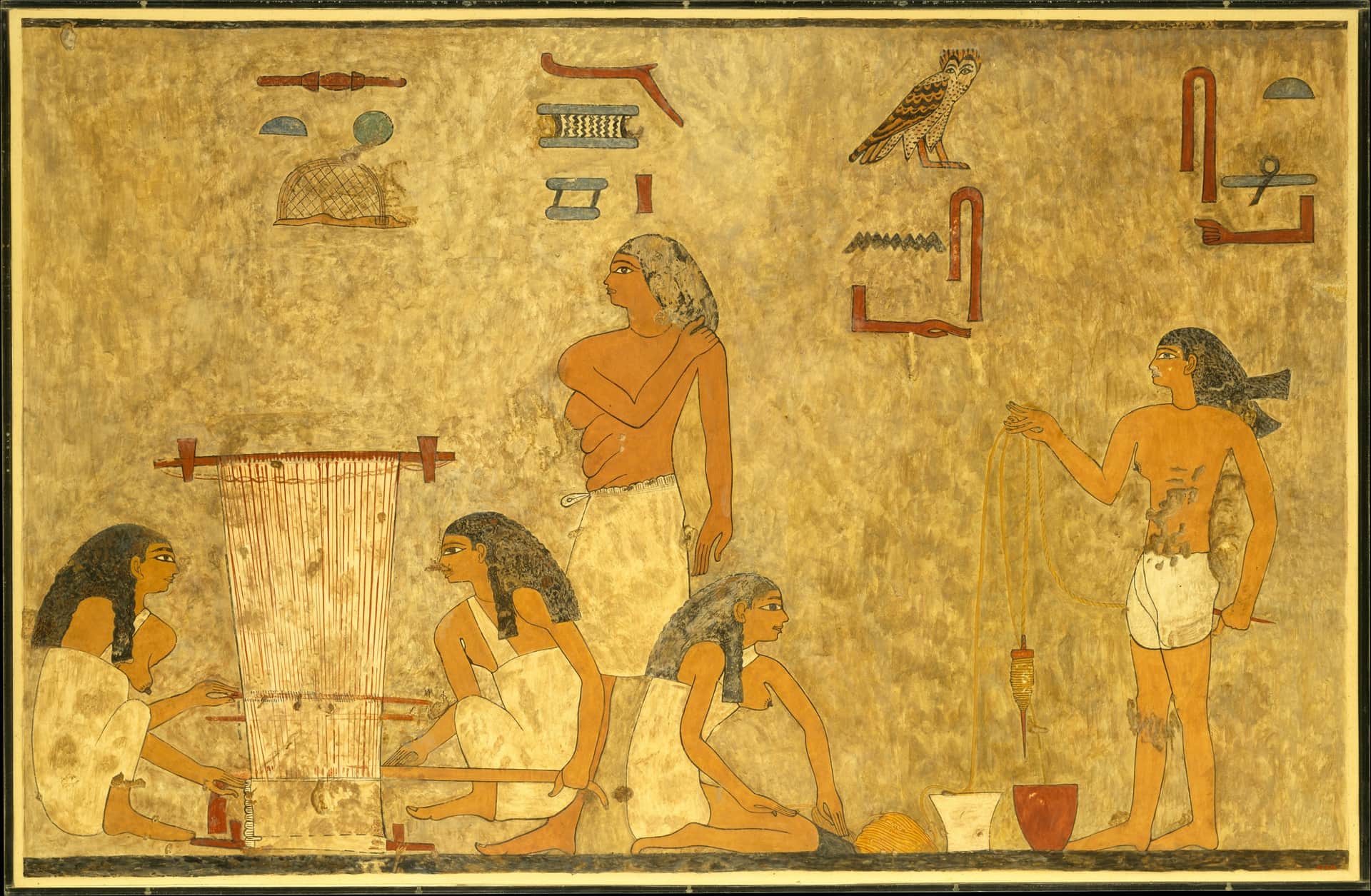
In ancient Egypt, women were seen as independent legal entities, a refreshing change compared to how many other ancient societies viewed them as mere property of their fathers or husbands. Even women who weren't part of the royal family had the ability to step into a courtroom, sign contracts, own land, and approach government officials, showcasing their real legal independence.
Women in ancient Egypt enjoyed the right to own property, enter contracts, and manage their finances without needing a male guardian — a recognition of their legal status and economic power that predates similar rights in many other cultures by thousands of years.
Marriage Without Erasure
In ancient Egypt, marriage was definitely the norm, but it’s important to note that women weren’t just seen as an extension of their husbands. A married woman in Egypt maintained her own legal identity—she had the right to own property, run her own business, and handle legal matters on her own. Her existence wasn’t just swallowed up by her husband’s identity.
This was a significant shift compared to many other civilizations of the time, where marriage often meant handing over legal identity and property rights from father to husband.
The Limits That Existed Alongside the Rights
It's important to recognize that Egyptian society wasn't exactly a beacon of gender equality by today's standards. Sure, ancient Egypt did grant women a variety of rights and privileges that were quite remarkable for their time, especially when compared to other cultures. However, these rights didn't quite match up to what men enjoyed, particularly in the realm of formal politics. The social landscape was still heavily influenced by factors like class, geography, and the specific historical context — just because something was legally recognized didn't mean it changed the societal expectations placed on women in their homes.
The "wisdom texts" from that era often reveal more about male fears and stereotypes regarding women than they do about the actual experiences of women themselves. This serves as a valuable reminder that the surviving writings from ancient Egypt were predominantly crafted by men for men, even in a society where women had some unique legal rights.
Hatshepsut — When a Woman Became Pharaoh
If there is a single figure who embodies how far Egyptian women could rise within this system, it is Hatshepsut — and her story is one of the best-documented examples of female power in the ancient world.
From Regent to Ruler
Hatshepsut ruled from about 1479 to 1458 BCE, making history as the first woman to take the reins of ancient Egypt with the full power of a pharaoh. She stepped into the role of queen at just 12 years old when she married her half-brother, Thutmose II. After his passing, she took on the role of regent for her young stepson, Thutmose III.
Initially, she played the part of a typical regent, but by the seventh year of his reign, she had firmly established herself as the leading co-ruler. Eventually, she was crowned king and adopted a complete royal titulary, effectively sharing the throne of Egypt with her stepson.
How She Legitimized Her Unprecedented Rule
Hatshepsut found a unique way to legitimize her reign by embracing male symbols of kingship. She made sure to be depicted as a male pharaoh in statues and paintings, complete with a beard and the strong physique typically reserved for male rulers. Interestingly, there are also other images from her time that show her in traditional female attire.
Her deep devotion to the god Amun played a significant role in her political strategy. She often claimed that her right to rule was backed by divine approval, which was crucial in solidifying her remarkable position as a female pharaoh.
Her Reign and Achievements
Hatshepsut holds the title of the longest-reigning female pharaoh in Egyptian history, ruling for over 20 years during the 15th century BCE. Her time on the throne was characterized by a period of peace, flourishing trade, and impressive architectural feats, with the temple at Deir el-Bahri standing out as her most notable achievement. This magnificent structure served as her funerary monument and was dedicated to the god Amun-Re, featuring chapels for other deities and royal ancestors.
One of her crowning achievements was commissioning a significant trading expedition to the land of Punt, which is thought to be in present-day Eritrea. This venture brought back a treasure trove of riches, including ivory, ebony, gold, leopard skins, and incense. Additionally, she led military campaigns into Syria and Nubia, often involving her stepson Thutmose III in these endeavors.
The Attempt to Erase Her
Hatshepsut stands out as one of the most fascinating and debated figures in ancient Egyptian history. This is largely due to the fact that, according to Egyptian customs, it was thought that no woman could wield the full authority of a pharaoh. After her passing, many of her monuments were defaced, a clear indication that someone—most likely her successor Thutmose III—was intent on erasing her from history altogether.
As a result of this deliberate erasure, Hatshepsut remained a mystery to scholars until the nineteenth century. It was then that modern archaeology began to uncover her story, helping to restore one of ancient Egypt's most remarkable rulers to her rightful place in the annals of history.
Goddesses, Priestesses, and the Religious Power of Women
Beyond legal rights and political power, religion offered Egyptian women a third sphere of genuine influence — one that the viral post's framing was reaching toward, even if imprecisely.
Isis, Hathor, and the Symbolic Power of the Feminine
Goddesses like Isis were seen as symbols of motherhood, magic, and royal power, highlighting the vital role women played in Egyptian spirituality. Isis, in particular, was celebrated as the mother of the gods, a guardian of women, and a representation of fertility, wisdom, and magic—her influence was a direct reflection of the status of women in ancient Egypt.
Other prominent goddesses, such as Hathor, Maat, and Neith, also held crucial protective and cosmic roles in Egyptian religion. They occupied powerful symbolic positions, even in a society where formal kingship was predominantly male.
Real Women in Religious Power
This symbolic power extended far beyond just mythology. A number of Egyptian women took on the role of priestesses, especially in the veneration of goddesses like Isis, Hathor, Neith, and Mut. Some of these women actively participated in rituals and were responsible for maintaining temples dedicated to specific deities, with the high priestess of Hathor standing out as a particularly esteemed and influential religious figure.
These roles were much more than mere ceremonial titles. Temple priestesses played a crucial part in managing religious institutions, leading rituals that were vital to Egyptian spiritual life, and wielded real authority within their communities.
Why This Combination Was Rare
What truly set ancient Egypt apart wasn’t just one aspect, but rather the unique blend of three key elements: deep religious symbolism connected to the feminine divine, real legal rights for everyday women, and the documented, albeit rare, opportunity for a woman to reach the highest levels of political power. Some scholars suggest that ancient Egyptian society was among the pioneers in granting significant rights and a measure of equality to women in politics, work, and religious spheres. While this assertion is often debated in its entirety, it highlights just how exceptional Egypt's approach to legal, religious, and political opportunities for women really was.
Why This History Still Matters Today
The viral claim about Egyptian women being worshipped as goddesses will keep circulating, because it captures something true even while getting the specifics wrong: ancient Egypt really was unusual in how it treated women, and that fact deserves to be more widely known in its accurate form.
A Useful Corrective, Not a Debunking
This isn’t just a tale of a popular historical claim being debunked. Women in ancient Egypt actually experienced a remarkable degree of independence, respect, and legal rights that were quite uncommon in the ancient world. Their impact reached far beyond the home, influencing religion, business, and politics. The true story is, in fact, even more fascinating than the original meme suggests—it's supported by surviving legal documents, temple records, and the well-documented reign of a woman who ruled Egypt for twenty years.
What Made Egypt Different
From everyday workers to powerful queens and priestesses, women in ancient Egypt played a crucial role in shaping their civilization, showcasing a sophisticated and balanced social structure. In this society, women were seen as vital contributors to social order, spiritual life, and political power.
While this acknowledgment didn’t completely eliminate inequality, nor did it create a society of total gender equality, Egypt's approach is notable when compared to other cultures where women lacked any independent legal identity. The Egyptian model stands out in history, not due to a single, dramatic belief about the divine, but rather through a consistent pattern evident in law, religion, and politics.
The Real Lesson Behind the Viral Post
The next time this claim pops up — and trust me, it will — it’s important to remember the more accurate version: Egyptians didn’t see everyday women as goddesses. Instead, they created a religious framework where the feminine divine had genuine symbolic power, along with a legal system that, quite impressively for its era, recognized women as individuals rather than mere property.