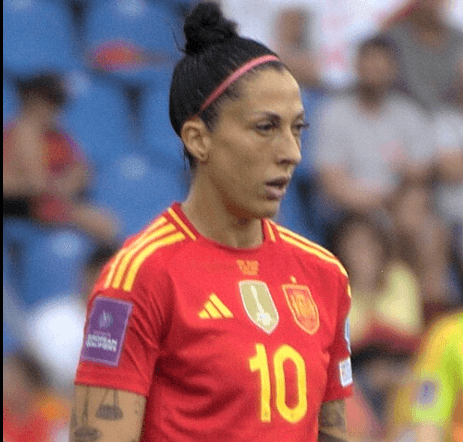
Dr. Carrie Rosario didn’t attend that meeting just to make a statement. Tony Collins took care of that for her.
On April 19, 2021, Dr. Rosario, an associate professor at UNC-Greensboro with a doctorate in public health, joined a virtual Zoning Commission meeting as a concerned resident regarding a nearby development project. Throughout the meeting, commissioner Tony Collins repeatedly ignored her request to be addressed by her doctoral title, even after she corrected him four times. Yet, she maintained her composure, speaking directly and clearly.
"I wouldn’t call you Tony," she said firmly. "So please, sir, call me as I would like to be called."
He brushed it off, claiming it didn’t matter. The very next day, the City Council removed him from his position. Dr. Rosario later emphasized that the real issue wasn’t about a title; it was about who gets recognized as credible and who holds the power to make that decision.
Related: the Tokyo medical school that rigged exams to keep women out.
It’s Dr. Rosario, thank you, sir.
dr. carrie rosario, zoning commission meeting, 2021
Who Is Dr. Carrie Rosario?
Before the viral video, before the City Council vote, and before the national headlines — there is a person whose name was the whole point.
A Doctorate Earned, Not Given
Dr. Carrie Rosario serves as an associate professor at the University of North Carolina-Greensboro, where she has earned her doctorate in public health. At the time of the incident, she was 38 years old—a well-respected academic who had dedicated years to achieving a title that holds significant importance in any academic environment.
Why She Was at the Meeting
Dr. Rosario wasn't at the Greensboro Zoning Commission meeting on April 19, 2021, in her professional role. Instead, she attended as a concerned resident, worried about a development project planned close to her home. In the simplest terms, she was embodying the spirit of civic engagement: being present, introducing herself, and voicing her concerns.
A Young Black Woman in a Room That Did Not Immediately See Her Credentials
Dr. Rosario has candidly shared her unique experiences as a young Black woman holding a doctoral degree, both in professional and civic environments. In an interview with The Lily, she mentioned that because she appears younger than her actual age, many people often overlook her insights and expertise. This tendency to dismiss someone based on their looks rather than their qualifications is crucial to understanding the context of the conversation that followed.
Her Own Words on What This Represents
Dr. Rosario expressed, "I wish I could say that people don’t judge based on appearances, but that hasn’t been my reality. Black women, no matter their education level, are often dismissed, overlooked, or unfairly judged in our society." She emphasized that the discussion extends beyond her own situation: "No matter what their experiences or academic backgrounds are, it’s not for us to decide who has value."
The Exchange — What Actually Happened at the Meeting
The viral clip that has been circulating is a compressed version of a longer exchange. Here is the full sequence, in the order it occurred.
A Four-Hour Meeting With One Flashpoint
The incident occurred near the conclusion of a lengthy four-hour Zoning Commission meeting on April 19, 2021, in Greensboro, North Carolina. This meeting was conducted virtually via Zoom, which is important to note—participants' names were shown as text on the screen, and Collins specifically pointed to that display to explain why he wouldn’t use her title.
The First Correction
When Dr. Rosario expressed her worries about the development project close to her home, Collins brushed her off, saying her remarks were straying from the topic and mistakenly called her "Mrs. Rosario." Without missing a beat, she corrected him, saying, "It's Dr. Rosario, thank you, sir."
The Second Refusal
Collins brushed off the correction and went on, "If Mrs. Rosario has something..." She interrupted him again, saying, "It's Dr. Rosario." He responded, "Oh, my bad. Your screen says 'Carrie Rosario'." She clarified, "I'm stating my name. It's Dr. Carrie Rosario."
"It Doesn't Really Matter"
When Dr. Rosario said, "I wouldn't call you Tony, so please, sir, call me as I would like to be called," Collins shrugged it off, replying, "It doesn't really matter." Dr. Rosario then insisted, "It matters to me. Out of respect, I’d appreciate it if you could use the name I’m asking for. It reflects poorly on you as a commissioner to be disrespectful."
Why the Screen Name Argument Failed
Collins's explanation—that her screen displayed "Carrie Rosario" instead of "Dr. Carrie Rosario"—didn't fly with the council or the public. The reason was pretty clear: another commissioner had made the same slip earlier in the meeting, quickly apologized when it was pointed out, and then used the correct title for the rest of the discussion. Dr. Rosario pointed out that since Collins had seen that earlier correction and apology, his later refusal to acknowledge her title felt less like a simple mistake and more like a conscious decision.
The Removal — What the City Council Did and Why
The exchange on April 19 became the subject of a City Council meeting the following day — and the council did not take long to reach a decision.
The Video Played at the Council Meeting
During Tuesday's City Council meeting, a clip of the exchange was shown, allowing council members who missed the Zoning Commission meeting to see exactly what happened. Instead of just hearing about it from others, they got to watch the interaction firsthand before making their decision.
Councilwoman Hightower Leads the Charge
City Councilwoman Sharon Hightower took the lead in calling for Collins's removal, labeling the incident as "a very disrespectful interaction between a key commissioner and a member of the public. That should never happen." In a conversation with McClatchy News, Hightower expressed, "As a Black woman, I cannot stand by and watch another Black woman be treated this way." She also pointed out to her fellow council members that Collins was exercising his "white privilege" by repeatedly ignoring Dr. Rosario's clear request.
A Unanimous Vote
The Greensboro City Council made a unanimous decision to remove Tony Collins from the Zoning Commission. The vote was decisive and without any opposition—every council member in attendance felt that the incident justified his removal from a volunteer role that demands respectful interaction with the community.
The Mayor's Statement
Greensboro Mayor Nancy Vaughn emphasized, "We need to hold our boards and commissions to a higher standard. I understand these roles are volunteer-based, but they carry significant importance." Her perspective clearly challenges the notion that being unpaid should lessen the expectations for conduct, reinforcing that accountability remains crucial regardless of compensation.
Collins's Apology — and What Dr. Rosario Said About It
The story did not end with the council vote. Collins reached out to Dr. Rosario after his removal — and what followed adds a layer to the story that the viral clip alone does not capture.
A Letter to the Council
On Thursday, April 22 — just two days after his removal — Tony Collins reached out to every member of the Greensboro City Council with a heartfelt email of apology. In his message, he expressed, "I completely agree that my interaction with Dr. Rosario was inappropriate, and I accept your decision to remove me from the commission. I’ve already called Dr. Rosario and left a message to apologize for my behavior. I also want to extend my public apology to Dr. Rosario, the Zoning Commission, and the City Council. There’s really no excuse for how I acted, and I won’t try to make one. The citizens deserve better from me."
Dr. Rosario Accepted the Apology
Collins did get in touch with Dr. Rosario directly, and she confirmed that she accepted his apology. This is a detail that often gets overlooked in the viral retellings of the story, which usually wrap up with the removal instead of highlighting the human resolution that came afterward. Dr. Rosario's readiness to accept the apology—while still addressing the broader issues that the exchange represented—shows the same grace she displayed during the meeting itself.
What She Said It Was Really About
Dr. Rosario made it clear that the incident wasn't really about one man's stubbornness over a title. "At first, I tried to give him the benefit of the doubt and corrected him, but as our conversation went on, it became obvious he was determined to show me disrespect," she explained. She highlighted a larger issue: "Black women, no matter how educated, are often dismissed, overlooked, or judged in our society." By framing her experience this way, she emphasized that this wasn't just a one-off event but part of a troubling pattern — one that her situation brought to light in a way that many similar encounters often go unnoticed.
Why the Apology Matters Without Erasing the Issue
Collins's apology and Dr. Rosario's acceptance certainly don't fix the deeper issues she highlighted. However, they do bring a bit more depth to a narrative that often gets boiled down to a simple moment of accountability. Dr. Rosario herself pointed out a crucial aspect: "Whatever their experience is or academic training, it's not up to us who holds value." This situation isn't just about one individual; it's about a recurring pattern that one man's actions have brought to the forefront.
Why This Story Keeps Resurfacing
This incident happened in April 2021. It continues to go viral in 2026. That gap is itself worth examining.
A Story That Compresses a Large Issue Into One Moment
The reason this exchange resonates so widely and frequently is rooted in its structure: it takes a pattern that’s often scattered, easy to deny, and tough to document — the ongoing dismissal of Black women's qualifications and expertise — and condenses it into a single, two-minute recorded interaction where every aspect of that pattern is laid bare in real time. The person being dismissed is obviously qualified. The dismissal is unmistakably intentional. The correction is clearly articulated. And the response — "It doesn't really matter" — is something that anyone who has faced this pattern can recognize instantly.
The Specific Intersection of Race, Gender, and Title
Research has consistently shown that women, particularly Black women, often don’t receive the same recognition by their professional titles as their male colleagues do in both academic and professional environments. A study from 2017 published in the Journal of Women's Health revealed that female physicians were much less likely to be introduced by their professional titles compared to their male counterparts at similar events. Dr. Rosario's experience wasn’t just a one-off incident; it’s part of a broader, well-documented trend.
What the Greensboro Council's Response Demonstrated
The council's quick and unanimous decision to remove Collins was quite a departure from the norm. Usually, when it comes to microaggressions and dismissals like this, institutions tend to take their time, following lengthy procedures that often lead to inconclusive outcomes. However, the swift and united response from Greensboro has kept this story alive, showcasing a powerful example of accountability in action—demonstrating that institutions can choose to take decisive action instead of dragging their feet with endless investigations.
What Dr. Rosario Wanted People to Take Away
Dr. Rosario made it clear that her story was about more than just her own experience. She stated, "This is deeper than just a title; it's a conversation where everyone deserves respect, whether you're a doctor or a janitor." This perspective—emphasizing that basic respect should extend beyond those with credentials to everyone—is often the part of her message that gets overlooked, yet it’s the most significant. Her point wasn’t about demanding special treatment for those with doctoral titles; rather, it was about the fundamental right of every individual to be addressed as they wish.
Sources
https://abc7.com/post/carrie-rosario-greensboro-tony-collins-dr/10554113/
https://www.yahoo.com/news/official-fired-refusing-call-black-062821223.html